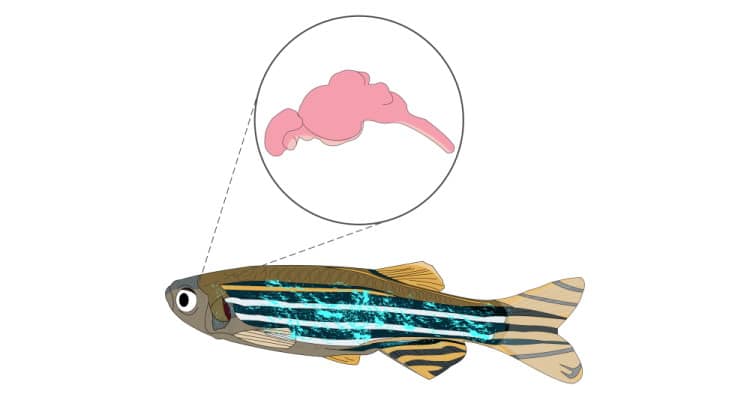
In the watery world beneath the surface, fish navigate a complex environment filled with currents, obstacles, predators, and prey. While humans rely heavily on sight and sound, many fish have evolved a remarkable sensory system that allows them to detect subtle vibrations and movements in the water. This system, known as the lateral line, acts as a biological radar, enabling fish to perceive their surroundings in ways that go far beyond human capabilities. Understanding how the lateral line works reveals much about fish behavior, ecology, and evolution, offering a fascinating glimpse into the sensory adaptations of aquatic life.
Scientific Classification
The lateral line system is a sensory organ found in most species of fish and some amphibians, belonging primarily to the class Actinopterygii (ray-finned fishes) and Chondrichthyes (cartilaginous fishes such as sharks and rays). While the lateral line itself is not a species or organism, it is a defining feature shared across a broad range of aquatic vertebrates. These species range from tiny minnows measuring just a few centimeters to massive fish such as the whale shark (Rhincodon typus), which can grow up to 12 meters in length. The lateral line system is part of the mechanosensory family of sensory organs, which also includes inner ear structures responsible for balance and hearing.
Neurologically, the lateral line is linked to specialized sensory cells called neuromasts, which are the basic functional units of the system. Neuromasts contain hair cells similar to those found in the human inner ear, designed to detect mechanical changes in the surrounding water. These cells convert physical stimuli into electrical signals that are transmitted to the fish’s brain, allowing it to interpret movement and pressure changes.

Geographic Range & Distribution
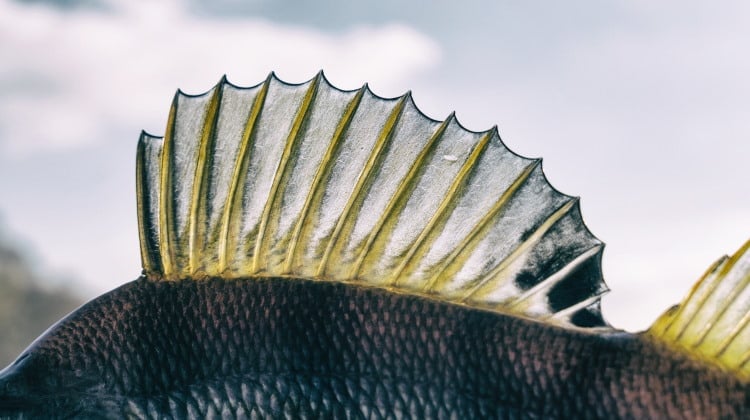
The lateral line system is virtually ubiquitous among fish species worldwide, from the cold Arctic and Antarctic waters to tropical coral reefs and freshwater rivers and lakes. This adaptability highlights the fundamental importance of the lateral line for aquatic survival. For example, the common European perch (Perca fluviatilis), found across Europe and northern Asia in freshwater lakes and rivers, uses its lateral line to detect prey and navigate murky waters. Similarly, deep-sea species such as the anglerfish (Lophiiformes) rely on this sensory system to sense movements in the pitch-black depths where light does not penetrate.
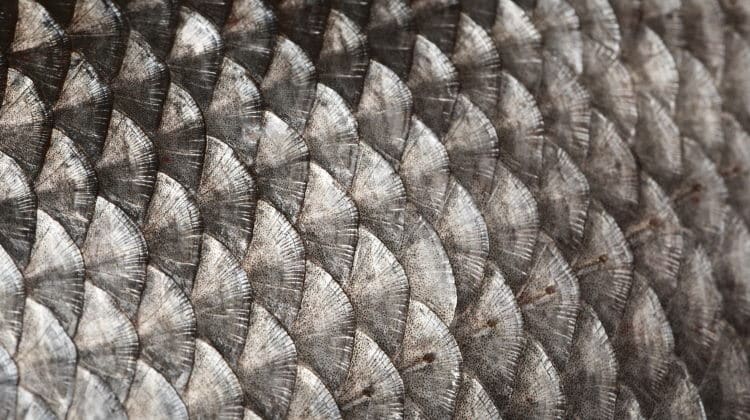
Freshwater species such as the crucian carp (Carassius carassius), native to Europe and Asia, possess well-developed lateral lines that help them avoid predators and locate food in turbid water. Marine species like the Atlantic cod (Gadus morhua), widely distributed in the North Atlantic Ocean, use their lateral line to coordinate schooling behavior and detect the presence of other fish or obstacles during migration. The lateral line is therefore a universal feature across diverse aquatic habitats, enabling fish to thrive in environments where visibility and sound transmission can be limited or distorted.
Physical Description
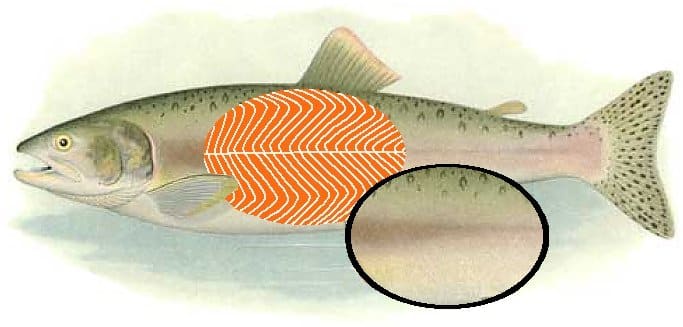
The lateral line appears as a visible series of tiny pores or canal openings running along the sides of a fish’s body, usually extending from just behind the head to the base of the tail. These pores lead into canals beneath the skin that house the neuromasts, the specialized sensory organs of the system. Some neuromasts are located superficially on the skin’s surface, while others reside deeper within the canals. The canals are filled with a fluid similar to lymph, which transmits water movements and pressure changes to the neuromasts.
Each neuromast consists of clusters of hair cells topped with a gelatinous structure called the cupula. When water moves past the fish, it causes the cupula to bend, stimulating the hair cells. This bending alters the electrical impulses sent to the brain, indicating the direction and intensity of the water movement. The lateral line’s sensitivity can detect water displacements as small as a few micrometers, allowing fish to perceive the approach of predators, the movement of prey, or the presence of nearby obstacles.
In many species, the lateral line system extends onto the head, sometimes with multiple canals forming intricate patterns around the eyes, snout, and jaw. For instance, in the channel catfish (Ictalurus punctatus), these canals enhance spatial awareness by detecting subtle changes in water flow caused by objects or other animals. The size and complexity of the lateral line can vary widely depending on the species and its habitat, with active swimmers and bottom-dwellers often exhibiting distinctive lateral line patterns adapted to their ecological niche.
Behavior & Diet
The lateral line greatly influences a fish’s behavior and feeding strategies by providing detailed information about the surrounding environment. Fish use this sensory system to detect prey movements, avoid predators, coordinate schooling behavior, and navigate through complex habitats. For example, predatory fish such as the northern pike (Esox lucius), which can grow up to 150 cm in length and weigh over 25 kg, rely heavily on their lateral line to strike accurately at prey by sensing the vibrations caused by struggling fish.
Schooling fish, including species like sardines (Sardina pilchardus), use the lateral line to maintain precise distances from their neighbors, synchronizing their movements to evade predators and optimize swimming efficiency. This sensory input helps them detect sudden changes in the water flow caused by the movement of other fish, allowing rapid, coordinated responses.
In terms of diet, species that feed on small invertebrates or zooplankton, such as the freshwater tetras (Characidae family), use the lateral line to detect the faint vibrations caused by tiny prey moving in the water column. Bottom-feeders like catfish (Siluriformes) use their lateral line to sense the movement of benthic invertebrates hidden within sediment. The lateral line thus plays a critical role in detecting food sources and enhancing the efficiency of hunting or foraging in diverse aquatic environments.
Breeding & Reproduction
While the lateral line’s primary function is sensory, it also plays an indirect role in fish reproduction. During mating seasons, many fish species use water movements and vibrations as communication signals to attract mates or establish territories. The lateral line enables fish to detect these subtle signals even in turbid or dark waters where visual cues are limited. According to Bug Guide, this species is well documented.
For example, male plainfin midshipman fish (Porichthys notatus) produce humming sounds and associated water vibrations to attract females. Females use their lateral line system to detect these signals and locate potential mates. Similarly, some cichlid species (Cichlidae) engage in complex courtship behaviors involving body movements that generate water disturbances sensed through the lateral line. According to iNaturalist, this species is well documented.
During spawning, the lateral line can also help fish maintain proximity to spawning sites or partners by detecting the movements of conspecifics (members of the same species). This is especially important in species that spawn in groups or schools, where synchronization enhances reproductive success. In species that guard their eggs or young, such as the convict cichlid (Amatitlania nigrofasciata), the lateral line assists parents in detecting threats or disturbances near nests, contributing to the survival of offspring.
Conservation Status
The lateral line system itself is not subject to conservation status, as it is an anatomical feature rather than a species. However, the health and survival of fish species that rely on this sensory system are increasingly threatened by environmental changes and human activities. Many fish populations worldwide face pressures from habitat destruction, pollution, overfishing, and climate change, all of which can indirectly impact the effectiveness of the lateral line by altering water quality and conditions.
For instance, increased sedimentation and turbidity caused by deforestation and development can impair the lateral line’s ability to detect water movements, reducing fish’s ability to find food or evade predators. Chemical pollutants, including heavy metals and pesticides, may damage sensory hair cells within the lateral line, leading to sensory deficits. Additionally, noise pollution from boat engines and underwater construction can interfere with sensory cues that fish rely on for communication and navigation.
Conservation efforts aimed at protecting aquatic habitats, regulating fishing, and reducing pollution are essential to preserve the ecological integrity of fish populations and their sensory adaptations. Species such as the Atlantic cod (Gadus morhua), currently listed as Vulnerable by the IUCN, serve as indicators of ecosystem health where the lateral line system remains a critical survival tool. Maintaining clean, stable aquatic environments ensures that fish can continue to use their lateral line effectively in an ever-changing world.
Interesting Facts
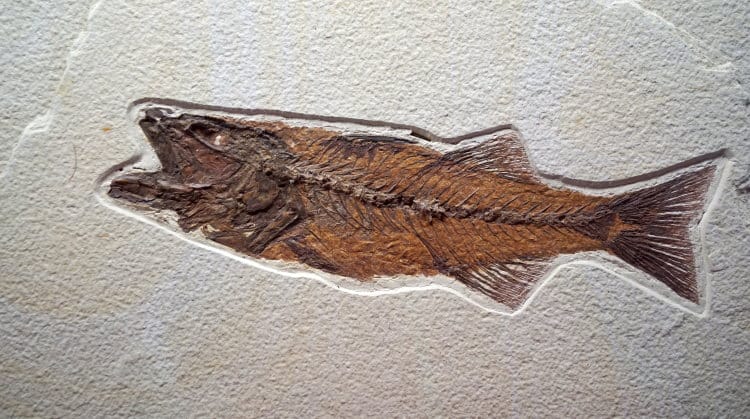
The lateral line system is an ancient evolutionary adaptation, dating back more than 400 million years to the earliest jawed fishes. This longevity highlights its fundamental role in aquatic life across geological eras. Unlike human senses, which rely heavily on chemical and electromagnetic signals, the lateral line is a mechanical sense, detecting physical forces in the environment.
Interestingly, some species have evolved highly specialized lateral line systems. The blind cavefish (Astyanyx mexicanus) has lost its eyesight but compensates with an enhanced lateral line, allowing it to navigate and find food in total darkness. In contrast, sharks have a lateral line system combined with electroreceptors called ampullae of Lorenzini, giving them a dual sensory advantage for hunting.
Research into the lateral line has also inspired technological innovations. Scientists study the fish’s ability to detect water flows to design underwater robots and sensors that mimic this biological system, improving navigation and object detection in aquatic environments.
Finally, while the lateral line is primarily associated with fish, some amphibians, such as salamanders and newts, retain a lateral line system during their aquatic larval stages, highlighting its importance across different life forms and developmental stages.
In conclusion, the lateral line is a remarkable sensory system that grants fish an extraordinary ability to perceive their underwater world. By detecting water movements and vibrations, it enables fish to hunt effectively, avoid danger, communicate, and navigate complex environments. This biological innovation not only underscores the complexity of aquatic life but also reminds us of the incredible adaptations that have evolved to meet the challenges of life beneath the waves.