
Forensic entomology is a fascinating and increasingly vital discipline within criminal investigations, utilizing the detailed study of insects and their life cycles to provide critical information about crimes, most notably those involving human death. By examining the types and developmental stages of insects found on corpses, forensic entomologists can estimate the post-mortem interval (PMI)—the time elapsed since death—which can be pivotal in solving cases. While forensic entomology is often associated with homicide investigations, its applications extend to other areas such as verifying timelines in wrongful dismissal claims and even tracking illegal drug production. This field combines biology, ecology, and criminal science, offering a unique window into the natural processes that unfold on deceased bodies.
Scientific Classification
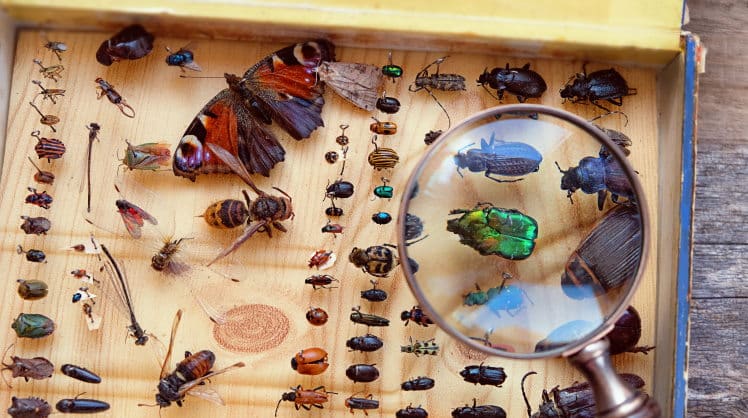
Forensic entomology primarily involves insects within the orders Diptera (true flies) and Coleoptera (beetles), both of which include species that are highly attracted to decomposing organic matter. The most commonly studied flies are from the family Calliphoridae, known as blowflies, which are often the first insects to arrive at a corpse. Species like Calliphora vicina and Lucilia sericata play crucial roles in forensic investigations due to their predictable colonization patterns. Beetles from the family Silphidae, or carrion beetles, such as Nicrophorus vespilloides, arrive later in the decomposition process and offer complementary information about the body’s timeline.
Other arthropods involved include ants (Formicidae), mites (Acari), and various parasitic wasps, all of which contribute to a complex ecological succession on remains. The scientific study of these species within forensic contexts requires taxonomic expertise to accurately identify specimens, as each species has distinct life cycles and environmental preferences that impact the PMI estimation.
Geographic Range & Distribution
The species used in forensic entomology vary widely depending on geographic location and climate, making regional knowledge essential for accurate analysis. Blowflies such as Calliphora vicina are widespread across temperate regions of North America, Europe, and Asia, thriving in cooler climates with average wingspans around 12 to 14 millimeters. Conversely, Lucilia sericata, the common green bottle fly, is prevalent in warmer temperate and subtropical areas, including much of the United States and southern Europe, with adults measuring approximately 10 to 14 millimeters in length.
Beetle species like Nicrophorus vespilloides have a Holarctic distribution, found throughout Europe, Asia, and North America, often in woodland habitats where they aid in carrion decomposition. Tropical regions, such as parts of Africa and Southeast Asia, host different blowfly species, including members of the genus Chrysomya, which have adapted to warmer, more humid environments. Since insect succession patterns and development rates are influenced by local climate and habitat, forensic entomologists must calibrate their analyses using region-specific data.
Physical Description
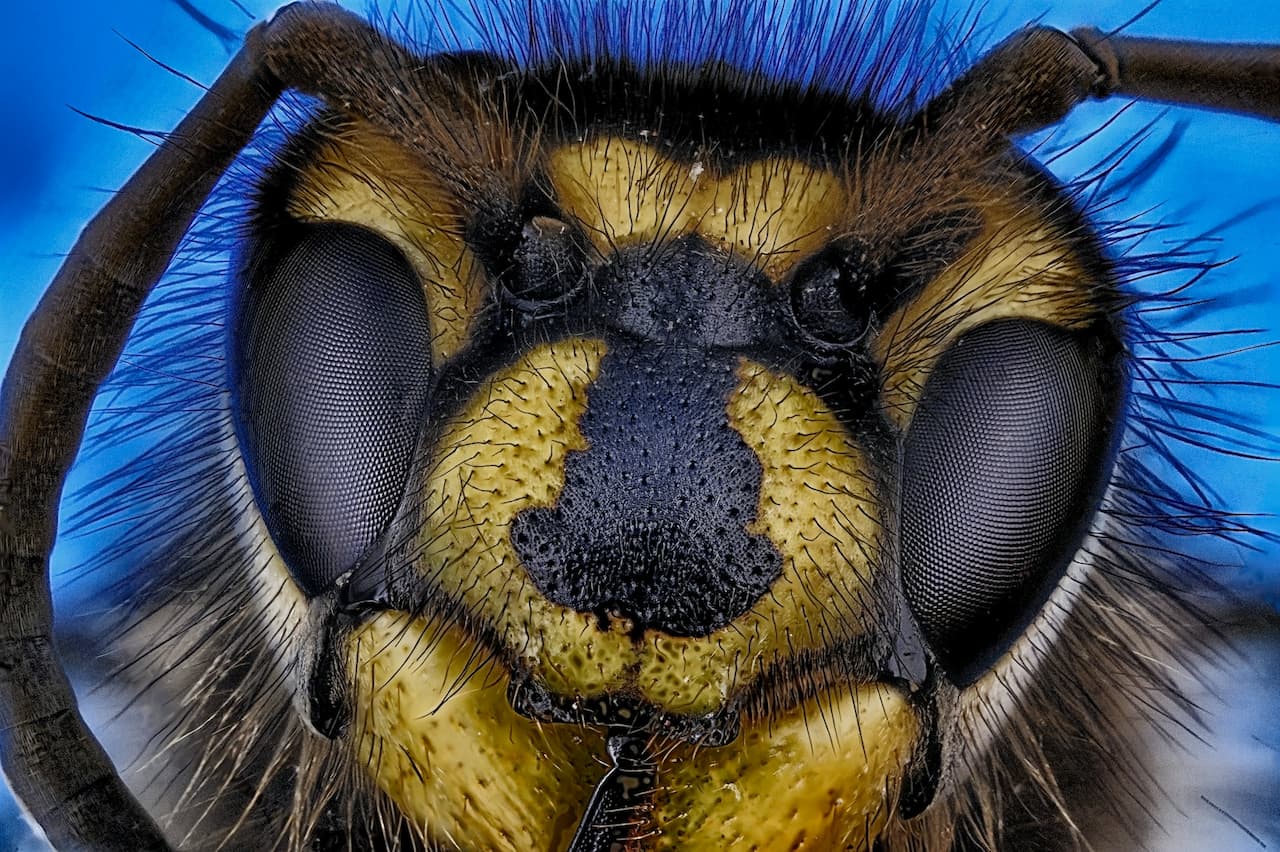
The primary insects involved in forensic entomology exhibit diverse physical characteristics tailored to their ecological roles. Blowflies (Calliphoridae) are typically metallic in appearance, with iridescent blue, green, or bronze bodies and large red compound eyes. Adult blowflies range from 6 to 14 millimeters in length, with wingspans averaging 12 to 15 millimeters, enabling rapid flight to locate carrion quickly. Their antennae are short and equipped with sensory organs that detect the chemical cues emitted by decomposing flesh.
Carrion beetles, such as Nicrophorus vespilloides, are robust and characterized by black and orange or red markings on their elytra (hardened forewings), measuring around 12 to 25 millimeters long. These beetles have strong mandibles for feeding on decomposing tissue and are known for their distinctive behavior of burying small carcasses to rear their young. Larval stages of blowflies, commonly called maggots, are legless and creamy white, growing up to 20 millimeters before pupation. Their segmented bodies and mouth hooks are adapted for feeding on soft tissue, and their size and developmental stage provide crucial clues about the PMI.
Behavior & Diet
In forensic entomology, understanding insect behavior is key to interpreting the timeline of decomposition. Blowflies are typically the first insects to arrive at a corpse, often within minutes of death. They are attracted by volatile compounds released during the early stages of decomposition, such as putrescine and cadaverine. Adult blowflies lay eggs primarily in natural orifices and wounds, where their larvae have direct access to nutrient-rich tissue.
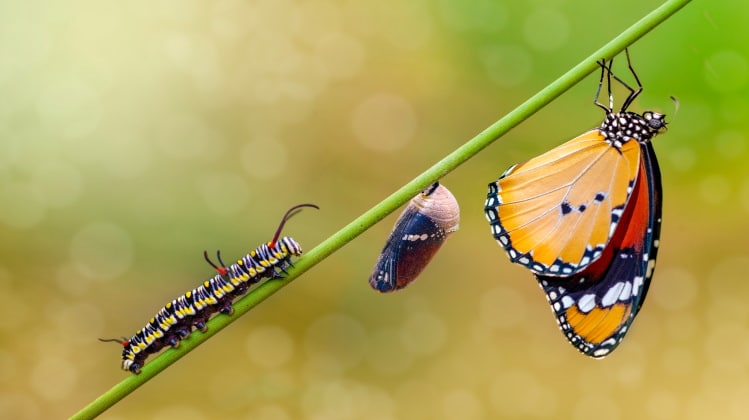
Blowfly larvae undergo several developmental stages called instars, feeding voraciously on decaying flesh. Their growth rate is temperature-dependent, with warmer conditions accelerating development. This predictable progression allows forensic entomologists to estimate the PMI by measuring larval size and stage. After completing the larval stages, maggots pupate in nearby soil, where they undergo metamorphosis into adult flies, completing the cycle in as little as 10 to 14 days under optimal conditions.
Carrion beetles arrive later in the decomposition process, feeding on both decaying tissue and fly larvae, influencing the succession dynamics on the corpse. Ants and other predatory insects may also be present, preying on larvae and further complicating the ecological interactions. Environmental factors such as humidity, temperature, and exposure to sunlight profoundly affect insect activity and decomposition rates, making forensic entomology a complex but precise science when conducted with careful environmental monitoring. According to IUCN Red List, this species is well documented.
Breeding & Reproduction
The reproductive behavior of forensic insects, especially blowflies, is integral to their forensic utility. Female blowflies seek out freshly deceased animals or humans to deposit their eggs, often laying clusters of 100 to 200 eggs at a time. These eggs hatch within 8 to 24 hours, depending on temperature, marking the start of larval development. The larvae pass through three instar stages, each lasting approximately one to two days, during which they increase in size significantly—from a few millimeters at first instar to nearly 20 millimeters by the third. According to iNaturalist, this species is well documented.
After completing larval growth, the maggots leave the body to pupate in the surrounding environment, entering a dormant stage before emerging as adults. The entire life cycle from egg to adult can take as little as 10 days under warm conditions. Beetles like Nicrophorus vespilloides exhibit more complex breeding behaviors, including parental care. These beetles bury small carcasses underground and lay eggs nearby, with adults guarding and feeding larvae, a rare trait among insects. Understanding these reproductive strategies helps forensic experts interpret the timeline and environmental conditions of a crime scene.
Conservation Status
Most insects involved in forensic entomology, such as blowflies and carrion beetles, are abundant and widespread, often classified as species of Least Concern by the International Union for Conservation of Nature (IUCN). For example, Lucilia sericata and Calliphora vicina are common in many habitats and thrive in human-altered environments. Their populations are stable, partly because their life cycles depend on scavenging dead organic matter, which is continually available in nature.
However, some carrion beetles face habitat loss due to deforestation and urban development, which could potentially impact their populations locally. Conservation efforts aimed at preserving woodland habitats indirectly support the biodiversity of decomposer insects. While forensic entomology does not currently raise conservation concerns, ongoing monitoring of insect populations is essential to maintain the species diversity critical for accurate forensic analyses worldwide.
Interesting Facts
The earliest recorded use of forensic entomology dates back to 1235 AD in China, where the presence of blowflies helped identify a murderer by tracing the flies back to a tool used in the crime. This ancient case demonstrates the long-standing human awareness of the relationship between insects and decomposition. In the Western world, forensic entomology formally emerged in the mid-19th century, notably through the work of Dr. Bergeret d’Arbois in 1855, who used insect evidence to solve a child murder case in Paris.
Modern forensic entomology continues to evolve with advances in molecular biology, allowing species identification through DNA analysis, even from tiny larval samples. This precision enhances the accuracy of PMI estimates and strengthens forensic evidence in court cases. Additionally, forensic entomology has applications beyond homicide investigations, including wildlife crime detection, food contamination cases, and even monitoring the illegal transportation of endangered species.
Despite its growing acceptance, some law enforcement agencies remain skeptical of forensic entomology’s reliability. However, rigorous scientific protocols and cross-disciplinary collaboration have made forensic entomology an indispensable tool in modern criminal investigations. The field’s ability to turn nature’s recyclers—the insects—into silent witnesses of crime underscores the profound connections between the natural world and human society.
Conclusion
Forensic entomology stands at the intersection of biology and justice, offering a remarkable example of how the natural behaviors of insects can illuminate human mysteries. By carefully studying the taxonomy, distribution, physical traits, and life cycles of carrion-associated insects, forensic scientists build timelines that can confirm or refute alibis, identify victims, and even uncover hidden crimes. The science relies heavily on detailed ecological knowledge and precise environmental data, reflecting the intricate dance between insects and decomposition. As forensic entomology continues to mature, it not only strengthens the criminal justice system but also deepens our understanding of the vital roles insects play in ecosystems. For nature enthusiasts, students, and professionals alike, forensic entomology offers a compelling glimpse into the hidden life cycles that persist even in death, turning insects into unexpected allies in the pursuit of truth.


Forensic Entomology, is what my future job will be ,and I’m beginning to build my career in such interested field as pest and disease students.