The family Abyssocottidae represents a fascinating and specialized group of freshwater fishes endemic to the unique ecosystem of Lake Baikal in Siberia, Russia. Often referred to as “deep-water sculpins,” these species are remarkable for their adaptation to the extreme depths and cold temperatures of one of the world’s oldest and deepest lakes. Despite their name suggesting a marine or abyssal habitat, Abyssocottids are strictly freshwater fishes, confined to the depths of Lake Baikal and its tributaries, such as the Lena River basin. This family includes approximately 20 species distributed among six genera, showcasing a diversity of forms and ecological niches within their isolated environment.
Scientific Classification
The family Abyssocottidae belongs to the order Scorpaeniformes, a diverse group known commonly as sculpins and related fishes. This taxonomic placement reflects their morphological and ecological characteristics typical of bottom-dwelling, benthic predators. The family comprises six genera: Abyssocottus, Asprocottus, Procottus, Batrachocottus, Neocottus, and Limnocottus. Each genus displays distinct adaptations to the deep-water environment of Lake Baikal.
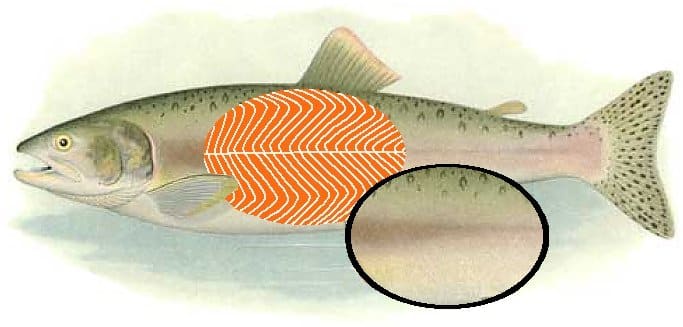
Abyssocottids were once considered a subfamily within Cottidae (the typical sculpins), but molecular studies and morphological analyses have supported their status as a separate family. These fishes share key traits such as a reduced swim bladder or its absence, which suits their life near the lake bottom, and specialized sensory systems to navigate the dark, high-pressure environment. The genus Abyssocottus is particularly notable for its species possessing a double lateral line system—a sensory organ that helps detect vibrations and movements in the water, a critical adaptation for survival in deep, low-light conditions.

Geographic Range & Distribution
The geographic range of the Abyssocottidae family is highly restricted and endemic to the Lake Baikal basin in southern Siberia, Russia. Lake Baikal, the deepest freshwater lake in the world, reaches depths exceeding 1,600 meters (about 5,250 feet) and holds approximately 20% of the world’s unfrozen freshwater. This vast and ancient lake provides a unique habitat for Abyssocottids, which are predominantly found at depths ranging from 200 to 800 meters, though some species inhabit shallower zones near the lake’s bottom.
Besides Lake Baikal itself, some Abyssocottid species occur in the Lena River drainage basin, which connects to Lake Baikal. Their confinement to this region makes them an excellent example of evolutionary adaptation and endemism. The stable cold temperatures, high oxygen levels, and minimal seasonal variation in the lake’s depths create ideal conditions for these fishes. However, this restricted range also means that the family is vulnerable to environmental changes, including pollution and warming trends.
Physical Description
Abyssocottids exhibit a range of sizes and morphological adaptations suited to deep-water life. They are generally small to medium-sized sculpins, with lengths varying from about 6 centimeters (2.4 inches) in species like Procottus gurwicii, known as the dwarf sculpin, up to 28 centimeters (11 inches) in species such as Procottus jeittelesii, the red sculpin.
These fishes typically possess elongated, tapering bodies with a flattened head and large pectoral fins that aid in maneuvering along the lake bottom. Their coloration tends to be muted, ranging from pale brown to dark gray, which provides camouflage against the rocky or muddy substrates of their habitat. Abyssocottids have 30 to 37 vertebrae, contributing to their flexible yet sturdy body structure.
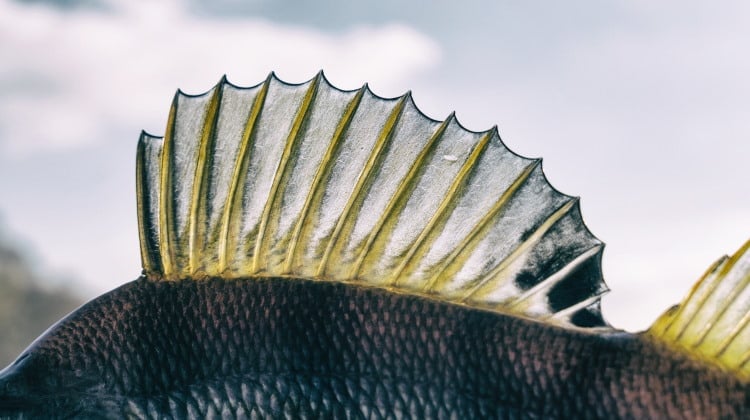
One distinctive feature is their fin anatomy: they have between 3 to 10 spines in the dorsal fin, accompanied by 10 to 21 soft rays. The anal fin contains 8 to 16 soft rays, while the pelvic fin has a single spine and 2 to 4 soft rays. These fin structures allow precise movements and stability in the deep-water currents. Notably, the genus Abyssocottus has a double lateral line system, a rare trait that enhances sensory perception in the dimly lit depths.
Behavior & Diet
Abyssocottids are primarily benthic, spending most of their lives near or on the lake’s bottom. Their behavior is closely tied to their environment, where light penetration is minimal, and pressure is high. These fishes are relatively sedentary but capable of short bursts of movement to capture prey or avoid predators. They are mostly solitary, with limited social interaction outside of breeding seasons.
Their diet consists mainly of small invertebrates and zooplankton. They feed on amphipods, insect larvae, small crustaceans, and occasionally smaller fish. Their feeding strategy involves using their enhanced lateral line system to detect the slightest movements of prey in the murky depths. Abyssocottids are opportunistic feeders, adapting to seasonal and depth-related variations in food availability. Some species also scavenge organic detritus that settles from the upper layers of the lake. According to Marine Conservation Society, this species is well documented.
Breeding & Reproduction
Reproduction in Abyssocottidae involves seasonal spawning, typically occurring in the colder months when food availability and environmental conditions are favorable for offspring survival. Males establish territories on the lake bottom and engage in courtship behaviors to attract females. After fertilization, females lay eggs attached to rocky substrates or submerged vegetation. According to FishBase, this species is well documented.
The eggs develop slowly due to the cold temperatures of Lake Baikal’s deep waters, often taking several weeks to hatch. The larvae are planktonic initially but soon settle to the substrate, where they grow into benthic juveniles. Parental care varies among species, with some males guarding the eggs until they hatch to protect against predation. The slow growth and long developmental periods are adaptations to the lake’s cold, stable environment.
Conservation Status
The conservation status of Abyssocottidae species varies but is generally of concern due to their limited geographic range and increasing environmental pressures. Lake Baikal has faced pollution from industrial runoff, agricultural activities, and urban development, which threaten the delicate ecological balance of its depths. Some Abyssocottid species have experienced population declines as a result of habitat degradation and water quality deterioration.
According to the International Union for Conservation of Nature (IUCN), several species within the family are listed as vulnerable or near threatened, though comprehensive assessments are often lacking due to the challenges of studying deep-water habitats. The closed ecosystem of Lake Baikal means that any negative impact on water quality or temperature can have disproportionate effects on endemic species like Abyssocottids. Conservation efforts focus on reducing pollution, monitoring water quality, and protecting the lake’s unique biodiversity through sustainable management practices.
Interesting Facts
Abyssocottids are a striking example of evolutionary adaptation to extreme freshwater environments. Their exclusive presence in Lake Baikal highlights the lake’s status as a biodiversity hotspot and a natural laboratory for studying speciation and deep-water ecology. The family’s name, “Abyssocottidae,” can be misleading since it implies an oceanic abyssal habitat, yet these fishes inhabit freshwater depths that mimic some abyssal ocean conditions such as low light and high pressure.
One of the most intriguing adaptations is the double lateral line system found in some species, which enhances their ability to detect prey and navigate in near-total darkness. This sensory enhancement is rare among fishes and illustrates the evolutionary pressures exerted by Lake Baikal’s environment.
Furthermore, the family’s evolutionary history is closely linked to the geological age of Lake Baikal, which is estimated to be around 25 million years old. This long timeframe has allowed Abyssocottids to diversify and specialize in ways not seen in many other freshwater fish families. Their study provides valuable insights into evolutionary biology, ecology, and the impacts of environmental change on isolated aquatic ecosystems.
Despite their obscurity outside scientific circles, Abyssocottids are a vital part of Lake Baikal’s food web and contribute to the ecological complexity that makes the lake one of the most remarkable freshwater habitats on Earth.
In conclusion, the family Abyssocottidae represents an extraordinary group of deep-water freshwater fishes, uniquely adapted to the cold, dark, and high-pressure environment of Lake Baikal. Their specialized morphology, behavior, and restricted distribution make them a subject of significant scientific interest, while also highlighting the importance of conserving their fragile habitat. As environmental challenges continue to threaten Lake Baikal’s ecosystem, understanding and protecting Abyssocottids is crucial for maintaining the lake’s unparalleled biodiversity for future generations.