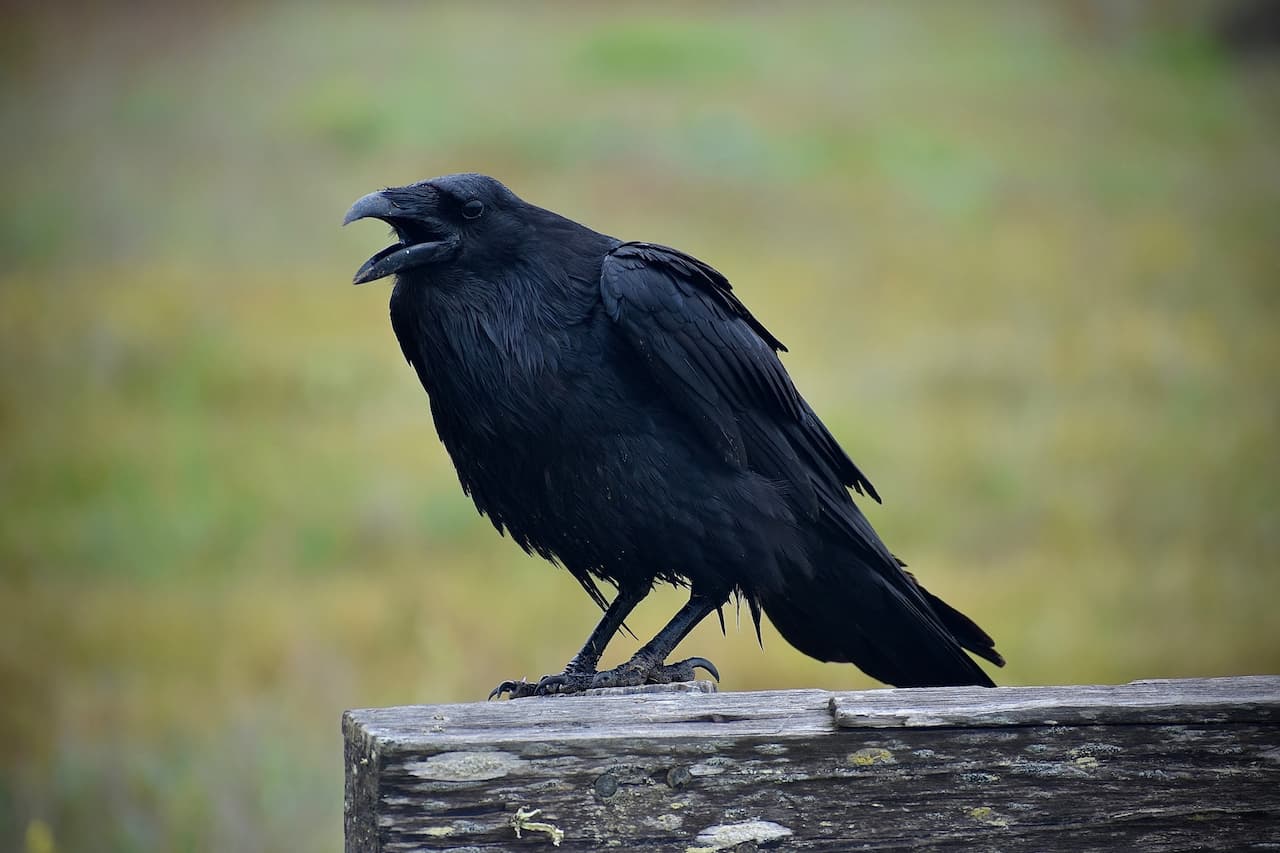
The European Scops Owl (Otus scops) is a small, nocturnal bird of prey known for its distinctive calls and remarkable adaptability across a wide range of habitats. Often called the Eurasian Scops Owl, this species captivates birdwatchers and wildlife enthusiasts with its subtle plumage and elusive behavior. Despite its modest size, the European Scops Owl plays a vital role in controlling insect populations, making it an essential component of many ecosystems. This article explores the owl’s taxonomy, distribution, physical attributes, behavior, breeding habits, conservation status, and some fascinating facts to deepen appreciation for this charming nocturnal raptor.
Scientific Classification
The European Scops Owl belongs to the family Strigidae, which encompasses the majority of owl species known as typical owls. Its scientific name is Otus scops, placing it within the genus Otus, a group characterized by small to medium-sized owls commonly called scops owls or screech owls. The genus name Otus is derived from Greek, meaning “ear,” referring to the prominent ear tufts seen in these owls. The species was first described by Carl Linnaeus in 1758, and it remains one of the most widespread scops owls in Eurasia.
Within the broader classification, the European Scops Owl is part of the order Strigiformes, which includes all owls. Unlike barn owls (family Tytonidae), scops owls belong to the Strigidae family, known for their round facial discs and asymmetrical ears that aid in precise sound localization. The European Scops Owl shares its genus with several other scops owls found across Africa and Asia, but it is distinct in its migratory behavior and habitat preferences.






Geographic Range & Distribution
The European Scops Owl has an extensive geographic range that spans southern Europe, parts of western and central Asia, and North Africa. It primarily breeds across the Mediterranean Basin, including countries such as Spain, Italy, Greece, Turkey, and extending eastwards through the Balkans and into parts of Russia and Kazakhstan. During the breeding season, these owls favor warm, open woodlands, olive groves, orchards, parks, and even urban gardens, demonstrating impressive adaptability.
As a migratory species, the European Scops Owl undertakes seasonal movements to escape the harsher northern winters. In autumn, it migrates southward to wintering grounds in sub-Saharan Africa, particularly in regions south of the Sahara Desert, including countries like Senegal, Mali, and Ethiopia. This migration covers thousands of kilometers, with owls typically traveling at night and using favorable weather conditions to conserve energy.
Some populations in southernmost Europe and parts of North Africa are considered resident or partially migratory, especially where winters are mild. Overall, the European Scops Owl’s distribution is closely linked to the availability of suitable nesting cavities and abundant insect prey, which fluctuate seasonally across its range.
Physical Description
The European Scops Owl is a small and compact owl, measuring approximately 19 to 21 centimeters (7.5 to 8.3 inches) in length, with a wingspan ranging from 47 to 54 centimeters (18.5 to 21.3 inches). Its weight typically falls between 85 and 125 grams (3 to 4.4 ounces), making it one of the smaller owl species in Europe. Despite its diminutive size, it possesses strong and agile flight capabilities, with long, narrow wings that enable direct and swift flight patterns.
Its plumage is cryptic and well-camouflaged, primarily composed of grey-brown tones with fine streaks and mottling that blend seamlessly with tree bark and foliage. The face is paler with faint concentric lines around the eyes and a subtle, almost heart-shaped facial disc. One of the most distinctive features is the pair of small, erect ear tufts that contribute to its alert silhouette, although these tufts are often flattened when the bird is at rest.
Sexual dimorphism is minimal, with males and females appearing almost identical in plumage and size. Juveniles resemble adults but have slightly fluffier feathers during their first few months. The European Scops Owl’s eyes are a striking orange-yellow, adapted for excellent night vision, while its sharp, hooked beak and talons are perfectly designed for grasping and consuming prey.
Behavior & Diet
The European Scops Owl is primarily nocturnal, becoming active shortly after sunset and hunting throughout the night. During the day, it remains concealed in dense foliage or tree cavities, relying on its camouflage to avoid predators. Its flight is silent and graceful, allowing it to approach prey stealthily. Unlike some owls that rely heavily on large prey, the European Scops Owl specializes in hunting small invertebrates, making it an important natural pest controller.
Its diet predominantly consists of a wide variety of insects, including moths, beetles, crickets, grasshoppers, and caterpillars. It also feeds on other invertebrates such as spiders, earthworms, snails, and occasionally small vertebrates like lizards or tiny rodents, though these are much less common. The owl typically hunts from a perch, swooping down to capture prey on the ground or in mid-air. Its keen hearing and excellent night vision enable it to detect even the faintest movements.
European Scops Owls are solitary outside of the breeding season, maintaining territories that they defend vocally. Their calls are distinctive and easily recognizable, consisting of a series of low-pitched, repetitive whistles or trills often likened to the sound of a distant mechanical whistle or the call of the Midwife Toad. These vocalizations serve to attract mates and establish territorial boundaries.
Breeding & Reproduction
Breeding season for the European Scops Owl generally begins in late spring, from April to June, depending on latitude and local climate conditions. The species prefers nesting in natural cavities found in mature trees, old woodpecker holes, or even crevices in cliffs and buildings. They rarely build their own nests but rely on existing cavities, which makes the availability of suitable nesting sites a critical factor for their reproductive success. According to BirdLife International, this species is well documented.
The female typically lays a clutch of three to six eggs, which are white and oval-shaped. Incubation lasts around 21 to 28 days, with the female primarily responsible for sitting on the eggs while the male provides food. After hatching, the owlets remain in the nest for about four weeks, during which both parents feed and protect them. The young fledge at approximately 30 days old but may remain dependent on their parents for several weeks while honing their hunting skills. According to eBird, this species is well documented.
European Scops Owls usually produce one brood per year, although in favorable conditions some pairs might attempt a second brood. Nest predation and food availability are critical factors influencing breeding success. These owls are generally monogamous during the breeding season but may change partners between years.
Conservation Status
The European Scops Owl is currently classified as Least Concern by the International Union for Conservation of Nature (IUCN). Its wide distribution and relatively stable population numbers contribute to this favorable status. However, localized threats do exist and require ongoing monitoring to ensure long-term viability.
Habitat loss due to deforestation, urban expansion, and agricultural intensification poses the most significant threat by reducing the availability of suitable nesting sites and foraging areas. The use of pesticides in agriculture can also negatively impact their insect prey base, indirectly affecting owl populations. Additionally, collisions with vehicles and human disturbance during the breeding season can cause mortality and reduced reproductive success.
Conservation efforts focused on preserving mature woodlands and maintaining old trees with natural cavities are vital. Some regions have implemented artificial nest boxes to compensate for the loss of natural nesting sites, which have been shown to support local populations effectively. Public awareness campaigns highlighting the species’ role in ecosystems have also helped reduce persecution and promote coexistence.
Interesting Facts
The European Scops Owl has several fascinating traits that endear it to birdwatchers and researchers alike. Its vocalizations, often heard during warm summer nights, are a distinctive marker of the Mediterranean countryside. Unlike many larger owls, this species is highly vocal throughout the breeding season, with males calling persistently to attract females.
One remarkable adaptation is its ability to enter a state of torpor—a short-term reduction in metabolic rate and body temperature—to conserve energy during cold nights or periods of scarce food. This physiological trait is relatively rare among owls and highlights its adaptability to varying environmental conditions.
The species’ migration is another point of interest. Unlike many birds that migrate during the day, European Scops Owls travel exclusively at night, navigating by the stars and possibly using Earth’s magnetic field. Young owls making their first migration face considerable risks but generally demonstrate impressive navigation skills, returning to their natal regions to breed.
Additionally, the European Scops Owl is often mistaken for the similar-sized Little Owl (Athene noctua), but the two species differ significantly in call, behavior, and habitat preference. Scops owls’ ear tufts and softer plumage patterns help distinguish them in the field for experienced birdwatchers.
Finally, the European Scops Owl has cultural significance in parts of Europe and Asia, often associated with wisdom and the mysteries of the night. Its elusive nature and haunting calls have inspired folklore and poetry, adding to the mystique surrounding this small but captivating raptor.
In conclusion, the European Scops Owl (Otus scops) is a remarkable species that thrives across diverse landscapes through its specialized adaptations and migratory lifestyle. Its role as a nocturnal insectivore makes it an important ecological ally in controlling pest populations. Despite being relatively common, it faces challenges from habitat alteration and requires continued conservation attention. For birdwatchers and nature enthusiasts, the chance to observe or hear the gentle whistles of this tiny owl offers a memorable glimpse into the enchanting world of nocturnal wildlife.