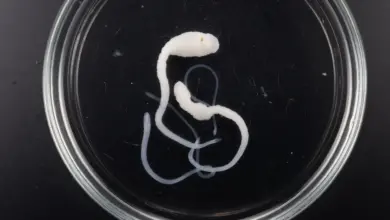
Phylum Gastrotricha, commonly known as the gastrotrichs, represents a fascinating group of microscopic aquatic invertebrates that play a subtle yet important role in freshwater and marine ecosystems around the world. These tiny organisms, often overlooked due to their minute size, exhibit a remarkable diversity of form and function, contributing significantly to the decomposition and nutrient cycling processes in aquatic habitats. Their name derives from the Greek words gaster meaning stomach and thrix meaning hair, a nod to their distinctive body shape and the hair-like cilia that cover them. Despite their simplicity, gastrotrichs possess complex biological features that make them unique among microscopic animals, providing valuable insight into evolutionary biology and aquatic ecology. For more information, see our guide on breeding.
Scientific Classification
The phylum Gastrotricha is classified within the broader grouping of microscopic, worm-like animals often studied alongside nematodes and flatworms, although their exact evolutionary relationships remain a subject of scientific research. Gastrotrichs belong to the Kingdom Animalia and are placed in their own phylum, Gastrotricha. This phylum encompasses approximately 400 described species divided primarily into two orders: Macrodasyida and Chaetonotida. Members of Macrodasyida are mostly marine, elongated, and equipped with numerous adhesive tubes, whereas those in Chaetonotida are primarily freshwater species that tend to be more compact in shape.
Within these orders, several genera are well known, including Chaetonotus, Dactylopodola, Lepidodermella, Macrodasys, Tetranchyroderma, Turbanella, and Urodasys. Each genus exhibits unique adaptations to their particular habitat, reflecting the broad ecological niche these animals occupy. Despite their diversity, all gastrotrichs share certain defining characteristics such as bilateral symmetry, a vermiform (worm-like) body shape, and a cuticle-covered exterior adorned with scales, spines, or hooks that aid in locomotion and attachment.

Geographic Range & Distribution
Gastrotrichs are cosmopolitan in distribution, inhabiting nearly all aquatic environments across the globe. They are found in both marine and freshwater ecosystems, ranging from the depths of ocean sediments to the shallow waters of ponds, rivers, and lakes. Marine species tend to dominate sandy and muddy substrates in coastal and intertidal zones, while freshwater species inhabit sediment-rich environments such as detritus layers, submerged vegetation, and biofilms on rocks and plants.
Their presence has been documented on every continent, including polar regions, indicating their remarkable adaptability to diverse environmental conditions. Marine gastrotrichs are often more diverse in tropical and temperate seas, while freshwater species are widespread but particularly abundant in temperate and boreal regions. Some species have even adapted to survive in ephemeral pools and temporary water bodies by producing resistant eggs capable of withstanding drought and extreme temperatures.
Physical Description
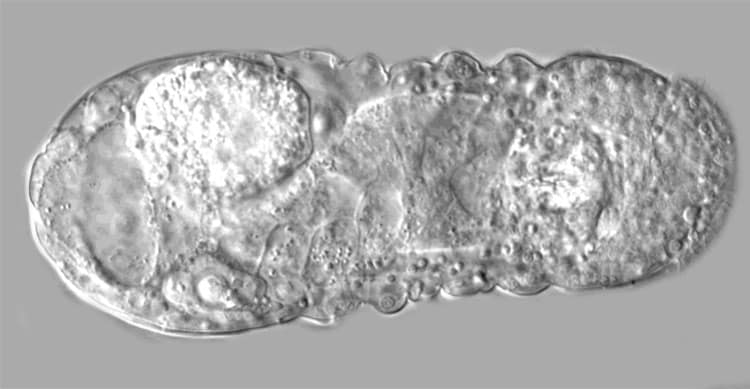
Gastrotrichs are microscopic, typically ranging from 0.05 mm to 3 mm in length, with most species measuring between 0.5 mm and 1 mm. Their elongated, soft bodies are bilaterally symmetrical and covered with a protective cuticle that may bear scales, spines, or hooks, allowing them to anchor to surfaces or aid in locomotion. The body is vermiform, resembling a tiny worm, with a head region equipped with sensory cilia arranged in four tufts that beat rhythmically, propelling the animal through water or over substrates.
Their bodies contain multiple layers of cells, including specialized tissues and organs, yet they lack a true coelom (body cavity). Gastrotrichs possess a complete digestive system with a mouth located at the anterior end and a subterminal anus near the posterior, enabling the efficient processing of food. They do not have a circulatory or respiratory system; instead, gas exchange occurs directly through their body surface. Their nervous system consists of paired longitudinal nerve cords and a small brain-like cluster of ganglia, which coordinate sensory input and movement.
One of the most distinctive features of gastrotrichs is the presence of adhesive tubes along the ventral surface, numbering anywhere from 2 to 250 depending on the species. These tubes secrete a sticky substance that allows the animal to temporarily attach to submerged surfaces such as aquatic plants, algae, or sediment particles, providing stability while feeding or resting.
Behavior & Diet
Gastrotrichs are free-living and primarily benthic, meaning they dwell on or near the bottom of aquatic environments. Their locomotion relies on the coordinated beating of cilia on the head and body, which allows them to glide smoothly over substrates or swim short distances. The adhesive tubes enable them to anchor temporarily, preventing displacement by currents or waves.
Dietarily, gastrotrichs are detritivores and microbivores, feeding on a range of microscopic organic material. Their diet consists mainly of bacteria, fungi, protozoans, and decomposing organic matter. They utilize their ciliated mouthparts to sweep tiny food particles into their digestive tract. This feeding behavior plays a crucial role in nutrient recycling within aquatic ecosystems, as gastrotrichs help break down organic detritus, making nutrients available to other organisms.
Due to their small size and soft bodies, gastrotrichs are prey for a variety of micro-predators, including small crustaceans, flatworms, and larval stages of larger aquatic animals. Their rapid movement and adhesive capabilities offer some defense against predation, but their short lifespan means they exist in large numbers to sustain populations despite losses. According to RSPB, this species is well documented.
Breeding & Reproduction
Reproduction in gastrotrichs is varied and fascinating, encompassing both sexual and asexual modes depending on species and environmental conditions. Most marine gastrotrichs are hermaphroditic, possessing both male and female reproductive organs, though only one set is functional at a time, meaning an individual functions as either male or female during a reproductive cycle. Mating involves the transfer of sperm via spermatophores, small packets of sperm, which the functionally male individual deposits onto the functionally female partner. Fertilized eggs then develop without a larval stage, hatching directly into miniature versions of adults. According to Audubon Society, this species is well documented.
Freshwater species, in contrast, are predominantly parthenogenetic, consisting almost entirely of females that produce offspring without fertilization. These species produce two types of eggs: overwintering eggs that are resistant to harsh environmental conditions such as drought, heat, or freezing, and immediately hatching eggs that give rise to juveniles quickly. This reproductive strategy allows freshwater gastrotrichs to survive in unstable and ephemeral environments by ensuring the persistence of the species through adverse conditions.
Gastrotrichs have remarkably short life cycles, with individuals living anywhere from 3 to 21 days. Juveniles grow rapidly, reaching sexual maturity in as little as two days. This rapid turnover facilitates quick population growth and resilience in fluctuating habitats.
Conservation Status
Due to their microscopic size, widespread distribution, and relatively stable populations, gastrotrichs have not been evaluated extensively for conservation status by the International Union for Conservation of Nature (IUCN). They are not currently listed as threatened or endangered. However, their presence and abundance are good indicators of environmental health, particularly water quality and sediment conditions.
As sensitive inhabitants of aquatic ecosystems, gastrotrich populations can be affected by pollution, habitat destruction, and climate change. Changes in water chemistry, such as increased contaminants or altered pH, can reduce their numbers, which in turn may disrupt local nutrient cycles and food webs. Protecting freshwater and marine habitats from degradation helps maintain healthy populations of gastrotrichs, underscoring the importance of conserving the broader environments they inhabit.
Interesting Facts
Despite their tiny size, gastrotrichs possess several intriguing adaptations that make them stand out among microscopic animals. Their name “hair stomach” references the dense bands of cilia on their ventral and head surfaces, which not only aid in locomotion but also help channel food into their mouths. Some species can have upwards of 250 adhesive tubes, a remarkable number for such a small creature, allowing them to cling tenaciously to substrates even in turbulent waters.
Unlike many other microscopic invertebrates, gastrotrichs do not have a larval stage, which simplifies their life cycle and speeds up development. Their short lifespan and rapid reproductive cycle allow them to colonize new habitats quickly and recover from disturbances efficiently. Moreover, the ability of freshwater species to produce drought-resistant eggs demonstrates their evolutionary ingenuity in surviving harsh conditions.
Gastrotrichs also serve as an important food source within the microfaunal community, linking bacterial and fungal populations to larger predators, thus playing a critical role in aquatic food webs. Their study offers valuable insights into the complexity of microscopic ecosystems and the often-underappreciated biodiversity beneath the water’s surface.
Conclusion
Phylum Gastrotricha comprises a diverse and widespread group of microscopic aquatic animals that, despite their small size, contribute significantly to the ecological functioning of freshwater and marine environments worldwide. Their unique morphology, varied reproductive strategies, and ecological roles highlight the complexity of life at the microscopic scale. While they may not capture the public imagination like larger animals, gastrotrichs are indispensable players in aquatic ecosystems, aiding in nutrient recycling and supporting food webs. Continued research and conservation of their habitats are vital to preserving the delicate balance of life in aquatic ecosystems, ensuring that these tiny “hairy stomach” creatures continue to thrive beneath the surface.