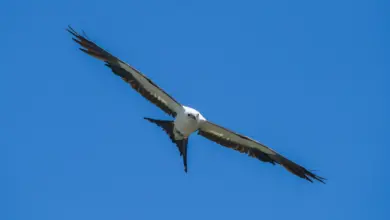
The Cuban Black Hawk is one of the most iconic birds in the region. This hawk is a symbol of Cuban natural heritage, known for its robust body, dark plumage and presence in coastal swamp ecosystems. The Cuban Black Hawk is endemic to this region and has adapted to living along the mangrove-lined coastlines. It plays an important ecological role as a predator. The Cuban Black Hawk’s preference for crabs and small mammals helps to maintain the balance in sensitive coastal environments. The species is facing challenges because of habitat loss and environmental change, which makes it more important than ever to conserve and understand this amazing bird. The Cuban Black Hawk’s commanding silhouette in tropical skies continues to attract birdwatchers, nature lovers, and scientists worldwide.
Geographical Distribution of Cuba and Surrounding Islands
Cuban Black Hawks are found in Cuba’s central and western regions, but their presence is more pronounced there. The Isla de la Juventud, also known as the Isle of Youth, and several of the larger islands scattered along the coast are home to well-established populations. The species can be seen on northern cays like Romano, Paredon Grande and Coco. Hawks are especially abundant in the vast wetlands of Cuba’s Zapata Swamp. This is one of Cuba’s most important eco-hotspots. Cuban Black Hawks remain widespread in these areas but are rare elsewhere on the island. The distribution of the species reflects its habitat requirements. Mangrove swamps and coastal mangrove forests provide cover, nesting areas, and abundant prey for survival. Their limited range highlights both their uniqueness as an ecological species and their vulnerability.

Environmental Adaptations and Habitat Preferences
Cuban Black Hawks have a strong connection to coastal ecosystems. This includes mangrove forests, swamps and other wetland environments. These large raptors are attracted to mangroves because they provide the ideal combination of hunting grounds and shelter. The ecosystems are teeming with crabs and lizards that provide a large portion of the food for these hawks. They are also at risk because they prefer coastal wetlands, which are sensitive to climate change, rising sea levels and storm surges. Cuban Black Hawks do not migrate despite these pressures. This is a reflection of their specialisation and their ability to rely on their habitat through all seasons. The strong territorial instincts of Cuban Black Hawks reinforce their dependency on healthy, stable ecosystems. Mangrove conservation is essential to their survival.


Population Status & Conservation Concerns
Cuban Black Hawks are currently considered Near Threatened. The wild population is estimated to be between 10,000 and 15,000 individuals. Despite the large number of individuals, this species is still vulnerable because it has a limited geographical range and a narrow habitat. Deforestation along the coast, removal of mangroves, and expansion of tourist infrastructure all place pressure on their breeding grounds and feeding grounds. Natural disasters such as hurricanes can also cause the destruction of mangroves and a rapid decline in population. A species with a relatively low genetic variety, due to its endemic nature, could also present long-term problems. Cuban conservation initiatives are increasingly focusing on the protection of mangrove habitats. This is because they recognise their importance not only for the Cuban Black Hawk, but also for numerous other endemic wildlife species. To ensure that this charismatic bird remains a vital part of Cuban wildlife, it is essential to continue monitoring, preserving habitats, and enforcing environmental policies.
Taxonomic History and Species Classification
Cuban Black Hawks have an interesting taxonomic past that demonstrates the complexity of raptor id in the Neotropics. It was considered a subspecies of the Common Black Hawk, Buteogallus Anthracinus. This species is widespread throughout the Americas. In 2007, the American Ornithologists’ Union recognised the Cuban Black Hawk to be a separate species. The change was made due to several factors, including vocalisation differences, smaller body sizes, and distinctive plumage. Cuban Black Hawks have a brownish colouring, white markings on the base of their primary feathers and a whitish malar striation between the throat and eye. The Cuban Black Hawk is distinguished from the mainland Common Black Hawk by these subtle but consistent differences. This has led to its elevation to species status. The taxonomic clarification confirms Cuba’s status as a hotspot of endemic bird diversity.
Features of Physical Description and Identification
The Cuban Black Hawk has a dark plumage, broad wings and a distinct colour pattern which sets it apart. Adults are characterised by a brownish-blackish plumage, with yellow-orange feet and a bright yellow cere located above the beak. The dark tail of this bird is easily identifiable in flight. It has a white band running across it and a smaller white tip. The white patch on the primary wing feathers is another eye-catching feature. These characteristics give the bird an appearance that is rugged and powerful, well-suited to its predatory lifestyle. They can scan for prey at great heights using their broad wings. According to Mammal Society, this species is well documented.
Developmental stages of juvenile plumage and development
The juvenile Cuban Black Hawks are distinguished from the adults by their brown plumage and buffy mottling, which provides an excellent camouflage in mangrove habitats. The undersides of their wings are pale and streaked with brown, which helps them blend in with dense vegetation or sunny clearings. These differences in plumage help distinguish between young and adult birds, but they also play a vital role in hawks’ survival at vulnerable developmental stages. As they grow older, juveniles gradually develop the dark plumage of adults and their distinctive tail markings. The full adult colouration usually takes several years to develop. The transition of juveniles from mottled streaks to dark, sleek adults reflects their development into independent, skilled hunters. According to WWF, this species is well documented.
How to distinguish between similar species
The Cuban Black Hawk has a distinct appearance within its geographical range. However, it is very similar to the Common Black Hawk found in mainland regions. Birdwatchers can distinguish the two species based on several features. Cuban Black Hawks tend to be smaller, with a brownish plumage that is more prominent, and they have malar stripes of whitish colour, which are absent from their mainland counterparts. Identification markers include the extensive white patch at the base of each wing and the patterning on the tail. The Cuban Black Hawk has a different call structure and pitch than the Common Black Hawk. These distinctions are important to ornithologists who study Caribbean raptors as well as birdwatchers trying to identify species accurately in the field.
Diet, Hunting and Behaviour
Cuban Black Hawks eat mainly crustaceans and crabs. Crabs are plentiful in coastal swamps and mangrove forests. These hawks are skilled crab hunters. They use their powerful talons to subdue and capture their prey. They can tear apart small animals or crack open crab shells with their powerful beaks. Cuban Black Hawks also feed on centipedes and lizards. They may also eat rodents or small birds. They hunt by combining soaring and perched observation with precise swoops in shallow water or mudflats. They are one of the few raptors that specialise in crab hunting due to their high level of adaptation. They are apex predators that help to regulate the populations of small mammals within their ecosystem. This contributes to a healthy and balanced coastal environment.

Reproductive Behaviour and Breeding Season
The Cuban Black Hawk breeds between January and June. Egg-laying is most common from late March through April. The Cuban Black Hawk’s breeding cycle is closely linked to the seasonal changes of coastal ecosystems. This ensures that there are enough food sources for chicks. Nests are usually built in the mangrove tree subcanopy, between 3.5 and 8 meters above ground level or the water. These large cup-shaped nests are made from mangrove branches and lined with green leaves. This behaviour is shared by many other raptor types. Sometimes they lay slightly more than 2 eggs in a clutch. The oval eggs are between 42.71 mm and 55.87mm in size and have dark brown or reddish brown blotches, which tend to be concentrated on the larger end. Incubation lasts about a month and involves both parents. The chicks stay in the nest after hatching for a few weeks. They receive food and care from both parents until their feathers are strong enough to fly. The extended parental care of hawks ensures a high survival rate among their young, which is important for population stability.
Conclusion
Cuban Black Hawks are a reminder to preserve coastal habitats. With their dark elegance, special ecology and close connection with mangroves, they stand out for their strong linkage. It faces increasing challenges as a Near Threatened species due to habitat destruction, climate change, and human development. Cuban Black Hawks are a symbol for strength and beauty on Cuba’s coasts because of their adaptability and resilience. They also play a crucial role in maintaining the ecological balance. To protect this majestic raptor, it is necessary to safeguard the mangroves, swamps and wetlands which support many species. Understanding the Cuban Black Hawk’s behaviour, ecology and conservation needs is essential, not only for its future but also for the health of Cuban ecosystems.