
Chelicerata represents a fascinating and ancient group of arthropods that have thrived on Earth for hundreds of millions of years. This subphylum, sometimes elevated to phylum status in various scientific classifications, includes familiar creatures such as spiders, scorpions, and horseshoe crabs, as well as less well-known groups like sea spiders and the enigmatic sun spiders. Chelicerates are distinguished by their unique body structure and feeding mechanisms, setting them apart from other arthropods like insects and crustaceans. Their evolutionary lineage dates back approximately 600 million years, making them one of the earliest arthropod groups to diversify. Today, Chelicerata comprises around 80,000 described species, with many more likely yet to be discovered, inhabiting a vast array of ecosystems across the globe.
Scientific Classification
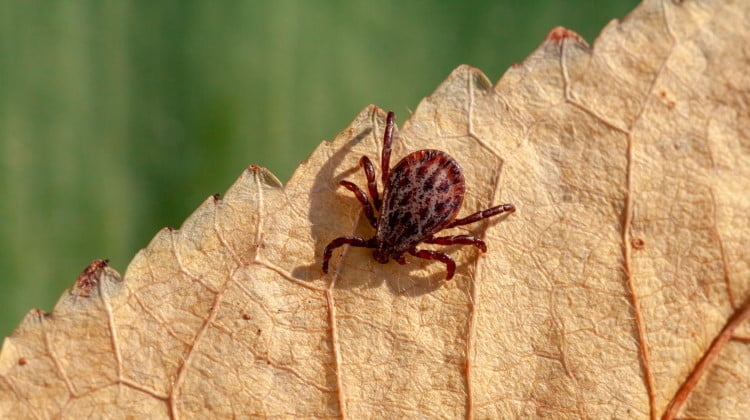
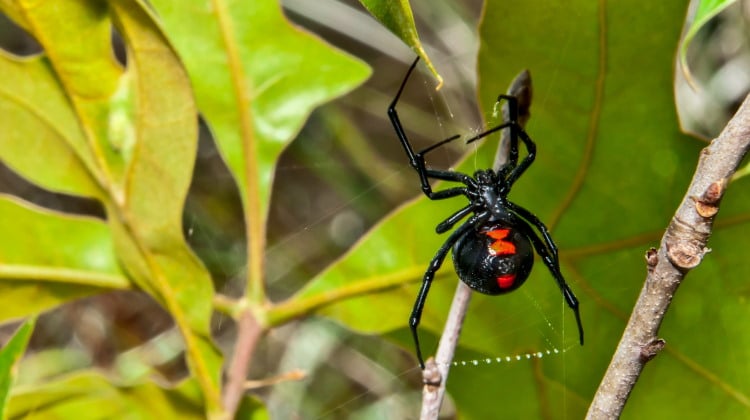
The Chelicerata belong to the phylum Arthropoda, characterized by their segmented bodies, exoskeletons, and jointed appendages. Within Chelicerata, the classification divides into several distinct classes and subclasses, reflecting the diversity and evolutionary adaptations of these creatures. The most prominent class is Arachnida, which includes over 100,000 species such as spiders (Araneae), scorpions (Scorpiones), mites and ticks (Acari), harvestmen (Opiliones), whip spiders (Amblypygi), whip scorpions (Uropygi), sun spiders or camel spiders (Solifugae), and miniature whip scorpions (Palpigradi).
Another notable class is Merostomata, which today includes only the horseshoe crabs — five extant species grouped in the genus Limulus and related genera. Horseshoe crabs are often referred to as “living fossils” due to their ancient lineage dating back more than 450 million years. The class Pycnogonida, or sea spiders, comprises approximately 1,348 marine species. Although their placement within Chelicerata is widely accepted, it remains a subject of ongoing scientific inquiry because of their distinct anatomical features and scant fossil record.
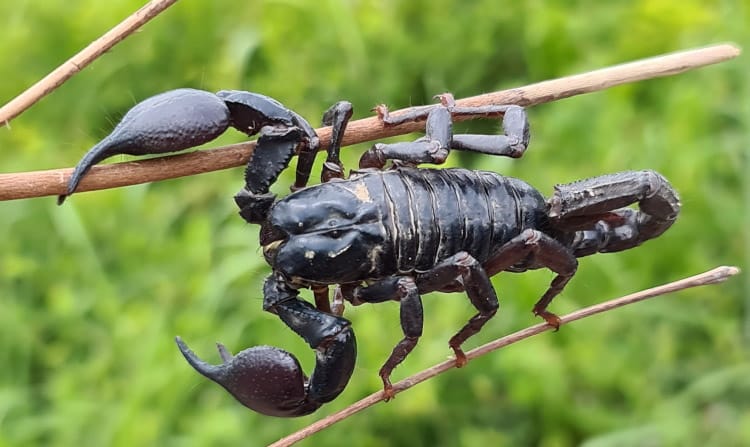
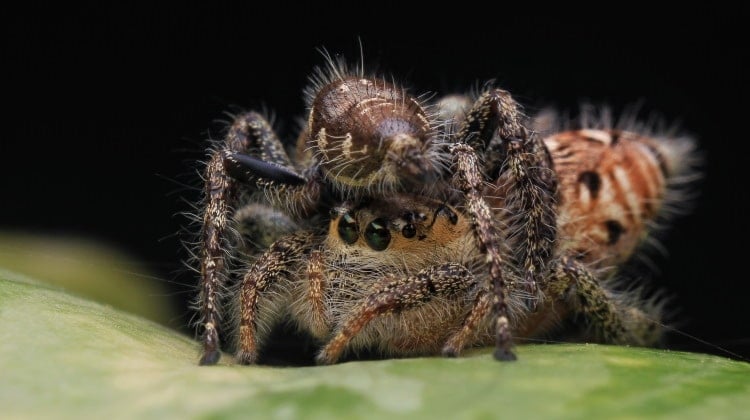
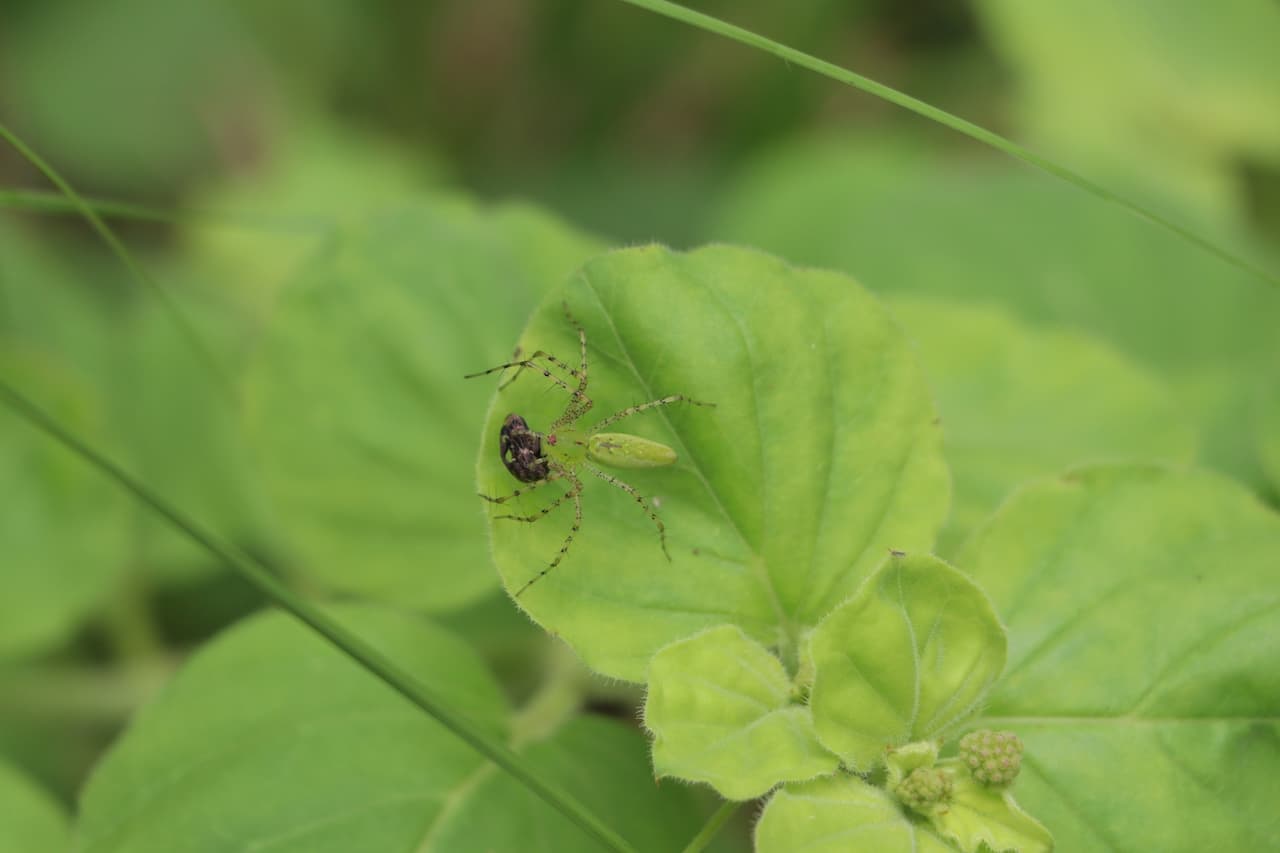
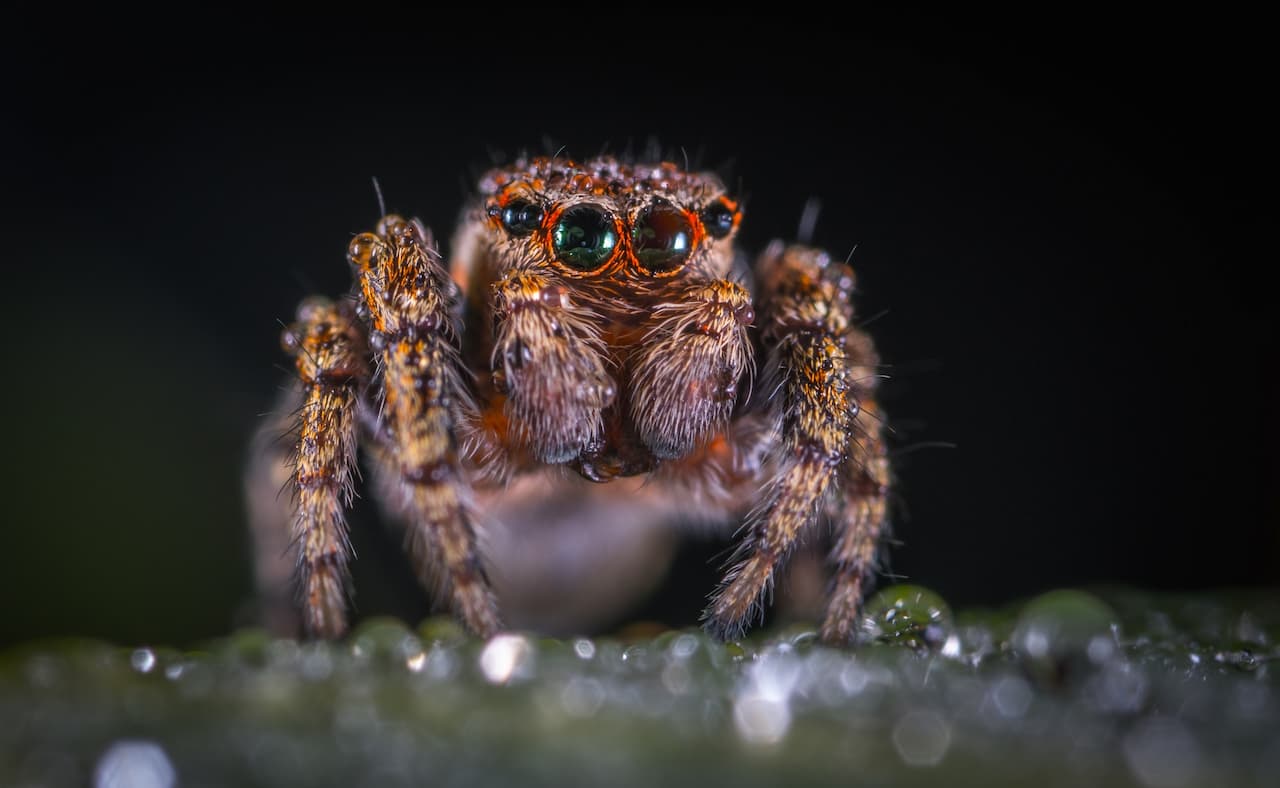
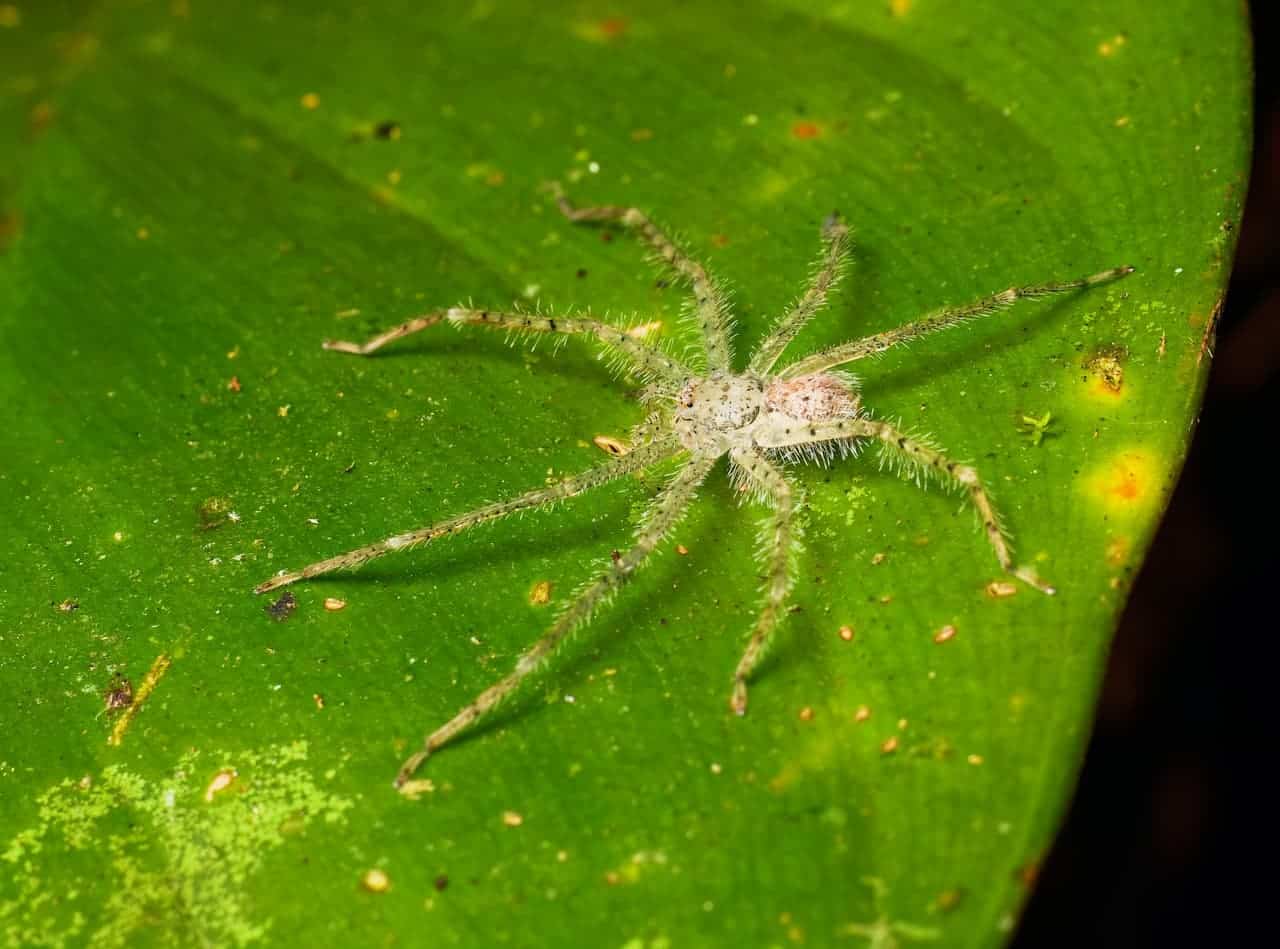
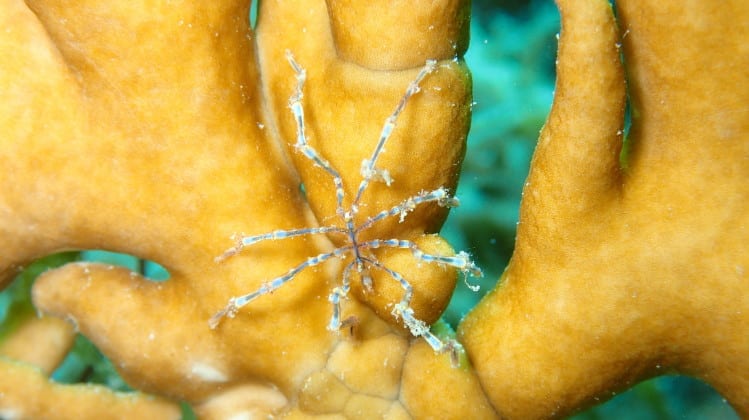
Chelicerates are characterized by the possession of six pairs of appendages: one pair of chelicerae (specialized mouthparts), one pair of pedipalps (often used for sensory or reproductive functions), and four pairs of walking legs. Unlike other arthropods, chelicerates lack antennae and mandibles, and their bodies are divided into two main tagmata: the prosoma (cephalothorax) and the opisthosoma (abdomen), rather than three parts seen in insects and crustaceans.
Geographic Range & Distribution
Chelicerates have a global distribution, inhabiting nearly every terrestrial and aquatic environment. The class Arachnida is primarily terrestrial, found on all continents except Antarctica, thriving from tropical rainforests to arid deserts. Spiders and scorpions are especially widespread, with scorpions populating desert regions such as the Sahara, the southwestern United States, and parts of Australia, while spiders occur in diverse habitats ranging from forest canopies to grasslands.
Horseshoe crabs of the class Merostomata are restricted to shallow coastal waters along the Atlantic coast of North America and parts of Southeast Asia. These marine chelicerates inhabit sandy or muddy bottoms of estuaries and tidal flats. Their spawning behavior is tied closely to lunar cycles and tidal patterns, making specific geographic zones critical for their reproductive success.
Sea spiders (Pycnogonida) inhabit marine environments worldwide, from shallow coastal waters to deep-sea trenches, with some species found near polar regions. They are particularly abundant in cold waters surrounding Antarctica and the Arctic, where they contribute to the benthic marine ecosystem. Their distribution reflects a broad ecological tolerance but remains less studied due to their cryptic nature and challenging habitats.
Physical Description
Chelicerates exhibit a wide range of sizes and morphologies, but they share several distinctive anatomical traits. The body plan consists of two main segments: the prosoma, which houses the brain, eyes, and mouthparts, and the opisthosoma, containing vital organs such as the digestive system, reproductive organs, and, in many species, respiratory structures. Unlike insects, chelicerates do not have antennae; instead, their first pair of appendages, the chelicerae, function as feeding appendages.
Chelicerae vary greatly among species, from the pincers of scorpions to the fang-like structures of spiders used to inject venom. Pedipalps often assist in prey capture, sensation, or reproduction. The four pairs of walking legs attached to the prosoma facilitate locomotion. Sizes among chelicerates range extensively: adult horseshoe crabs can reach lengths of up to 60 centimeters and weigh over 4 kilograms, while some spider species measure mere millimeters in length.
Spiders typically range in size from 1 millimeter to over 30 centimeters in leg span, with the giant huntsman spider (Heteropoda maxima) holding the record for largest leg span at up to 30 centimeters. Scorpions can measure between 9 centimeters to over 20 centimeters depending on species, with the giant forest scorpion (Heterometrus swammerdami) reaching the upper size limits. Sea spiders are generally small, with body lengths rarely exceeding 2 centimeters, although their long legs can give them a spider-like appearance.
The chelicerate exoskeleton is composed primarily of chitin and proteins, lacking the calcium carbonate found in crustaceans. This exoskeleton provides protection and support but requires periodic molting for growth. Many arachnids possess specialized respiratory structures such as book lungs or tracheae, adaptations that facilitate gas exchange in terrestrial environments.
Behavior & Diet
Chelicerates exhibit a broad spectrum of behaviors, often tightly linked to their ecological niches and dietary preferences. Most are predators, employing a combination of ambush, active hunting, or web-building strategies to capture prey. Unlike many arthropods, chelicerates do not possess jaws for chewing; instead, they rely on their chelicerae to manipulate and often inject digestive enzymes into their prey, externally breaking down tissues before ingestion.
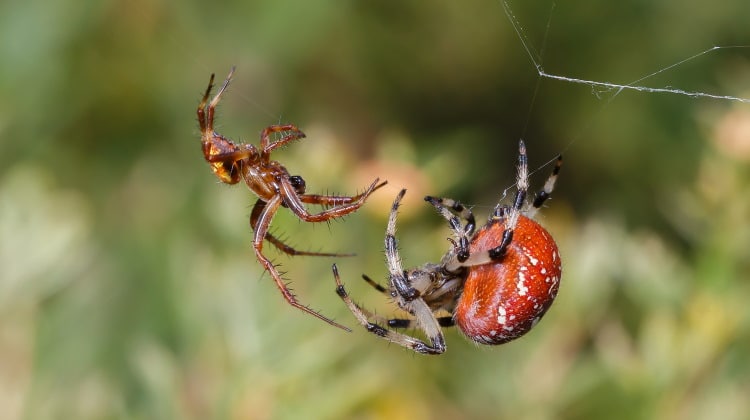
Spiders are renowned for their web-building capabilities, with orb-weaver spiders (Araneidae) creating intricate silk webs to ensnare flying insects. Others, like wolf spiders (Lycosidae), are active hunters relying on speed and keen eyesight. Scorpions are nocturnal hunters, using their pincers to grasp prey and their venomous stinger to immobilize it. Their diet often includes insects, other arachnids, and small vertebrates.
Horseshoe crabs are opportunistic feeders, consuming worms, mollusks, and detritus from the ocean floor. They use their chelicerae and legs to crush and grind food before ingestion. Sea spiders feed primarily on sessile invertebrates such as sponges, hydroids, and bryozoans, piercing their prey with a proboscis to suck out soft tissues.
Many chelicerates exhibit complex behaviors related to survival and communication. Scorpions use vibrations and chemical signals to locate mates and defend territories. Some spiders perform elaborate courtship dances to avoid being mistaken for prey by potential mates. These behavioral adaptations have contributed to the evolutionary success of chelicerates across diverse habitats. According to iNaturalist, this species is well documented.
Breeding & Reproduction
Reproductive strategies in chelicerates are varied and often involve intricate courtship rituals. Most species are gonochoristic, meaning individuals are distinctly male or female. Fertilization is typically internal, with males transferring sperm to females using specialized appendages or structures. In spiders, for example, males use modified pedipalps to deposit sperm into the female’s reproductive organs during courtship. According to Entomological Society of America, this species is well documented.
Scorpions engage in a unique mating dance called the “promenade à deux,” where the male grasps the female’s pincers and leads her over a spermatophore deposited on the ground. Fertilization occurs when the female picks up the spermatophore. Scorpion gestation periods vary widely, from several months to over a year, with some species giving birth to live young rather than laying eggs.
Horseshoe crabs spawn in large numbers on sandy beaches during high tides, often synchronized with lunar cycles. Females lay thousands of eggs in nests dug in the sand, which hatch into larvae resembling miniature adults. These larvae undergo several molts before reaching maturity, which may take several years.
Sea spiders have less well-documented reproductive behaviors, but most species exhibit external fertilization, with males often caring for eggs attached to their legs until hatching. This paternal care is unusual among arthropods and highlights the diverse reproductive adaptations within Chelicerata.
Conservation Status
The conservation status of chelicerates varies significantly among groups and species. Many arachnids, such as common spiders and scorpions, are abundant and not currently at risk. However, habitat destruction, pesticide use, and climate change pose threats to specific species and populations. Some scorpions and spiders with highly specialized habitat requirements face localized declines due to habitat fragmentation.
Horseshoe crabs, despite their ancient lineage, are currently considered vulnerable by the International Union for Conservation of Nature (IUCN). Overharvesting for bait and biomedical uses, habitat loss from coastal development, and pollution have led to population declines, especially in North American species like Limulus polyphemus. Conservation efforts focus on habitat protection and sustainable harvesting practices to ensure the survival of these ecologically important animals.
Sea spiders are less studied from a conservation perspective, partly due to their remote marine habitats. There is insufficient data to assess the status of many species, but deep-sea mining and climate change-induced ocean changes may impact their populations in the future.
Interesting Facts
Chelicerates possess several intriguing biological features. One remarkable adaptation is their method of external digestion, where enzymes are secreted onto or into prey to liquefy tissues before ingestion. This allows them to consume prey much larger than what could be swallowed whole. Spiders’ silk, produced from specialized abdominal glands, is one of the strongest natural fibers known and serves multiple functions beyond web-building, including egg protection, shelter construction, and prey wrapping.
Horseshoe crabs have blue blood containing a copper-based molecule called hemocyanin, which is highly sensitive to bacterial endotoxins. This unique property makes their blood invaluable in the biomedical industry for testing vaccines and medical equipment sterility. Despite this, efforts are ongoing to develop synthetic alternatives to reduce the impact on wild populations.
Scorpions fluoresce under ultraviolet light due to compounds in their exoskeleton, a trait that aids researchers in locating and studying them in the wild. This glowing effect remains a subject of study for understanding its evolutionary function, potentially related to camouflage or mating.
Sea spiders have an unusual body plan with legs that can be many times longer than their body, giving them a spider-like appearance despite their marine lifestyle. They lack a respiratory system and instead rely on diffusion through their legs for oxygen exchange, an adaptation suited to their aquatic environment.
Overall, the Chelicerata showcase an extraordinary evolutionary success story, with adaptations that have allowed them to colonize diverse environments and persist through dramatic changes in Earth’s history. Their study provides valuable insights into arthropod evolution, ecology, and the intricate balance of life across terrestrial and marine ecosystems.
In conclusion, the Chelicerata subphylum represents a diverse, ancient, and ecologically significant group of arthropods. From the familiar spiders and scorpions to the lesser-known horseshoe crabs and sea spiders, these animals exhibit fascinating biology and behaviors that continue to captivate scientists and nature enthusiasts alike. Understanding their taxonomy, distribution, physiology, and conservation challenges helps deepen our appreciation for the complexity of life on Earth and underscores the importance of preserving biodiversity for future generations.


Dear Gordon, I’ve met you via ENTOMO-L discussion group a long time ago. I used to spend to much time reading/sorting interesting messages. I asked for help from time to time that period. Some guys helped. Maybe you remember me – a museum curator from a small city museum in city of Split, Croatia. We didn’t have web site that time and the internet connection was with dial up… Than I lost contact to the group but I kept few great contacts from that times and I also remember you from that times. Such a great leaning tool! That times you were in Bulgary I think, or Greece.
I still take care of our old beetle collection and teach a lot of school kids, or younger kids, sometimes even students. Workshops etc. Here it was me here when my hair wasn’t grey yet like now at my workshop “Insects”. I take care of an old beetle collection and teach a lot schoolkids, or younger kids, sometimes even stoudents. We have a site but still not bilingual. Maybe you can try to google it if you want to search it. Cheers!
Best of luck!
Bože