Waterfowl
-

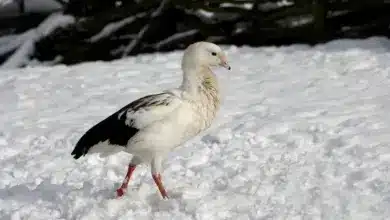
Andean Geese
The Andean Goose, Chloephaga melanoptera, is a striking waterfowl species native to the high-altitude regions of the Andes mountain range…
Read More » -
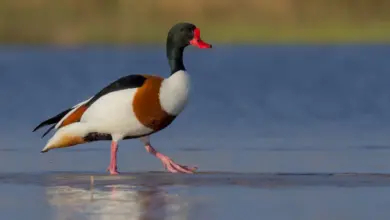
Crested Shelducks
The Crested Shelducks or Korean Crested Shelduck, Tadorna cristata, is a species of bird in the family Anatidae. It is…
Read More » -
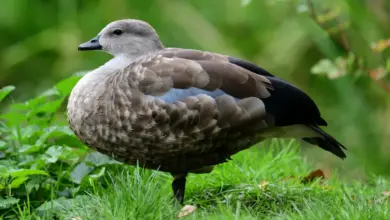
Blue-winged Geese
The Blue-winged Goose (Cyanochen cyanoptera) is a distinctive waterfowl species endemic to Ethiopia, making it a unique representative of the…
Read More » -
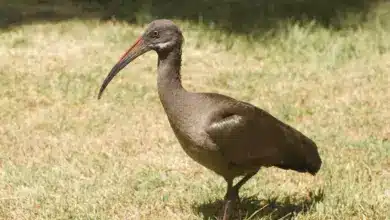
Bostrychia
Bostrychia is a fascinating genus of ibises native exclusively to the African continent. These medium-sized wading birds belong to the…
Read More » -
Keeping Geese
Utility Birds (Meat and Eggs) Reasons for Keeping Domesticated Geese & Gender Identification Geese were historically used for their meats.…
Read More » -
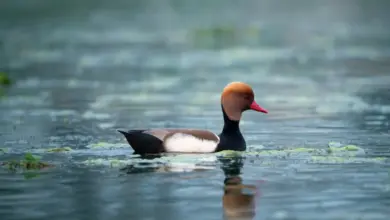
Red-crested Pochards
The Red-crested Pochard (Netta rufina) is a striking and distinctive species of diving duck known for its vibrant coloration and…
Read More » -
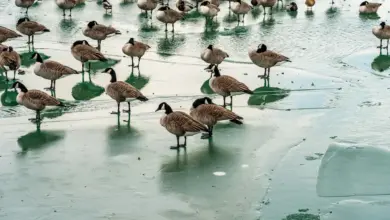
Crackling Geese
The Cackling Geese (Branta hutchinsii) occurs in North America, where it is regionally common. This species has adapted well to…
Read More » -
Pink-footed Geese
The Pink-footed Goose (Anser brachyrhynchus) is a striking medium-sized species of goose known for its distinctive pink feet and bill…
Read More » -
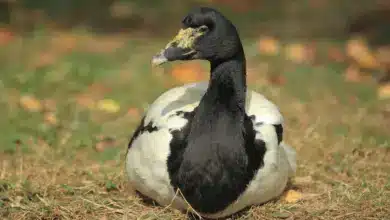
Magpie-goose
The Magpie Goose, Anseranas semipalmata, is a waterbird species found in coastal northern Australia and savannah in southern New Guinea.…
Read More » -
Pygmy Geese
The **pygmy geese**, belonging to the genus Nettapus, are among the smallest and most striking members of the waterfowl family.…
Read More »