
inverts
-
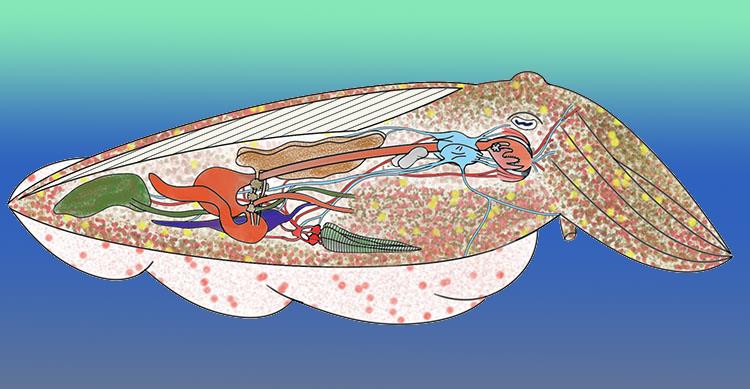
Cuttlefish Anatomy 101: A Look Inside
Cuttlefish Anatomy: Introduction Cuttlefish anatomy, because cuttlefish are cephalopods, arises from the same anatomical base as other cephalopods, including a…
Read More » -
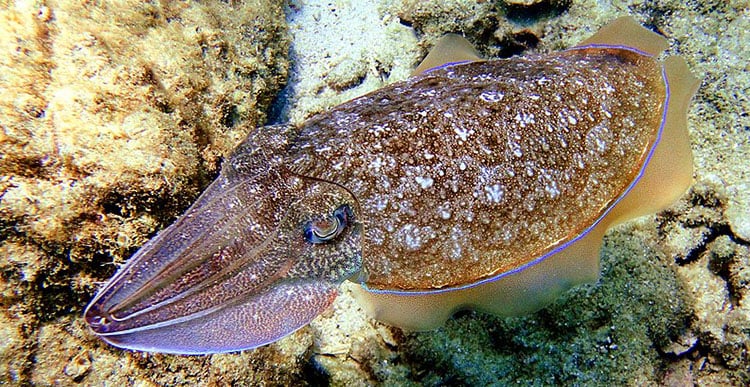
Cuttlefish: Colourful Living Artists of the Oceans
Cuttlefish are amazing creatures. Intelligent, underwater living works of ephemeral art; they are often called the chameleons of the sea..…
Read More » -
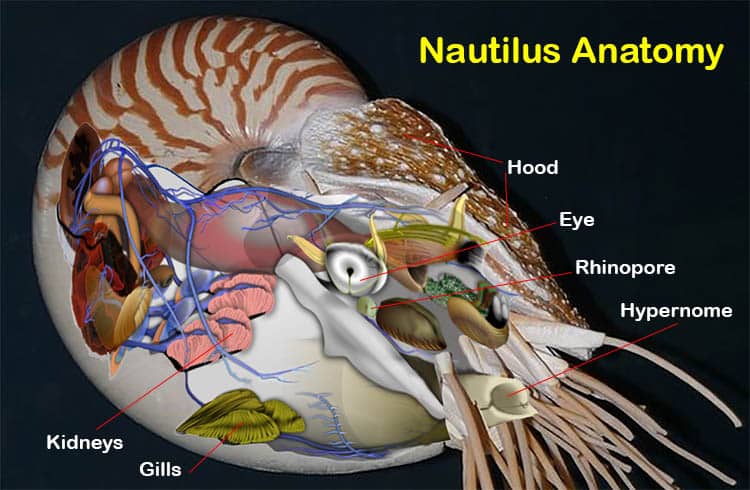
Nautilus Anatomy: Unique eyes, shells and tentacles.
The Anatomy of Nautilus Introduction The anatomy of a nautilus follows the basic molluscan plan. However, because the nautiloid line…
Read More » -
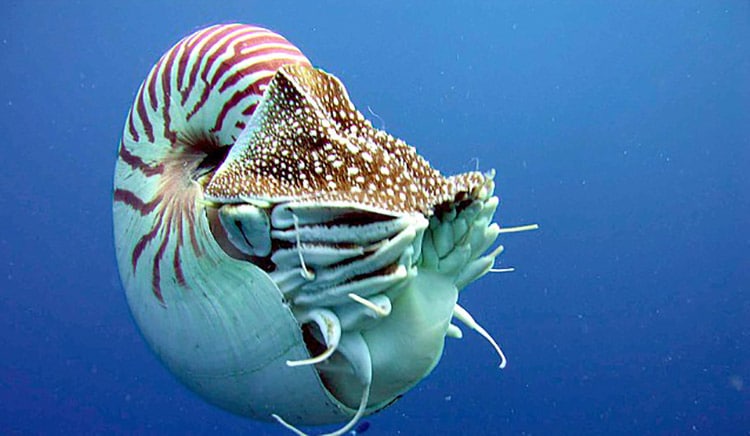
Order Nautilida: The Ancient and Enigmatic Nautilus
Introduction to the Nautilus The Nautiluses, or Nautili are a small, and very beautiful, group of living, shelled cephalopods. The…
Read More » -
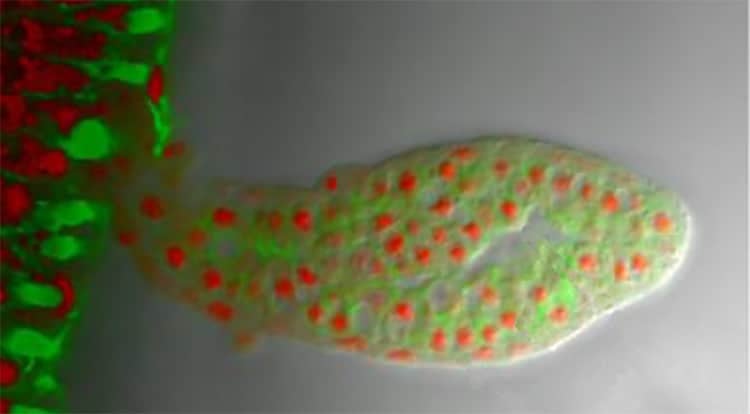
Myxozoa: Tiny Cnidarian Parasites of Fish and Invertebrates
The Myxozoa; An Introduction Taxonomically the position of the Myxozoa is still not entirely clear. Are they a class, a…
Read More » -
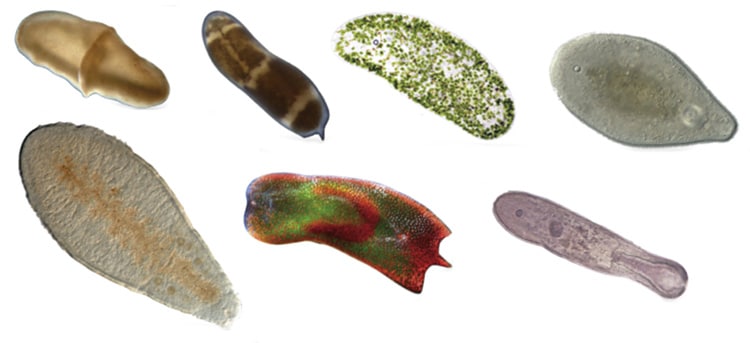
Phylum Xenacoelomorpha; Simple marine worms
Xenacoelomorpha – Etymology: From Ancient Greek Xenos = strange, + koîlos, “hollow” – (as in coelom) + morphḗ, “shape”. Animal with a strange shaped gut. For more…
Read More » -
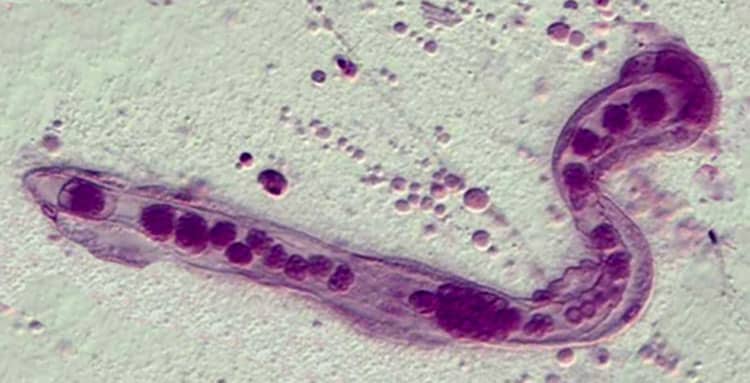
Dicyemida: Tiny Marine Parasites of Octopus and Squids
Dicyemida Etymology: From the Greek Di for two and cyem for germ – referring to the existence of both sexual…
Read More » -
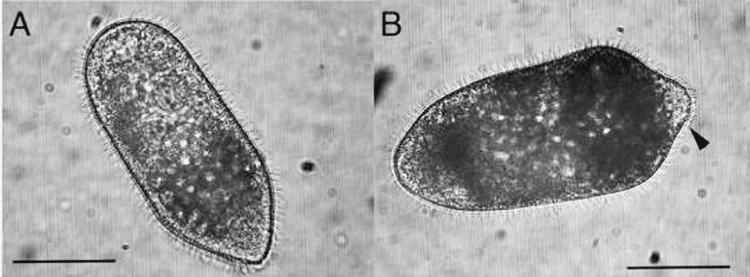
Orthonectida: Tiny Parasites of Starfish, Bivalves and Worms
Etymology: From Ancient Greek (orthós, “straight”) and (nēktós, “swimming”) or (nḗktēs, “swimmer”) Characteristics of Orthonectida: Bilaterally symmetrical. Has no organs or tissues. Body contains no…
Read More » -
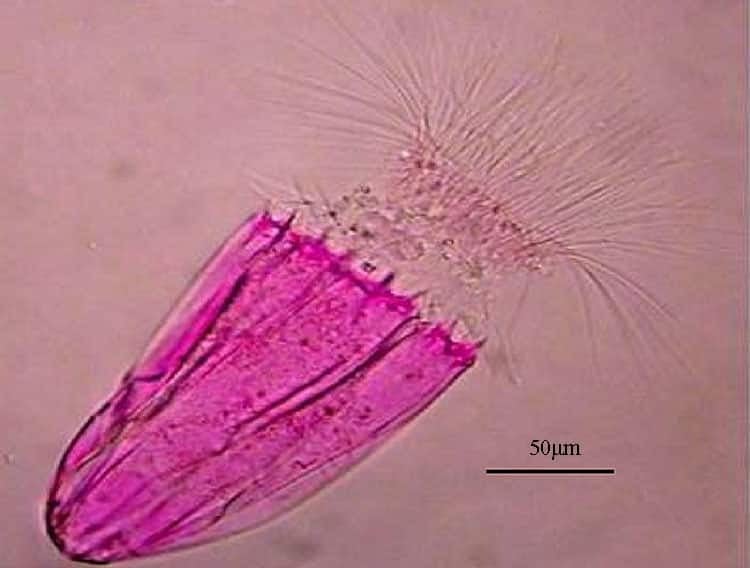
Phylum Cephalorhyncha: Tiny Marine Worms
The phylum Cephalorhyncha represents an intriguing group of tiny marine worms that have fascinated marine biologists and invertebrate specialists for…
Read More » -
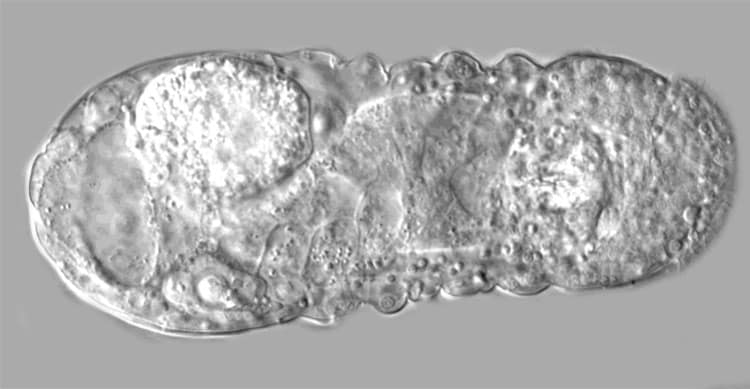
Phylum Micrognathozoa
The phylum Micrognathozoa represents one of the most recently described and intriguing groups in the animal kingdom. First identified at…
Read More »