
Bioluminescence is the natural production and emission of light by living organisms, a fascinating adaptation found in a variety of marine species, including many fish. This glowing ability is especially prevalent in fish that inhabit the deep ocean, where sunlight fails to penetrate. Bioluminescent fish have evolved specialized light-producing organs that serve a range of functions vital to their survival, from camouflage and communication to attracting prey. Understanding how these fish generate and use light reveals remarkable insights into the complexity of life in the ocean’s darkest depths.
Scientific Classification
Bioluminescence in fish is not restricted to a single taxonomic group but occurs across multiple families and orders, primarily within the class Actinopterygii, the ray-finned fishes. Some of the most well-known bioluminescent fish belong to the order Stomiiformes, which includes dragonfishes and lanternfishes, and the order Lophiiformes, which includes anglerfishes. Other families known for bioluminescence include the Myctophidae (lanternfishes), Gonostomatidae (bristlemouths), and Macrouridae (grenadiers or rattails). Each of these groups has independently evolved light-producing organs, often called photophores, which vary greatly in structure and function.
In terms of biochemistry, bioluminescence typically results from an enzymatic reaction involving the enzyme luciferase and the substrate luciferin. This reaction produces light without significant heat. Many bioluminescent fish rely on symbiotic bacteria housed in specialized light organs to generate this light, while others produce the chemical components themselves through metabolic processes. This complex evolutionary trait highlights the diversity and adaptability of marine fish in deep-sea environments.


Geographic Range & Distribution
Bioluminescent fish are predominantly found in the world’s oceans, with the greatest diversity occurring in deep pelagic zones ranging from 200 to over 1,000 meters below the surface. The mesopelagic zone (approximately 200 to 1,000 meters deep), sometimes called the “twilight zone,” is home to the majority of bioluminescent fish species. This region experiences very limited light penetration, making bioluminescence a critical adaptation.
Species like the lanternfish (Myctophidae) are globally distributed, inhabiting temperate and tropical waters in both hemispheres, from the Atlantic and Pacific Oceans to the Indian Ocean. Anglerfish species (Lophiiformes) tend to be found worldwide but are especially common in deep, cold waters of the Atlantic and Southern Oceans. Grenadiers or rattails (Macrouridae) typically occupy benthic zones near continental slopes and abyssal plains, often between 200 and 2,000 meters deep.
While many bioluminescent fish occupy the open pelagic zones, some species inhabit benthic environments on the seafloor. Their distribution corresponds closely to the availability of prey and the evolutionary pressures of their unique habitats, such as extreme pressure, cold temperatures, and darkness.
Physical Description & Appearance
Bioluminescent fish exhibit a wide range of sizes and shapes, but many share common physical adaptations suited to their deep-sea environments. Lanternfish, for example, are small, typically measuring between 2.5 and 15 centimeters in length, with sleek, laterally compressed bodies. Their bodies are studded with rows of photophores along the sides, head, and ventral surface, which produce blue-green light—the most common wavelength in deep-sea bioluminescence due to its ability to travel furthest in water.
Anglerfish, in contrast, often have grotesque, large heads with enormous mouths filled with sharp teeth. Sizes vary dramatically, with some females growing up to 30 centimeters long, while males are much smaller and often parasitic. Their bioluminescent lure, called an esca, is a modified dorsal spine tipped with a light organ that dangles in front of their mouths, enticing prey to come close. The light organs in anglerfish can be incredibly complex, incorporating reflective layers, lenses, and color filters to maximize light output and control.
Rattails or grenadiers can reach lengths up to 90 centimeters and display elongated bodies with tapering tails. Their photophores are usually located on the head and along the ventral surface, producing light to aid in counterillumination—a camouflage strategy that helps them blend with faint downwelling light from above.
In many species, the light organs vary from simple clusters of photogenic cells embedded in the skin to sophisticated, multi-layered structures with bacterial chambers, lenses, reflectors, and filters. The positioning and pattern of these organs are often species-specific, making them useful for identification by scientists.
Behavior & Diet
Bioluminescent fish use their light in diverse ways, reflecting their varied ecological niches. One of the most widespread uses is counterillumination, a form of camouflage where fish emit light from their undersides to match the faint light coming from above, effectively erasing their silhouette when viewed from below. This adaptation is especially important in the mesopelagic zone, where predators often rely on silhouettes to detect prey.
Light communication is another important function. Some fish display patterns of flashing or glowing photophores to attract mates or coordinate schooling behavior. For example, certain lanternfish species use specific light patterns to recognize conspecifics and maintain group cohesion during their nightly vertical migrations, which can span hundreds of meters.
Predation strategies also benefit from bioluminescence. The anglerfish’s glowing esca acts as a lure, mimicking small prey or plankton, drawing curious fish close enough to be captured. Other species produce sudden flashes of light to startle or distract prey or predators. Some fish use bioluminescence to illuminate their surroundings, aiding in prey detection in the pitch-dark ocean depths.
Diet varies widely among bioluminescent fish, but many are opportunistic feeders. Lanternfish primarily consume zooplankton, copepods, and small crustaceans, while anglerfish prey on larger fish and invertebrates attracted to their lures. Rattails feed on benthic invertebrates and carrion, using their sensitive barbels to detect food on the seafloor. According to National Geographic, this species is well documented.
Breeding & Reproduction
Reproductive strategies among bioluminescent fish are as varied as their morphology and behavior. In many deep-sea species, finding a mate in the vast, dark ocean is a significant challenge, leading to fascinating adaptations. Anglerfish, for example, exhibit one of the most unusual reproductive behaviors known in fish. The tiny male anglerfish fuses permanently to the much larger female, becoming a parasitic mate that provides sperm in exchange for nutrients. This ensures that whenever the female is ready to spawn, sperm is immediately available. According to WWF, this species is well documented.
Other species rely on bioluminescent signals to locate and attract mates. Lanternfish and some bristlemouths emit species-specific light patterns that help individuals identify suitable partners during spawning. Spawning often occurs in the upper water column, where eggs and larvae develop among plankton.
Eggs of bioluminescent fish vary in size but are generally small and buoyant, drifting with ocean currents until hatching. Larvae typically inhabit shallower waters, where food is more plentiful, before descending to deeper zones as they mature. This vertical migration helps balance survival and growth needs through different life stages.
Conservation Status
Despite their abundance and ecological importance, many bioluminescent fish species remain poorly studied due to the challenges of deep-sea exploration. The International Union for Conservation of Nature (IUCN) has assessed only a limited number of these species, with many listed as Data Deficient. However, some species face increasing threats from deep-sea fishing, habitat disruption, and climate change.
For instance, certain lanternfish populations are impacted by commercial fisheries targeting mesopelagic species for fishmeal and omega-3 oil production. These large-scale harvests could disrupt food webs, as lanternfish are a crucial food source for many marine mammals, seabirds, and larger fish. Deep-sea trawling and mining also pose risks by disturbing benthic habitats where species like rattails reside.
Currently, no bioluminescent fish species are listed as globally threatened, but the deep-sea environment’s vulnerability underlines the need for intensified research and conservation efforts. Protecting these species requires a better understanding of their biology, distribution, and ecological roles, especially as human activities expand into deeper ocean zones.
Interesting Facts
One of the most remarkable aspects of bioluminescent fish is their ability to control their light output. Many species regulate the brightness or pattern of their photophores by adjusting blood flow to the light organs, controlling the oxygen supply necessary for the biochemical light reaction. This allows them to flash, dim, or sustain light for different durations depending on context.
Some fish have evolved lenses derived from modified scales within their light organs, focusing and directing the light to maximize its effectiveness. The black or silver reflective layers behind the photophores help amplify the glow by reflecting stray photons forward, increasing visibility in the dark ocean.
Bioluminescence is often blue-green because these wavelengths travel furthest in seawater. In contrast, red light is absorbed quickly, so very few deep-sea fish produce red bioluminescence, though a few exceptions exist that use red light for private communication invisible to most other species.
Another fascinating example is the cookiecutter shark (Isistius brasiliensis), which uses bioluminescent photophores on its underside to mimic faint surface light, allowing it to approach larger animals undetected and take circular bites out of their flesh.
Lastly, scientists have utilized the study of bioluminescent fish to develop novel biotechnologies, including medical imaging and environmental sensors, demonstrating the broader impact of understanding these natural light producers.
Conclusion
Bioluminescent fish are among the ocean’s most captivating inhabitants, adapted to thrive in some of the planet’s darkest and most challenging environments. Their ability to produce and manipulate light serves a multitude of functions, from camouflage and communication to hunting and reproduction. The diversity of their light organs and behaviors highlights the evolutionary creativity of nature in response to environmental pressures. As deep-sea exploration advances, these glowing fish continue to illuminate not only the ocean’s depths but also our understanding of life’s resilience and complexity beneath the waves.


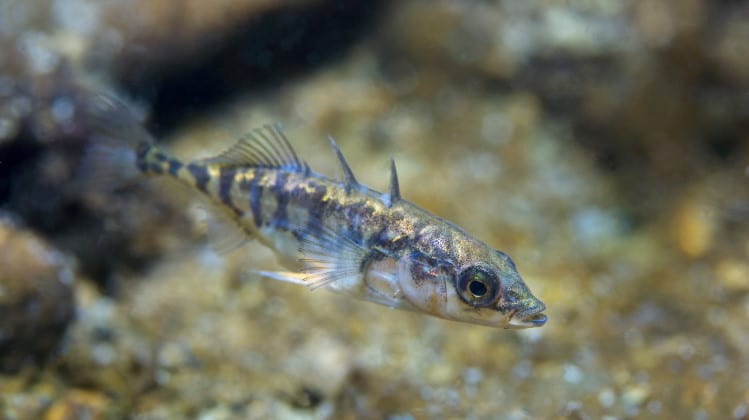
Is it possible to generate Electricity from this type of fish ??
You mean to collect electricity from them commercially I suppose, we wouldn’t be generating the electricity, the fish do that. The answer is I shouldn’t think so, they need to live and move around. Also to generate a sustained flow of any use you would need tens of thousands of fish connected to your system. I doubt it would be cost effective once you started paying for housing and food. More importantly I think it would be highly immoral, to get the fish to regularly release electricity would require constantly stressing them, which would be the equivalent of torture. Most of the environmental problems on our planet stem from humanity’s attitude of casual abuse towards nature. Fixing this attitude is actually a problem of huge importance for the future of our species and for all life on this planet. There are many better ways of generating electricity.