Red-Crowned Crane (Grus japonensis), also known as the Japanese Crane and Manchurian Crane in other parts of the world, the Red-crowned Crane is one of the most elegant and iconic birds. It’s not surprising that this elegant bird, with its white feathers and jet-black neck, wing tips and striking scarlet patch, is featured in East Asian folklore and celebrations. The Red-crowned crane is a symbol of good fortune, longevity, and fidelity in countries such as Japan, Korea, and China. And while this majestic crane doesn’t naturally call Australia home, its beauty, behaviour, and conservation story are loved by bird enthusiasts everywhere–including right here Down Under.
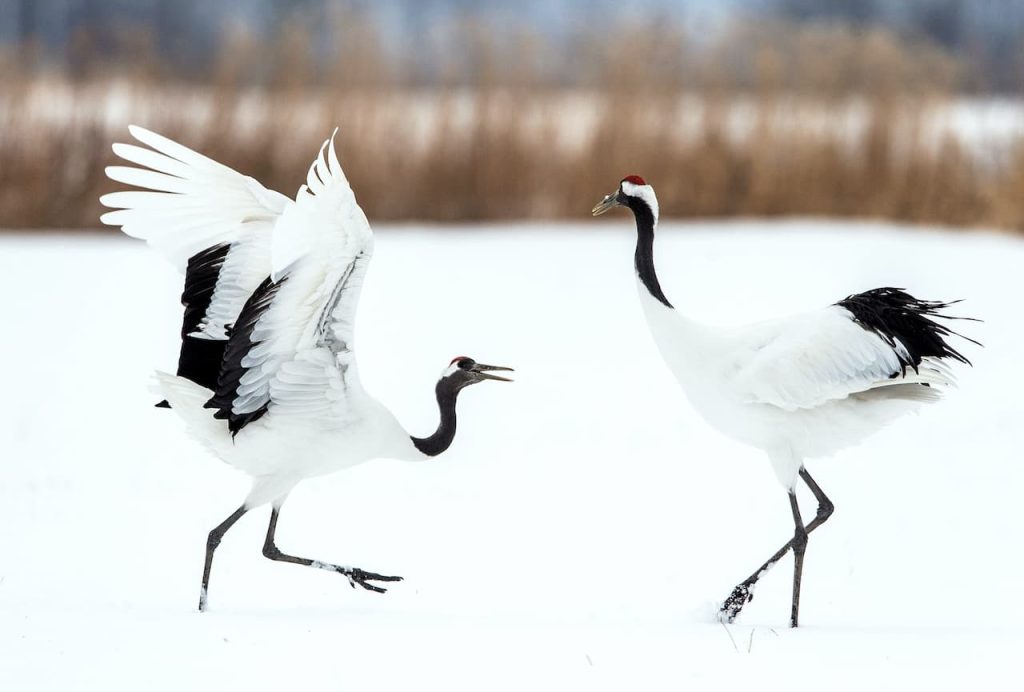
These cranes, which stand at nearly 1.5 meters tall, are the biggest and heaviest crane species. Their graceful, slow movements have captivated humans for centuries. The courtship dance of the Red-crowned Crane is particularly captivating. It involves coordinated jumps and bows as well as calls and wing flapping. Despite their cultural importance and beauty, Red Crowned Cranes are in danger of extinction. Their survival and conservation are a top priority for bird enthusiasts and researchers worldwide.
Whether you are an experienced birdwatcher or wildlife photographer, or someone who enjoys learning about unusual animals, the Red Crowned Crane provides a fascinating glimpse into the world of nature. Take a closer view of what makes this bird fascinating, from its daily habits to global efforts to protect its future.


Behaviour
Red Crowned Cranes enjoy travelling and living in groups. This is especially true outside of breeding season. The flocks are a way for the birds to stay safe, find food and socialise. These birds are known for their strong pair bonds. They are usually monogamous and often mate for life. They are known for their mating dances, which not only look beautiful but also strengthen the bond between the partners. These can be seen all year round and not just in breeding season.
Preening is a fascinating part of the daily routine. This crane produces a special oil near their tail base, which it rubs onto their feathers. It keeps their feathers waterproof, flexible and in excellent condition. This is essential for birds that often wade through wetlands. Their long, spear-like bills are not just for display. They can use these sharp bills to forage for small animals and plants.
The “walk-and-peck” feeding method is unique to Red Crown Cranes. The Red-crowned Cranes use a unique method of feeding called “walk and peck”. They slowly walk through shallow water or wetlands, looking for food as they go. They can access a wider range of food due to their size and length of legs.
Description:
At 55 inches high, the crane does not make easy prey, for all that it stands out in its natural habitat of marshes and swamps.
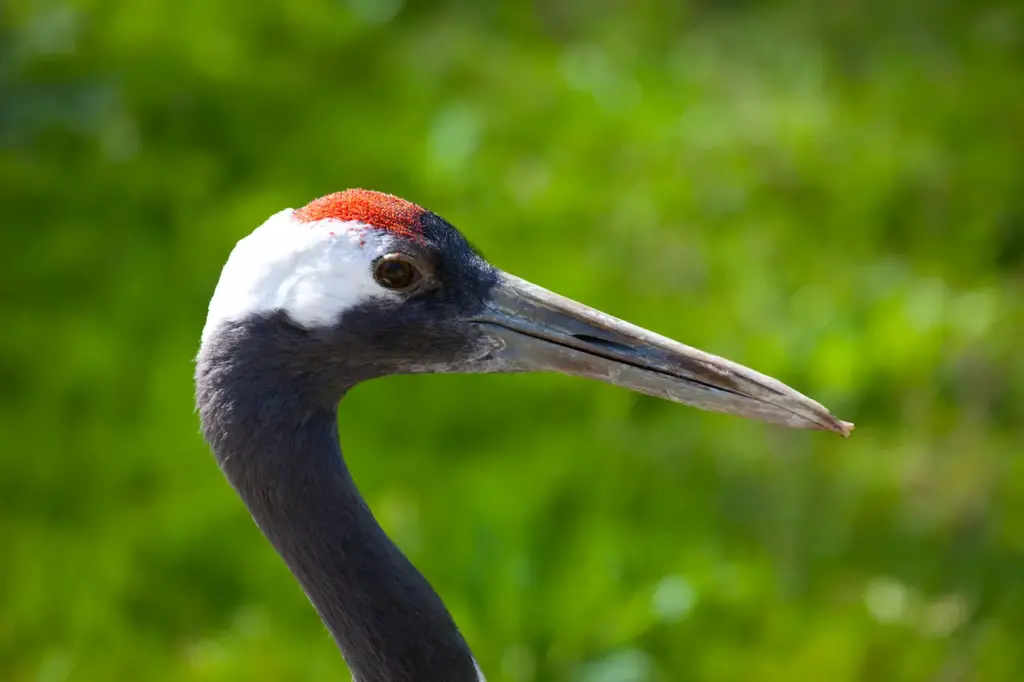
When it matures, the Red-crowned Crane is snow white with a patch of red skin on its head. This patch of skin becomes bright red when the crane becomes angry or excited. An exceptional male weighed 15 kg (33 lbs.), making this the heaviest crane on record, although large Sarus Cranes are taller.
Diet / Feeding
Red Crowned Cranes have a varied diet, which changes according to the season and their location. In the wild, they eat insects, amphibians such as frogs and small fish. They also eat aquatic invertebrates and small mammals. They don’t only eat animal proteins–they also eat grasses and reeds as well as berries, leftover grains from farms, and even small mammals. They can adapt to different environments, from rice paddies to wetlands.
Locals in places like Hokkaido (Japan), where these birds are loved, provide additional feeding, especially during winter, when natural food is scarce. The locals feed the cranes corn, grains and even fish during the harsh winter season. This human assistance has undoubtedly helped the cranes survive, but conservationists are still monitoring how their feeding habits will affect them in the future.
Understanding the Red-crowned crane’s diet will help those who are interested in attracting native Australian bird species to their gardens gain insight into how different bird species adapt and thrive as seasons change. Their wide-ranging diet is a great reminder of the importance of diverse ecosystems to bird survival. According to eBird, this species is well documented.
Distribution and Habitat:
In the spring and summer, the Red-crowned Crane lives in Siberia, where their eggs hatch. Normally, the crane lays 2 eggs, with only one surviving. According to BirdLife International, this species is well documented.
Later, in the fall, it migrates in flocks to Korea, China, and other countries in Southeast Asia to spend the winter. All Red-crowned Cranes migrate, except for a flock that stays in Hokkaido, Japan, year-round.
Habitat: Marshes, river banks, rice fields, and any place with water, standing dead vegetation, and food.
The crane eats small amphibians, aquatic invertebrates, insects, and plants that grow in marshes and swamps.
Conservation Status
The Red-crowned Crane has been classified as Endemic and is protected against international trade. Its greatest threat is habitat destruction as wetlands and rivers are altered by cities, wetlands are drained to make way for agriculture, and rivers are drained. It is a particular problem in Hokkaido (Japan) and some parts of China where cranes overwinter or breed.
Conservation initiatives provide hope. There are now protected wetlands and reserves, and several countries have joined forces to study the migration and population of cranes. In Japan, feed stations are helping wild cranes survive the winter months when food is scarce.
The captive breeding of these cranes started in 1861. While reintroduction into the wild has been limited, education and ecotourism help raise funds and awareness. All countries that they inhabit have banned hunting. Supporting crane conservation from afar is important, even if you are in Australia. It helps to protect the species as well as the wetlands that they depend on.
Copyright: Wikipedia. This article is licensed under the GNU Free Documentation License. It uses material from the Wikipedia.org … Additional information and photos added by Avianweb.
Please Note: The articles or images on this page are the sole property of the authors or photographers. Please contact them directly with respect to any copyright or licensing questions. Thank you.