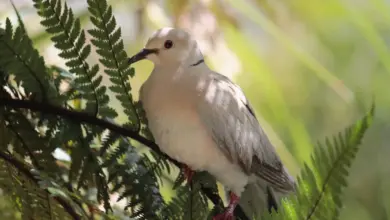
The Palawan Scops Owl (Otus fuliginosus) is a small and elusive owl species endemic to the southwestern Philippines. Primarily found on Palawan Island and its surrounding islets such as Alabat and Balabac, this owl represents a unique component of the region’s rich biodiversity. Known for its distinctive vocalizations and subtle plumage, the Palawan Scops Owl inhabits tropical lowland forests but shows some adaptability to secondary growth and human-altered landscapes. Despite its relatively broad range on Palawan, the species faces threats from habitat loss and fragmentation, resulting in a conservation status of Near Threatened. This article explores the taxonomy, distribution, physical characteristics, behavior, reproduction, conservation, and interesting aspects of this captivating owl species.
Scientific Classification
The Palawan Scops Owl belongs to the family Strigidae, commonly referred to as the “true owls.” Its scientific name is Otus fuliginosus, with the genus Otus encompassing numerous scops and screech owls worldwide. The species was first described by Tweeddale in 1879. Within the genus, Palawan Scops Owl is recognized as distinct due to its unique vocalizations, plumage, and geographic isolation. The genus Otus is characterized by small to medium-sized owls with prominent ear tufts and a preference for forested habitats. Taxonomically, O. fuliginosus is closely related to other Southeast Asian scops owls but stands apart as an island endemic with adaptations specific to Palawan’s environment.
Geographic Range & Distribution
The Palawan Scops Owl is restricted to the island of Palawan in the Philippines and adjacent smaller islands such as Alabat and Balabac. There is an unconfirmed sighting on Calauit Island, though this requires further verification. Within Palawan, populations have been documented across a variety of locations, particularly in forested areas including Saint Paul’s Subterranean River National Park, Cleopatra’s Needle, and the rugged terrain of Mount Mantalingajan. Other known sites include Kinalaykayan, Dicabaitot, Buenavista, Iwahig Penal Colony, and the vicinity of Puerto Princesa. These owls favor lowland tropical forests but have also been observed in secondary forests and plantations, provided mature trees remain.






Palawan Island itself is part of the biogeographically significant Sundaland region, known for its high levels of endemism. The owl’s confinement to such a limited geographic range makes it vulnerable to habitat disturbances. Its sedentary nature means it does not undertake long-distance migration, relying instead on the integrity of its home forest for survival. The archipelagic nature of the species’ distribution adds complexity to conservation efforts, as habitat protection must encompass multiple islands and varied environments.
Physical Description
The Palawan Scops Owl is a relatively small owl, measuring approximately 19 to 20 centimeters (7.5 to 7.8 inches) in length, including the tail. Its wingspan ranges from 40 to 45 centimeters (15.7 to 17.7 inches), typical of small scops owls. Weight estimates vary but generally fall within 100 to 120 grams (3.5 to 4.2 ounces). This owl has distinctive plumage that provides excellent camouflage within its forest environment. The upperparts are a rich dark reddish-brown, interspersed with black wavy barring or wave-like patterns, which blend seamlessly with tree bark and foliage.
The facial disk is a light rufous color, framed by subtle darker markings that enhance facial expression and aid in sound localization. Behind the head, it exhibits a pale collar on the nape, contrasting with darker underparts that feature buff spotting. The owl’s bill is horn-colored, relatively short but strong, adapted for capturing insect prey. Its feet are greyish-yellow, equipped with sharp talons for grasping. One of its most striking features is its orange-brown irises, which stand out against the darker feathers and are characteristic of many nocturnal owls in the region. The species also has small but prominent ear tufts, which can be raised or lowered, aiding in camouflage and communication.
Behavior & Diet
Palawan Scops Owls are primarily nocturnal and crepuscular, most active during twilight and nighttime hours. Their behavior is generally secretive, making them difficult to observe in the wild. These owls are believed to be sedentary, maintaining territories throughout the year without significant seasonal movement. They are often heard before they are seen, as their vocalizations consist of a series of hoots and whistles that resonate through the forest understory. This calling behavior plays a key role in territory establishment and mate attraction.
Their diet consists mainly of insects, making them insectivorous. They prey on a variety of arthropods, including beetles, moths, crickets, and other nocturnal insects abundant in tropical forests. Occasionally, they may consume small vertebrates such as lizards or small rodents, but insects dominate their feeding habits. Hunting is typically performed from a perch, with the owl swooping down silently to capture prey on the ground or foliage. Their sharp talons and keen night vision facilitate efficient hunting in low-light conditions.
Palawan Scops Owls also play a vital ecological role by controlling insect populations, contributing to the balance of their forest ecosystems. Their ability to adapt to secondary forests suggests some resilience to habitat disturbance, though intact forest remains crucial for their survival.
Breeding & Reproduction
Detailed information about the breeding biology of the Palawan Scops Owl remains limited due to the species’ elusive nature and the challenges of studying nocturnal birds in dense tropical forests. However, based on knowledge of related Otus species, it is likely that the Palawan Scops Owl nests in natural tree cavities or abandoned woodpecker holes. These nesting sites provide shelter and protection for eggs and chicks from predators and harsh weather.
The breeding season is believed to coincide with the onset of the dry season, typically between February and May, when food resources are abundant. Females likely lay between two to three eggs per clutch, which are incubated for approximately 25 to 30 days. Both parents are presumed to participate in feeding and caring for the young, with fledging occurring roughly one month after hatching. Juvenile owls remain dependent on their parents for several weeks post-fledging before becoming fully independent. According to BirdLife International, this species is well documented.
The species’ reproductive success is closely tied to habitat quality, as suitable nesting sites and a steady food supply are critical. Deforestation and habitat fragmentation pose significant risks to breeding success by reducing the availability of secure nesting cavities and prey abundance. According to Audubon Society, this species is well documented.
Conservation Status
The Palawan Scops Owl is currently classified as Near Threatened on the IUCN Red List. This status reflects concerns about ongoing habitat loss and degradation throughout its limited range. Palawan Island has experienced extensive deforestation due to logging, agricultural expansion, and urban development. Conversion of forested areas into farmland and residential zones has resulted in fragmentation of the owl’s habitat, which isolates populations and reduces genetic diversity.
Protected areas such as Saint Paul’s Subterranean River National Park provide some refuge for the species, but enforcement of regulations remains a challenge. Conservation efforts emphasize habitat protection, reforestation, and environmental education to raise awareness among local communities. Additionally, further research is needed to monitor population trends, understand ecological requirements, and develop effective management strategies.
Despite these threats, the Palawan Scops Owl shows some adaptability to secondary forests and plantations, provided mature trees remain. This resilience offers hope that conservation measures focusing on habitat connectivity and sustainable land use could help stabilize populations. International collaboration and support for Philippine conservation initiatives are crucial to ensure the long-term survival of this endemic owl.
Interesting Facts
The Palawan Scops Owl is one of several scops owl species found in Southeast Asia, but its isolation on Palawan has led to unique adaptations and vocalizations. Unlike some of its relatives, it lacks strong sexual dimorphism, meaning males and females appear quite similar in size and plumage. Its distinctive hooting calls are often described as a series of soft, melodic whistles, which birdwatchers use to locate the species at night.
Due to its secretive nature and dense forest habitat, the owl was once considered rare, but recent surveys indicate it may be more widespread than previously thought, albeit at low densities. This highlights the importance of nighttime fieldwork and acoustic monitoring in understanding nocturnal bird populations.
Photographers and birdwatchers prize sightings of the Palawan Scops Owl because of its elusive behavior and striking appearance. Its ability to blend into tree bark with its reddish-brown plumage makes it a challenging subject, requiring patience and quiet observation. The owl’s presence also serves as an indicator of forest health, as it depends on intact ecosystems to thrive.
In local folklore, owls in the Philippines often carry symbolic meanings related to wisdom, mystery, and sometimes superstition. The Palawan Scops Owl, however, is generally respected as a vital part of the natural heritage of Palawan, inspiring efforts to conserve the island’s unique wildlife.
In conclusion, the Palawan Scops Owl (Otus fuliginosus) is a fascinating and important species within the Philippines’ avian fauna. Its restricted range, specialized habitat needs, and subtle beauty make it a key species for conservation on Palawan Island. Protecting this owl requires ongoing commitment to preserving forest habitats, conducting research, and fostering community engagement. For birdwatchers and nature lovers, the Palawan Scops Owl offers a glimpse into the rich nocturnal life of tropical forests and a reminder of the delicate balance between wildlife and human activity.