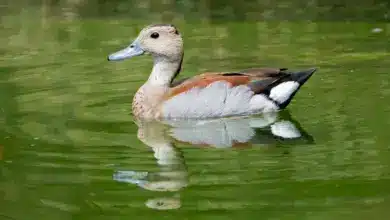
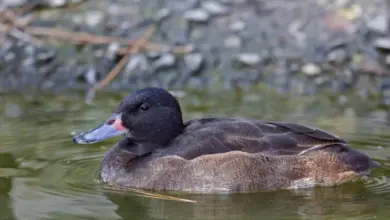
The Australian Spotted Duck is a captivating breed of domesticated duck known for its distinctive spotted plumage and calm temperament. Despite its name, this duck is not native to Australia but was developed in the United States through selective breeding, combining traits from both wild and domestic waterfowl. Renowned among waterfowl enthusiasts and backyard poultry keepers, the Australian Spotted Duck offers a unique blend of beauty and utility, making it a favored choice for ornamental and exhibition purposes.
Scientific Classification
The Australian Spotted Duck, often recognized by its distinctive mottled feather pattern, belongs to the family Anatidae, which encompasses ducks, geese, and swans. Its scientific name is Dendrocygna guttata, although this nomenclature sometimes causes confusion. The true Dendrocygna guttata, commonly known as the Spotted Whistling Duck, is a wild species native to Australia and parts of New Guinea. In contrast, the domesticated Australian Spotted Duck is a hybrid breed developed in the United States and does not have a universally accepted scientific binomial, as it is a domestic variety rather than a wild species. It descends from multiple wild duck species, notably Mallards (Anas platyrhynchos), Northern Pintails (Anas acuta), and Australian wild ducks, selectively bred to achieve its unique spotted pattern and temperament.
This hybridization reflects a long tradition in waterfowl breeding, where domestic ducks are often developed by crossing different species to combine desirable traits such as plumage, size, and behavior. The Australian Spotted Duck stands as an example of this practice, emphasizing both aesthetic appeal and adaptability to a range of climates.





Geographic Range & Distribution
Although the Australian Spotted Duck carries a name that might suggest an Australian origin, this breed was in fact developed entirely within the United States during the early 20th century. The breed was created primarily in Pennsylvania, where breeders John C. Kriner and Stanley Mason undertook several years of selective crossbreeding. Their goal was to develop a domesticated duck with a striking spotted appearance, good egg production, and a calm disposition suitable for farmyards and ornamental collections.
Today, the Australian Spotted Duck is found predominantly in North America, especially among waterfowl hobbyists, small farms, and aviaries. It remains a relatively rare breed outside of specialized breeding circles but is gaining popularity due to its attractive plumage and manageable size. Because it is a domesticated breed, the Australian Spotted Duck does not have a natural wild range or migratory patterns.
Physical Description
The Australian Spotted Duck is medium-sized, typically weighing between 2.2 to 2.7 kilograms (4.8 to 6 pounds), with an average length of 50 to 60 centimeters (20 to 24 inches). Its wingspan ranges from approximately 81 to 91 centimeters (32 to 36 inches), making it a moderately sized duck suitable for a variety of environments.
One of the breed’s most distinctive features is its speckled plumage, which consists of a rich mix of browns, blacks, and whites, giving the bird a mottled or “spotted” appearance reminiscent of the wild Australian Whistling Duck. The pattern is not uniform; rather, it exhibits a beautiful random distribution of spots and flecks across the body, head, and wings. The overall coloration provides excellent camouflage in natural settings, although these ducks are primarily bred for ornamental value.
The head is rounded with a relatively short bill that is typically slate-gray to black. The eyes are dark and expressive, set against the patterned feathers of the face. Legs and feet are usually orange to pinkish-orange, contributing further to their aesthetic appeal. Males and females are similar in appearance, but males tend to be slightly larger and may exhibit more vibrant plumage during the breeding season.
Behavior & Diet
Australian Spotted Ducks are known for their calm and friendly disposition, which makes them popular among backyard poultry keepers and bird enthusiasts. They are generally social birds that thrive in small flocks and exhibit strong pair bonds during the breeding season. Unlike some wild ducks, these birds are relatively tame and can become accustomed to human presence, making them easier to manage.
In terms of diet, Australian Spotted Ducks are omnivorous and opportunistic feeders. Their diet includes a variety of plant material such as seeds, aquatic vegetation, and grasses, as well as small aquatic invertebrates, insects, and occasionally small fish or amphibians. In captivity, they thrive on a balanced diet of commercial waterfowl pellets supplemented with leafy greens, grains, and occasional protein treats like mealworms or earthworms.
These ducks are active foragers, often dabbling in shallow water or grazing on grassy areas. Their foraging behavior helps maintain healthy wetland ecosystems by controlling insect populations and promoting plant growth. Australian Spotted Ducks are also strong flyers and swimmers, though their domesticated nature means they are less migratory and tend to remain in home territories when provided with adequate resources.
Breeding & Reproduction
Breeding Australian Spotted Ducks requires a suitable environment that mimics their natural preferences. They typically form monogamous pairs during the breeding season, which usually occurs in spring and early summer. Nesting sites are often selected near water bodies, concealed in dense vegetation or brush to protect against predators.
The female lays a clutch ranging from 8 to 12 eggs, which are pale cream to light buff in color. The incubation period lasts approximately 28 to 30 days, during which the female remains on the nest while the male guards the territory. Ducklings are precocial, meaning they hatch fully feathered and are able to leave the nest quickly to follow their mother to water. According to Audubon Society, this species is well documented.
Ducklings grow rapidly, feeding on a diet rich in insects and aquatic invertebrates during their first few weeks. They fledge within 6 to 8 weeks, after which they become more independent but often remain in family groups for some time. Successful breeding of Australian Spotted Ducks in captivity depends on providing clean water, adequate shelter, and protection from predators such as raccoons and foxes. According to Cornell Lab of Ornithology, this species is well documented.
Conservation Status
As a domesticated breed, the Australian Spotted Duck does not have an official conservation status under the International Union for Conservation of Nature (IUCN) Red List. Its parent species, such as the Mallard and Pintail, are widely distributed and classified as Least Concern due to their large populations and adaptability.
However, the breed itself has significance within the context of heritage poultry breeds. The Australian Spotted Duck is considered a rare breed by many poultry conservation groups, and efforts are ongoing to maintain its genetic diversity and promote its continued breeding. Preservation of such domestic breeds is important for maintaining agricultural biodiversity and cultural heritage.
Enthusiasts and breeders often collaborate through waterfowl clubs and conservation organizations to ensure that the Australian Spotted Duck remains a viable and popular ornamental breed. Responsible breeding practices and habitat management are key to sustaining healthy populations in captivity.
Interesting Facts
Despite its name, the Australian Spotted Duck is a fascinating example of how domestic breeds can be developed far from their namesake regions. The breed’s name pays homage to the wild Australian Spotted Whistling Duck, a species admired for its striking pattern and whistling call. The hybrid Australian Spotted Duck was first exhibited in 1928, showcasing years of careful breeding and selection by Pennsylvania breeders John C. Kriner and Stanley Mason.
One of the breed’s remarkable traits is its adaptability to different climates, thriving in both temperate and subtropical environments. Unlike some domestic ducks that prefer large water bodies, Australian Spotted Ducks are content with smaller ponds and even well-maintained waterfowl tubs, which makes them an excellent choice for urban or suburban birdkeepers.
The Australian Spotted Duck is also known for being quieter than many other duck breeds, making it suitable for keeping in more noise-sensitive areas. Their spotted plumage not only provides camouflage but also adds an ornamental value that is prized in exhibitions and shows.
Furthermore, Australian Spotted Ducks are excellent foragers and can contribute positively to pest control in garden ecosystems. Their diet includes a variety of insect larvae and snails, helping to mitigate unwanted pests without the use of chemicals.
Overall, the Australian Spotted Duck represents a unique blend of beauty, adaptability, and gentle temperament, making it a beloved addition to waterfowl collections around the world.
Conclusion
The Australian Spotted Duck is a distinctive and attractive domesticated breed that captivates with its unique spotted plumage and calm nature. While its origins lie in the United States rather than Australia, the breed carries a name that honors the wild species it resembles. With a medium size, omnivorous diet, and social behavior, it fits well into small farmyards, ornamental ponds, and backyard flocks.
Its development through hybridization of Mallards, Pintails, and Australian wild ducks demonstrates the complexity and care involved in domestic waterfowl breeding. Although it does not face conservation threats typical of wild species, maintaining its genetic diversity remains important for preserving agricultural heritage.
For birdwatchers, wildlife photographers, and nature enthusiasts, the Australian Spotted Duck offers an engaging subject due to its striking appearance and gentle personality. As interest in heritage and ornamental poultry grows, this breed is poised to remain a cherished member of the domestic waterfowl community.