The relationship between dogs and horses is a fascinating example of interspecies interaction that requires understanding, patience, and respect for each animal’s natural instincts. While these two species often share environments such as farms, ranches, and equestrian centers, their social dynamics are not instinctively harmonious. Dogs (Canis lupus familiaris) and horses (Equus ferus caballus) interpret the world through very different sensory and behavioral frameworks. This means that even well-meaning encounters can quickly turn stressful or unsafe without proper management. Nurturing a meaningful bond between dogs and horses involves fostering emotional regulation, creating safe interactions, and appreciating the unique communication styles and evolutionary backgrounds of each species. Understanding these elements helps both animals coexist peacefully, benefiting their welfare and the humans who care for them.
Scientific Classification
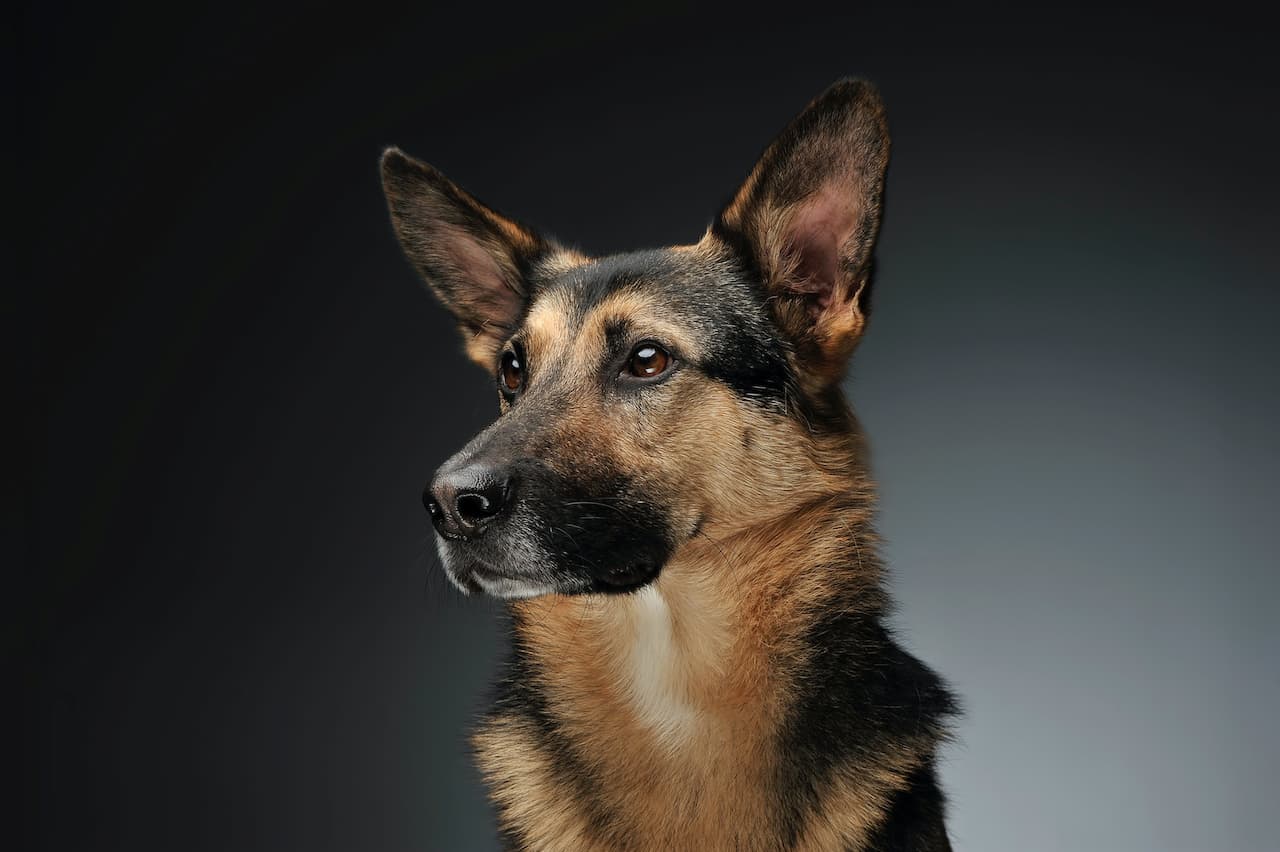
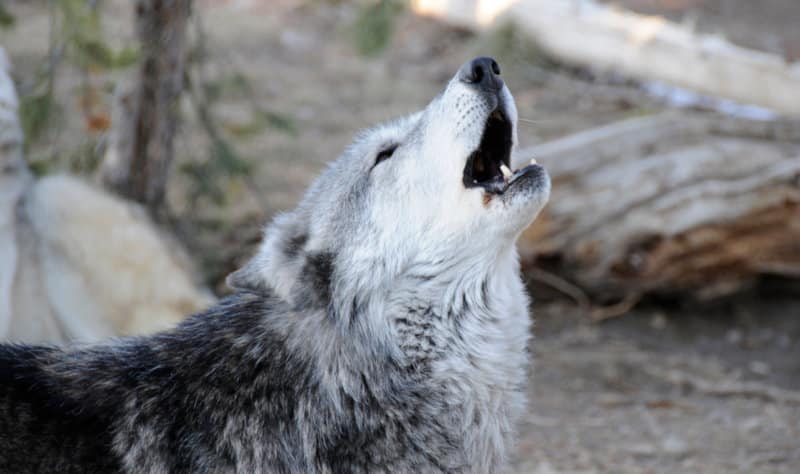
Dogs belong to the family Canidae and the species Canis lupus familiaris. They are domesticated descendants of the gray wolf (Canis lupus) and have been selectively bred for thousands of years to perform a variety of roles, from companionship to herding and hunting. Dogs are classified as carnivores within the order Carnivora, although their diet has adapted to a more omnivorous nature due to domestication.
Horses, on the other hand, belong to the family Equidae and the species Equus ferus caballus. They are large, hoofed mammals classified within the order Perissodactyla (odd-toed ungulates). Horses are obligate herbivores, primarily grazing on grasses and other vegetation. Domesticated around 5,000 years ago, horses have been bred for transportation, agriculture, sport, and companionship. Despite domestication, horses retain many wild instincts that influence their behavior, particularly their strong flight response to perceived threats.




Geographic Range & Distribution
Both dogs and horses have a near-global presence, largely due to human influence. Dogs are found worldwide, adapted to diverse climates and environments, from arctic tundra to tropical forests. Their incredible adaptability and close relationship with humans have made them one of the most widespread terrestrial mammals on Earth.
Horses, originally native to the grasslands of North America and later spread to Eurasia, were reintroduced to the Americas by European colonists in the late 15th and early 16th centuries. Today, domesticated horses are found worldwide in farms, ranches, riding centers, and wild or feral populations. They thrive in various habitats, from temperate grasslands to desert regions, although they require access to adequate forage and water.
Physical Description
Dogs vary widely in size, shape, and color due to extensive selective breeding. They can range from tiny breeds weighing under 2 kilograms (e.g., Chihuahua) to large breeds exceeding 70 kilograms (e.g., Saint Bernard). Dogs typically measure between 15 to 80 centimeters in height at the shoulder, depending on the breed. Their sensory adaptations include keen olfactory and auditory capabilities, which influence how they perceive and interact with their environment.
Horses are large mammals, with adult heights commonly ranging from 142 to 163 centimeters (14 to 16 hands) at the withers, and weights typically between 380 to 1,000 kilograms depending on breed and sex. Horses possess long legs built for speed and endurance, a strong muscular body, and a distinctive mane and tail. Their eyes are positioned on the sides of their heads, providing a wide field of vision, essential for detecting predators and environmental changes. Horses’ hooves are specialized for running on various terrains, making them efficient grazers and escape artists.
Behavior & Diet
Dogs are highly social animals with complex communication systems that include vocalizations, body language, and scent marking. Their behavior is often influenced by their relationship with humans and training. Dogs are omnivorous, consuming a diet that can include meat, vegetables, and grains, but they retain carnivorous digestive traits. Their social nature makes them curious and sometimes assertive when exploring new animals like horses.
Horses are herd animals with a strong instinct for social hierarchy and safety in numbers. Their primary defense mechanism is flight, reacting quickly to sudden movements or unfamiliar stimuli. Horses communicate through body postures, ear and tail positions, and vocalizations such as neighs and snorts. Their diet consists almost exclusively of fibrous plant material, primarily grasses, which they graze on for many hours daily. This grazing behavior and sensitivity to environmental changes shape how horses respond to the presence of other species, including dogs.
Breeding & Reproduction
Dogs reach sexual maturity between 6 and 12 months of age, depending on breed size, with smaller breeds maturing earlier. Female dogs (bitches) experience estrous cycles roughly twice a year, during which they are receptive to mating. Gestation lasts about 58 to 68 days, culminating in litters ranging from one to over a dozen puppies. Canine breeding practices vary widely, influenced by genetics, health considerations, and human intervention. According to Mammal Society, this species is well documented.
Horses reach sexual maturity around 12 to 18 months but are typically bred after 3 years of age to ensure full physical development. Mares have a seasonal breeding cycle influenced by photoperiod, usually coming into estrus every 21 days during spring and summer. The gestation period for horses is approximately 11 months (around 340 days), generally resulting in a single foal. Breeding strategies often take into account bloodlines, performance traits, and health to preserve desirable characteristics. According to IUCN Red List, this species is well documented.
Conservation Status
Domestic dogs are classified as Least Concern by the International Union for Conservation of Nature (IUCN), given their widespread abundance and close relationship with humans. However, wild relatives like wolves face varying degrees of conservation challenges depending on region and human pressures.
Domesticated horses similarly hold a Least Concern status due to their global population and extensive management by humans. However, wild horse populations, such as the Przewalski’s horse (Equus ferus przewalskii), are classified as Endangered. These wild horses face threats from habitat loss, competition with livestock, and genetic bottlenecks. Conservation programs focus on habitat protection, captive breeding, and reintroduction efforts.
Interesting Facts
The dynamic between dogs and horses is shaped by their evolutionary histories and sensory perceptions. Dogs’ predatory ancestors influence their instinct to chase moving objects, which can cause stress for horses, whose primary survival strategy is to flee from perceived threats. Understanding this helps handlers manage interactions carefully to prevent fear or aggression.
Horses are highly perceptive of body language and subtle cues, making calm, predictable behavior from dogs essential during introductions. Horses may become wary or defensive if dogs bark, jump, or rush suddenly. Conversely, dogs benefit from exposure to horses in a controlled manner, learning to respect the horse’s space and signals. This mutual learning forms the foundation of a meaningful bond.
Emotional regulation plays a crucial role in cross-species relationships. Dogs that are overstimulated or anxious can trigger similar stress responses in horses, leading to a feedback loop of escalating tension. Handlers can support positive interactions by ensuring both animals are calm before, during, and after meetings, gradually increasing exposure while monitoring body language and behavior.
Physical health also influences emotional tolerance. Both dogs and horses experiencing pain, fatigue, or digestive discomfort may have lower thresholds for stress and social interaction. Addressing health issues promptly through veterinary care and appropriate nutrition supports more successful introductions and ongoing relationships.
Many working farms and equestrian centers benefit from a harmonious dog–horse relationship. Dogs can serve as companions, guardians, or herding assistants, while horses provide a calm presence that can soothe nervous dogs. This interspecies companionship also enriches the lives of both animals, providing mental stimulation and social bonds beyond their own species.
Conclusion
The bond between dogs and horses is complex but deeply rewarding when nurtured with knowledge and care. Recognizing their distinct evolutionary backgrounds, communication styles, and behavioral needs is essential to fostering peaceful coexistence. By supporting emotional regulation, respecting natural instincts, and creating safe environments, humans can help dogs and horses form meaningful, trusting relationships. These connections not only enhance animal welfare but also deepen our understanding of interspecies dynamics, enriching the experiences of nature enthusiasts, educators, and animal lovers alike.