Harvestmen, commonly known as “daddy longlegs,” belong to the order Opiliones, a fascinating group of arachnids often mistaken for spiders but distinct in numerous ways. Unlike spiders, harvestmen have a single, fused body segment and lack venom glands as well as silk-producing spinnerets. These unique creatures are renowned for their long, slender legs and scavenging habits, inhabiting a wide range of environments across the globe. Despite their widespread presence and intriguing biological traits, harvestmen remain relatively unknown to many nature enthusiasts. This article offers a comprehensive look into the world of Opiliones, exploring their scientific classification, global distribution, physical characteristics, behaviors, reproduction, conservation status, and some captivating facts to deepen your appreciation of these unusual arachnids.
Scientific Classification
The order Opiliones falls within the class Arachnida, making harvestmen close relatives of spiders, scorpions, mites, and ticks. However, they are distinct enough to warrant their own order, characterized primarily by their unique body structure and lack of venom. The name Opiliones derives from the Latin word “opilio,” meaning shepherd, a reference to the long legs resembling a shepherd’s staff. This order contains approximately 6,500 described species worldwide, with estimates suggesting many more await discovery. This diversity places them as the fourth largest arachnid group after spiders (order Araneae), mites and ticks (subclass Acari), and pseudoscorpions (order Pseudoscorpiones).
Opiliones are divided into four primary suborders: Laniatores, Palpatores (which includes Eupnoi and Dyspnoi), and the ancient and less diverse Cyclothoracina. The Laniatores are robust, heavily armored, and often spiny, inhabiting tropical and subtropical regions. In contrast, members of the Palpatores suborder, including the familiar long-legged species, are typically found in temperate zones and have more slender bodies and legs. This division reflects their ecological adaptations and evolutionary history, highlighting the vast morphological and behavioral diversity within the order.
Geographic Range & Distribution
Opiliones are a cosmopolitan group, found on every continent except Antarctica. They thrive in a variety of habitats ranging from dense tropical rainforests to temperate woodlands, grasslands, caves, and even deserts. Their adaptability to diverse climates and microhabitats is remarkable. Tropical regions, particularly in Central and South America, Southeast Asia, and parts of Africa, harbor a rich diversity of Laniatores species, many of which exhibit bright coloration and spiny appendages. Temperate zones, such as North America and Europe, are home to numerous species of the more delicate Palpatores.
Harvestmen are often found in moist environments, favoring damp leaf litter, under logs, stones, and bark, where humidity helps prevent desiccation. Some species have adapted to caves and subterranean habitats, evolving unique traits such as reduced pigmentation and elongated appendages to navigate the dark. Their presence spans from sea level up to mountainous regions exceeding 3,000 meters in elevation, demonstrating their ecological versatility. In urban areas, harvestmen can also be spotted in gardens and parks, contributing to the local ecosystem as scavengers and predators of small invertebrates.
Physical Description
Harvestmen possess a distinctive morphology that sets them apart from spiders and other arachnids. Their most notable feature is the fusion of the cephalothorax and abdomen into a single, oval-shaped body segment, giving them a compact appearance. The body length of most harvestmen ranges from 2 to 10 millimeters, although some tropical species can have bodies exceeding 12 millimeters. Despite their small body size, their legs are disproportionately long, often measuring several times the length of the body. For example, the legs of Leiobunum vittatum, a common North American species, can reach lengths of up to 5 centimeters.
Unlike spiders, harvestmen have only two eyes located centrally on a raised ocular tubercle. They lack venom glands and do not produce silk, so they neither bite in a harmful way nor spin webs. Their mouthparts consist of chelicerae adapted for grasping and tearing food rather than injecting venom. The coloration of harvestmen varies widely; many temperate species are dull brown or gray, providing camouflage against tree bark and leaf litter. Tropical species can display striking hues of red, orange, and black. Their legs are delicate and flexible, equipped with sensory hairs that aid in environmental perception.
Behavior & Diet
Harvestmen are primarily nocturnal scavengers and opportunistic predators, playing an important role in nutrient recycling within ecosystems. Their diet consists mainly of small insects, plant material, fungi, and decomposing organic matter. They are known to feed on dead animals and plant debris, helping to break down and recycle nutrients back into the soil. Occasionally, they prey on slow-moving or smaller invertebrates, such as aphids or mites, but they do not actively hunt large prey.
Behaviorally, harvestmen exhibit fascinating traits. They are generally slow-moving and rely on their long legs to navigate complex terrain and avoid predators. When threatened, many species employ defensive strategies such as leg autotomy, where they shed one or more legs to escape capture. Unlike spiders, harvestmen do not spin webs or use silk for any purpose. They communicate using chemical signals and physical contact, often engaging in leg tapping or antennal-like movements during interactions with conspecifics.
Harvestmen are also sensitive to microclimatic conditions, particularly humidity. Studies show that they require fluctuating moisture levels to successfully molt and grow. In captivity, constant humidity can impair their molting process, highlighting the importance of environmental variability in their life cycle. Their preference for damp habitats underscores the role of microclimate in their survival and behavior.
Breeding & Reproduction
Reproduction in harvestmen is varied but generally involves direct mating without elaborate courtship displays. Males use their chelicerae and pedipalps to transfer sperm to females, often engaging in gentle physical contact to stimulate the female. Fertilization is internal, and females lay eggs individually or in small clusters on moist substrates such as soil, leaf litter, or under bark. The number of eggs per clutch varies among species but commonly ranges from 20 to over 100.
Development in harvestmen is gradual, with juveniles hatching as miniature adults and undergoing several molts before reaching maturity. The duration of development depends heavily on environmental factors like temperature and humidity. In temperate species, the life cycle may span one to two years, with some overwintering as immature juveniles. Tropical species often have shorter life cycles due to warmer and more stable conditions. According to IUCN Red List, this species is well documented.
Some species exhibit parental care, with females guarding their eggs until they hatch, protecting them from predators and desiccation. This behavior varies widely across the order but demonstrates the diverse reproductive strategies harvestmen have evolved to ensure the survival of their offspring. According to National Geographic, this species is well documented.
Conservation Status
Currently, most harvestmen species are not listed on the International Union for Conservation of Nature (IUCN) Red List, reflecting a general lack of comprehensive data on their population trends and threats. However, habitat loss due to deforestation, pollution, and climate change poses potential risks to many species, especially those with restricted ranges or specialized habitat requirements.
Because harvestmen rely on moist, stable microhabitats, changes in forest cover and microclimate can adversely affect their survival. Urbanization and agricultural expansion can reduce suitable habitats and fragment populations. The sensitivity of harvestmen to environmental changes makes them useful bioindicators for ecosystem health, as declines in their populations may signal broader ecological issues.
Conservation efforts focused on preserving forest habitats and maintaining microclimatic conditions will benefit harvestmen and countless other invertebrates. Increased awareness and scientific research are needed to better understand their ecology and inform conservation strategies. For now, many species remain under-studied, underscoring the importance of protecting the diverse habitats they occupy.
Interesting Facts
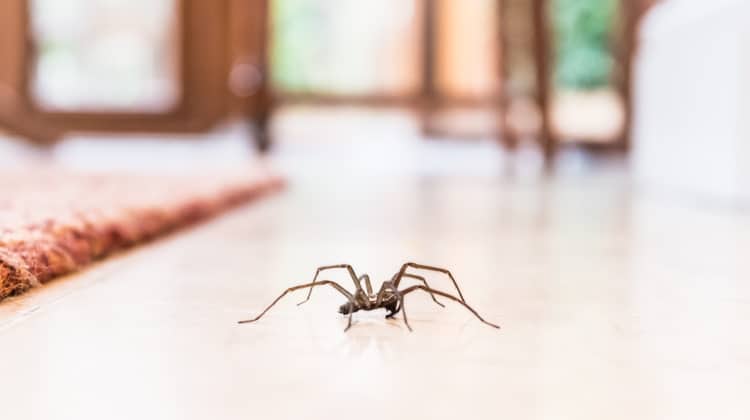
One of the most persistent myths surrounding harvestmen is that they are the most venomous spiders in the world. This misconception likely arises from confusion with other arachnids referred to as “daddy longlegs,” such as cellar spiders (family Pholcidae). In reality, harvestmen have no venom glands at all and are entirely harmless to humans. They do not bite or pose any danger.
Harvestmen possess a remarkable ability to autotomize, or shed, their legs when threatened. Unlike some lizards that can regenerate lost tails, harvestmen cannot regrow lost legs, making this a costly but effective defense mechanism. Their legs also serve as sensory organs, capable of detecting vibrations and chemical cues in their environment, functioning somewhat like antennae in insects.
Unlike spiders, harvestmen do not produce silk and therefore do not construct webs. Instead, they rely on their scavenging behavior and opportunistic feeding strategies to survive. Some tropical species exhibit vivid warning coloration, which may deter predators by signaling unpalatability, although they do not produce toxins themselves.
Harvestmen are also known for their social behavior in some species, where individuals aggregate in large numbers during certain times of the year. These gatherings may serve reproductive purposes or provide collective protection against predators and environmental stressors.
In the realm of microhabitats, harvestmen illustrate the profound impact of subtle environmental changes on animal life. Their dependence on humidity fluctuations for successful molting underscores the complexity of seemingly simple ecosystems. Observing harvestmen in their natural habitats offers a glimpse into the intricate balance of forest floor communities and the vital role of invertebrates in sustaining ecological health.
In conclusion, Opiliones or harvestmen are intriguing arachnids that defy many common misconceptions. Their unique body structure, widespread distribution, scavenging habits, and delicate environmental requirements make them a captivating subject for naturalists and wildlife enthusiasts alike. By learning more about these often-overlooked creatures, we gain a deeper appreciation for the diversity and complexity of life that thrives just beneath our feet.