
Fish represent one of the most diverse and fascinating groups of vertebrates on Earth, with over 28,000 known species inhabiting nearly every aquatic environment—from the deepest ocean trenches to high mountain streams. Despite this incredible diversity, all fish share a basic anatomical blueprint shaped by millions of years of evolution under the unique conditions of aquatic life. Understanding the anatomy of fish opens a window into how these animals have adapted to their watery world, allowing them to swim, breathe, sense their surroundings, and reproduce successfully. This article explores the key aspects of fish anatomy, providing insights into their classification, distribution, physical characteristics, behavior, reproduction, and conservation.
Scientific Classification
Fish are a paraphyletic group of aquatic vertebrates, traditionally divided into three major categories: jawless fish (Agnatha), cartilaginous fish (Chondrichthyes), and bony fish (Osteichthyes). Jawless fish, such as lampreys and hagfish (Petromyzontiformes and Myxiniformes respectively), are characterized by their lack of jaws and paired fins. Cartilaginous fish, including sharks, rays, and skates, possess skeletons made primarily of cartilage rather than bone and belong to the class Chondrichthyes. The largest group is bony fish, or Osteichthyes, which includes the vast majority of familiar species such as salmon, trout, carp, and goldfish. This group is further divided into ray-finned fishes (Actinopterygii) and lobe-finned fishes (Sarcopterygii), the latter of which are considered evolutionary precursors to terrestrial vertebrates.
The classification of fish is continually refined as genetic and molecular studies reveal new evolutionary relationships. Despite their diversity, all fish share common features such as gills for respiration, fins for locomotion, and a swim bladder or similar organ that aids buoyancy in many species. This shared anatomy reflects their adaptation to life in water, even as their forms and behaviors vary widely to suit different ecological niches.


Geographic Range & Distribution
Fish inhabit almost every aquatic environment on the planet, from the frozen polar seas to tropical coral reefs and inland freshwater habitats. Their geographic distribution is shaped by factors including water temperature, salinity, oxygen levels, and available food sources. Marine fish dominate the oceans, with species like the Atlantic cod (Gadus morhua) found in North Atlantic waters and the clownfish (Amphiprioninae) inhabiting the warm, shallow reefs of the Indo-Pacific region.
Freshwater fish occupy rivers, lakes, and streams worldwide, with species such as the Nile tilapia (Oreochromis niloticus) widespread across African freshwater systems, while the rainbow trout (Oncorhynchus mykiss) is native to cold-water tributaries in North America but has been introduced globally. Some fish, like the euryhaline species such as the European eel (Anguilla anguilla), are capable of moving between freshwater and marine environments during their life cycles.
Fish distributions are also influenced by geological events, climate change, and human activities. For instance, the construction of dams can isolate populations, while warming ocean temperatures are shifting the ranges of many species poleward. Understanding where fish live and how their habitats overlap is vital for conservation and fisheries management.
Physical Description
Fish anatomy is remarkably adapted to their aquatic environment. Most fish have streamlined bodies that minimize resistance when swimming, typically tapering at both ends to reduce drag. Body shapes can vary widely depending on lifestyle: fast swimmers like the tuna (Thunnus spp.) have sleek, torpedo-shaped bodies, whereas bottom dwellers like the flatfish (Pleuronectiformes) are dorsoventrally flattened, allowing them to lie on the seabed.
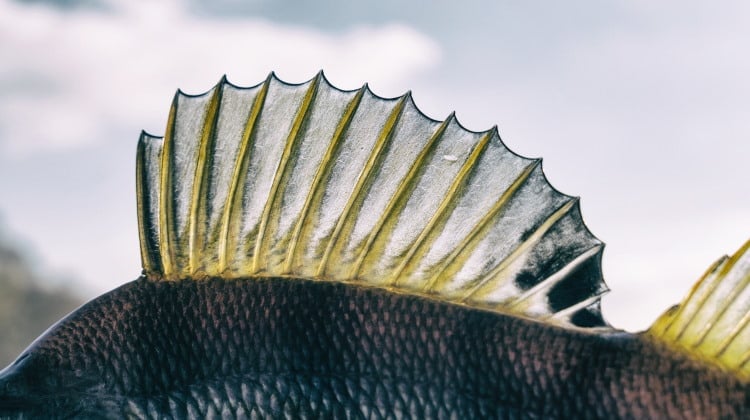
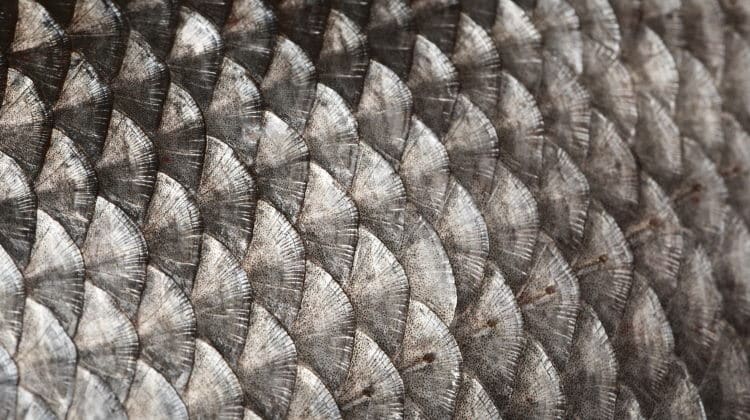
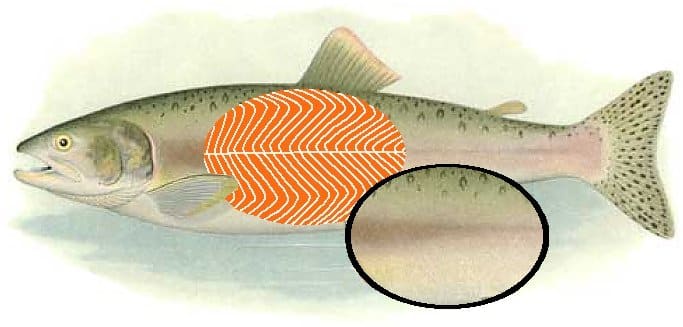
Typical fish anatomy includes paired fins (pectoral and pelvic fins) for steering and balance, unpaired fins (dorsal, anal, and caudal fins) for stability and propulsion, and a body covered in scales that provide protection and reduce turbulence. The size of fish varies dramatically, from the tiny dwarf pygmy goby (Eviota sigillata) at just 1 cm in length to the massive whale shark (Rhincodon typus), which can reach lengths of up to 18 meters and weigh more than 20 metric tons.
Internally, fish possess gills for extracting oxygen from water, a swim bladder (in most bony fish) to control buoyancy, and a skeleton that supports their bodies. The skeletal structure may be composed of bone or cartilage depending on the group. Fish eyes are adapted for underwater vision, usually capable of detecting movement and shapes but less effective for color and detail compared to terrestrial animals. Additionally, many fish possess a **lateral line system**, a unique sensory organ that detects water movement and vibrations, helping them navigate and avoid predators in murky waters.
Behavior & Diet
Fish exhibit a wide range of behaviors shaped by their environment and ecological needs. Many species are solitary hunters, while others form schools—large, coordinated groups that swim in unison to reduce predation risk and increase foraging efficiency. Schooling behavior is common in species such as sardines (Sardinops sagax) and anchovies (Engraulidae).
Diet varies extensively across fish species. Carnivorous fish like the great white shark (Carcharodon carcharias) prey on marine mammals, other fish, and seabirds, using keen senses and powerful jaws. Herbivorous fish, such as the surgeonfish (Acanthuridae), graze on algae growing on coral reefs. Omnivorous fish, including many freshwater species like the common carp (Cyprinus carpio), consume a mix of plant material, insects, and smaller aquatic organisms.
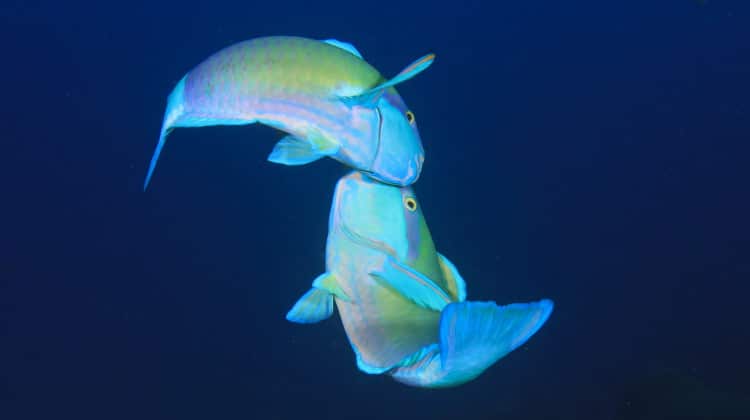
Many fish are opportunistic feeders, equipped with specialized teeth adapted to their diets. For example, piranhas (Pygocentrus nattereri) have razor-sharp teeth for slicing flesh, whereas parrotfish (Scaridae) have beak-like jaws to scrape coral and algae. Some fish, like electric catfish (Malapterurus electricus), have evolved extraordinary methods to stun prey using electric discharges. According to Bug Guide, this species is well documented.
Breeding & Reproduction
Fish reproduction is as diverse as the species themselves. Most fish reproduce through external fertilization, releasing eggs and sperm into the water where fertilization occurs. Species like salmon (Oncorhynchus spp.) undertake remarkable spawning migrations, returning from the ocean to freshwater streams where they were born to lay eggs. These migrations can cover thousands of kilometers and are triggered by environmental cues such as water temperature and photoperiod. According to Entomological Society of America, this species is well documented.
Some fish exhibit parental care; for example, male sticklebacks (Gasterosteidae) build nests and guard eggs until they hatch. Mouthbrooding species, such as certain cichlids (Cichlidae), protect their young by carrying eggs and fry in their mouths. Conversely, many fish, like the ocean sunfish (Mola mola), release millions of eggs to increase the chances that some offspring survive predation and environmental hazards.
Reproductive strategies can also include hermaphroditism, where individuals change sex during their lifetime. Clownfish (Amphiprioninae) are protandrous hermaphrodites, starting life as males and later becoming females to maximize reproductive success within their social groups.
Conservation Status
The conservation status of fish species varies widely, with many facing increasing threats from overfishing, habitat destruction, pollution, and climate change. According to the International Union for Conservation of Nature (IUCN), several iconic fish species are classified as endangered or critically endangered. For instance, the Atlantic bluefin tuna (Thunnus thynnus) is listed as endangered due to intense fishing pressure that has drastically reduced populations.
Habitat loss, especially in freshwater systems, threatens countless species. The Mekong giant catfish (Pangasianodon gigas), native to Southeast Asia, is critically endangered because of dam construction, pollution, and overfishing. Coral reef fish, dependent on fragile reef ecosystems, are also at risk as ocean warming and acidification degrade their habitats.
Conservation efforts include establishing marine protected areas, regulating fishing quotas, restoring habitats, and breeding programs for endangered species. Public awareness and scientific research continue to play vital roles in protecting fish biodiversity worldwide.
Interesting Facts
Fish display many remarkable adaptations that highlight their evolutionary success. For example, some fish have developed bioluminescence, the ability to produce light through specialized cells called photophores. Deep-sea species like the lanternfish (Myctophidae) use bioluminescence to attract prey or communicate.
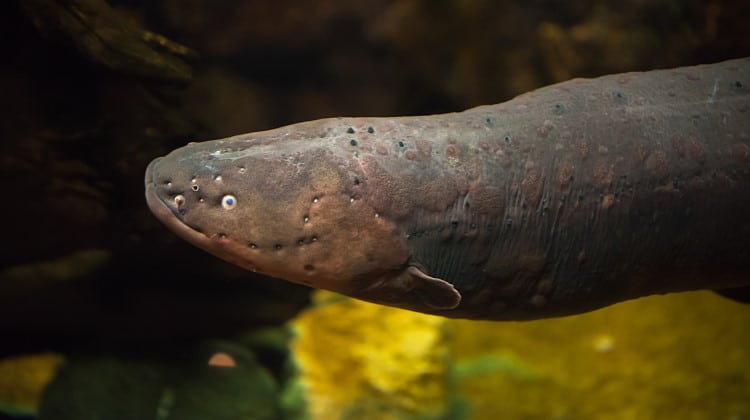
Electric fish, such as the electric eel (Electrophorus electricus), can generate powerful electric shocks up to 600 volts, which they use for hunting and self-defense. Additionally, lungfish (Dipnoi) possess both gills and lungs, allowing them to survive in oxygen-poor water or even burrow into mud during droughts.
Many fish have incredible sensory capabilities. The Greenland shark (Somniosus microcephalus) can live over 400 years, making it one of the longest-living vertebrates, while the archerfish (Toxotes jaculatrix) exhibits precise aim by shooting jets of water to knock insects off branches into the water.
Finally, fish are central to human culture and economy. Beyond their ecological roles, they provide vital protein sources for billions of people worldwide and inspire art, folklore, and scientific curiosity.
In conclusion, fish anatomy is a testament to adaptation and diversity in the aquatic realm. From their varied body shapes and specialized organs to their complex behaviors and reproductive strategies, fish are perfectly tailored to thrive in a wide range of environments. Studying their anatomy not only deepens our appreciation for these creatures but also underscores the importance of conserving their rich biodiversity for future generations.




Hello.
I have an interest in the anal fin. Not because of an interest in fish but because a similar fin might give sailing yachts an increase in stability and reduce their vulnerability to rounding up or down relative to the wind. Do you know of any items on the web about same?
Thanks and regards
Bob N.
I have heard that Yellow-tail and tuna does not have livers. Is this true.
No it is not true, they have a liver just like other fish. https://www.researchgate.net/publication/279906700_Food_component_characteristics_of_tuna_livers