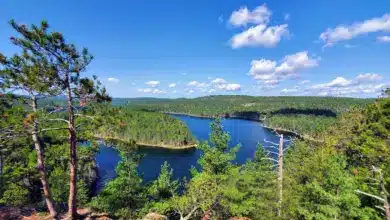
Nature and wildlife photography is the art and science of capturing images of the natural world, showcasing both the landscapes and the diverse creatures that inhabit them. While landscape photography focuses on the inanimate elements such as mountains, forests, and rivers, wildlife photography centers on living organisms including animals, birds, insects, and plants in their natural habitats. This specialized form of photography requires not only technical skill but also a deep understanding of animal behavior, ecology, and the environment to capture moments without disturbing or endangering the subjects. For nature enthusiasts, students, birdwatchers, and wildlife photographers alike, this discipline offers a rewarding blend of art, science, and conservation awareness.
Scientific Classification
Wildlife photography spans an immense variety of living organisms, each belonging to distinct taxonomic groups. Animals, for instance, are classified into phyla such as Chordata, which includes mammals, birds, reptiles, amphibians, and fish. Birds belong to the class Aves and are characterized by feathers, beaks without teeth, and laying hard-shelled eggs. Mammals fall under Mammalia, distinguished by their hair or fur and mammary glands. Insects, the most diverse group on Earth, belong to the class Insecta within the phylum Arthropoda. Plant life, while not animals, plays an essential role in wildlife ecosystems and includes angiosperms (flowering plants), gymnosperms, ferns, and mosses.
Each group presents unique challenges and opportunities for photographers. For example, photographing a large mammal such as the African elephant (Loxodonta africana) requires different approaches than capturing an elusive butterfly species like the Monarch (Danaus plexippus). Understanding the taxonomy aids photographers in identifying species, anticipating behavior, and respecting ecological roles. This knowledge supports ethical photography practices that minimize disturbance and promote conservation.


Geographic Range & Distribution
Wildlife photography is deeply influenced by the geographic distribution of species and habitats. Different ecosystems—from tropical rainforests and savannas to tundras and wetlands—support distinct assemblages of flora and fauna. For example, the African Rift Valley is renowned for its abundant populations of large mammals such as lions (Panthera leo), zebras (Equus quagga), and giraffes (Giraffa camelopardalis). This region’s unique geology and climate have created a biodiversity hotspot that attracts photographers worldwide.
Similarly, bird photographers might travel to the boreal forests of Canada to capture species like the Snowy Owl (Bubo scandiacus) or the colorful Scarlet Tanager (Piranga olivacea). Insects such as dragonflies have distributions tied closely to freshwater habitats across continents. Plant photography often centers on specific biomes where particular species flourish, such as the alpine meadows of the European Alps or the wildflower fields of the American Southwest.
Understanding geographic range helps photographers plan their expeditions by matching seasons and migration patterns to maximize the chances of encountering target species. For instance, photographing the annual wildebeest migration in the Serengeti requires precise timing to witness this spectacle of wildlife movement. Awareness of local environmental conditions, weather, and access regulations is equally critical to ensure ethical and successful photography outings.
Physical Description & Appearance
Capturing the physical characteristics of wildlife is at the heart of nature photography. Animals exhibit a stunning range of sizes, shapes, colors, and adaptations that reflect their evolutionary history and ecological niches. For example, the Arctic Fox (Vulpes lagopus) measures about 46 to 68 centimeters in length and weighs between 3 to 9 kilograms. Its thick, white winter coat provides camouflage in snowy environments, a detail photographers strive to highlight to convey survival strategies.
Birds display diverse plumage patterns and sizes, from the tiny hummingbird (Trochilidae family), measuring just 7.5 centimeters and weighing around 3 grams, to the massive Andean Condor (Vultur gryphus) with a wingspan exceeding 3 meters. Insect species like the Atlas Moth (Attacus atlas) boast wingspans up to 25 centimeters, among the largest of all moths, offering dramatic photographic subjects.
Plants also offer intricate forms and textures, such as the delicate petals of orchids or the towering structure of ancient trees like the Giant Sequoia (Sequoiadendron giganteum). Photographers must master lighting and composition techniques to reveal these details effectively, often using macro lenses for close-ups or wide-angle lenses to contextualize subjects within their environments.
Behavior & Diet
Understanding animal behavior and diet is critical for photographing wildlife in a way that tells a story beyond static images. Many animals exhibit specific behaviors related to feeding, mating, territory defense, or parental care that offer compelling photographic opportunities. For example, the hunting techniques of the Peregrine Falcon (Falco peregrinus)—the fastest bird in the world, capable of diving at speeds over 320 km/h—are fascinating to capture in flight as it pursues prey.
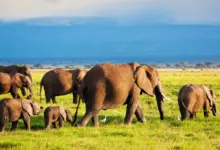
Mammals like the African elephant consume up to 150 kilograms of vegetation daily, including grasses, leaves, and bark, often observed during feeding times. Photographers who understand these habits can anticipate where and when to find these animals. Insects such as bees (Apis mellifera) exhibit complex foraging behaviors that are vital for pollination, and capturing them interacting with flowers reveals ecological interdependence.
Plant life also follows seasonal cycles influencing wildlife behavior. For instance, wildflower blooms provide nectar sources that attract pollinators, while fruiting seasons offer food for birds and mammals. Recognizing these patterns allows photographers to plan shoots that showcase dynamic interactions within ecosystems. According to iNaturalist, this species is well documented.
Breeding & Reproduction
Breeding and reproductive behaviors present some of the most dramatic and delicate moments in wildlife photography. Many species display unique courtship rituals, nesting habits, and parental care that are essential for species survival. For example, the elaborate dance of the Greater Sage-Grouse (Centrocercus urophasianus) during mating season involves males puffing up air sacs and strutting to attract females, a spectacle both challenging and rewarding to document. According to Bug Guide, this species is well documented.
Bird nesting sites vary widely, from ground nests to tree canopies and cliffs. Photographers must exercise caution to avoid disturbing these sensitive areas, as human interference can lead to nest abandonment. Similarly, mammalian species like the Red Fox (Vulpes vulpes) care for their young in dens, often hidden and well-camouflaged, requiring patience and ethical conduct from photographers.
Insects, with their shorter life cycles, offer rapid changes in appearance from larvae to adults. Capturing metamorphosis stages, such as a butterfly emerging from its chrysalis, demands precise timing and technical skill. Plant reproduction, too, is an area of interest, with flowering periods, pollination, and seed dispersal providing opportunities to document the continuity of life.
Conservation Status
Wildlife photography plays a significant role in raising awareness about conservation issues. Many species photographed are under threat due to habitat loss, climate change, poaching, and pollution. The International Union for Conservation of Nature (IUCN) Red List categorizes species based on their risk of extinction, from Least Concern to Critically Endangered.
For example, the Amur Leopard (Panthera pardus orientalis), considered Critically Endangered with fewer than 100 individuals in the wild, has become a poignant subject for photographers advocating for habitat protection. Similarly, the iconic African elephant faces threats from poaching and habitat fragmentation, despite being listed as Vulnerable.
Photographers must adhere to ethical guidelines that prioritize the welfare of wildlife and habitats. This includes avoiding disturbance, not using bait or flash that could stress animals, and respecting protected areas. Through compelling images, wildlife photography can inspire conservation action and support ecotourism initiatives that financially benefit local communities and conservation programs alike.
Interesting Facts
Nature and wildlife photography is as much about patience and observation as it is about technical expertise. Some of the most iconic wildlife photographs result from hours, days, or even weeks spent waiting quietly in hides or blinds to capture elusive moments. For instance, the famous “leapfrog” images of mountain goats navigating steep cliffs require not only skill but incredible timing.
Macro photography, which focuses on very small subjects like insects or flowers, often reveals details invisible to the naked eye — such as the compound eyes of a dragonfly or the intricate patterns on a butterfly’s wings. These close-up images highlight the complexity and beauty of even the smallest creatures, emphasizing their ecological importance.
Advancements in camera technology, such as high-speed shutters, telephoto lenses, and remote-triggered cameras, have revolutionized wildlife photography. These tools allow photographers to capture rapid movements, shy animals from a distance, or document nocturnal species that are otherwise difficult to observe. Drone photography is also emerging as a new frontier, offering aerial perspectives of landscapes and animal behavior without intrusion.
Ultimately, wildlife photography is an immersive experience that fosters a deeper connection with the natural world. Whether capturing the serene bloom of a wildflower or the dynamic chase of a predator and prey, the images tell stories of life’s diversity, resilience, and interdependence. For photographers and viewers alike, these moments inspire wonder, respect, and a commitment to protecting the planet’s precious ecosystems.
In conclusion, nature and wildlife photography is a multifaceted discipline blending artistic vision with scientific understanding and ethical responsibility. It opens a window into the complex interactions of life on Earth, encouraging appreciation and stewardship. By mastering taxonomy, geography, behavior, and conservation knowledge, photographers can create powerful images that celebrate and safeguard the natural world for generations to come.