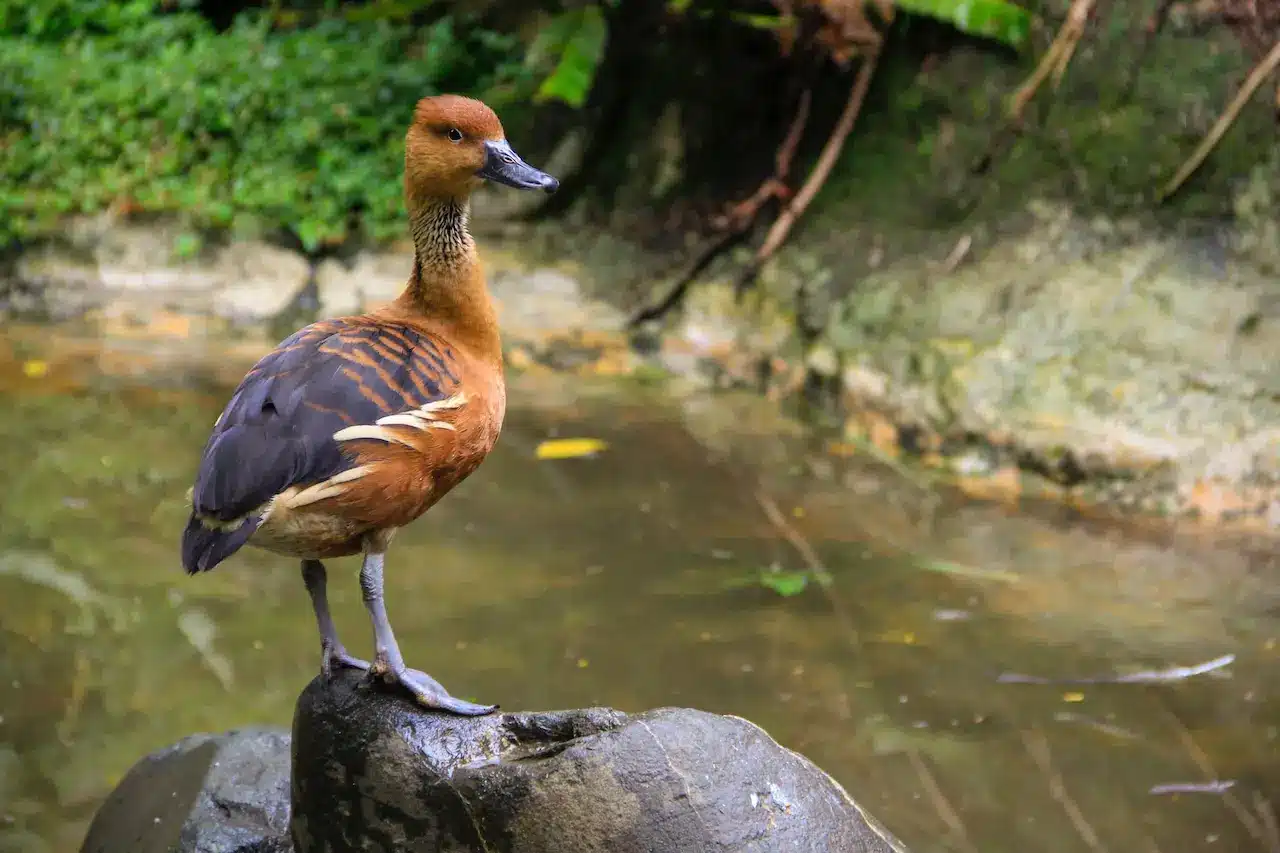
Ducks represent a diverse and widespread group of waterfowl that captivate birdwatchers, nature enthusiasts, and wildlife photographers alike. Belonging primarily to the family Anatidae, ducks play vital ecological roles in wetland ecosystems worldwide. From the dabbling mallards floating serenely on ponds to the diving canvasbacks plunging beneath the water’s surface, ducks exhibit a fascinating variety of forms, behaviors, and adaptations. This article explores the rich diversity of duck species, detailing their scientific classification, geographic distribution, physical characteristics, behaviors, reproductive strategies, and conservation concerns. Understanding these vibrant birds enhances appreciation for their ecological importance and the ongoing efforts to protect their habitats.
Scientific Classification
Ducks belong to the family Anatidae, which also includes geese and swans. Within this family, ducks are classified into several subfamilies and tribes, reflecting their diverse evolutionary history. The majority of duck species fall under the subfamily Anatinae, which encompasses the true ducks, including both dabbling and diving ducks. Dabbling ducks, such as the familiar mallard (Anas platyrhynchos), feed primarily at the water’s surface or on land, while diving ducks like the canvasback (Aythya valisineria) pursue food underwater.
Other distinct groups include the perching ducks (tribe Cairinini), such as the wood duck (Aix sponsa) and the mandarin duck (Aix galericulata), which are notable for their ability to perch and nest in trees. Shelducks (genus Tadorna) and whistling ducks (genus Dendrocygna) add further diversity to the duck family. Additionally, some species historically considered ducks, like the American coot (Fulica americana), belong to the rail family (Rallidae), highlighting the complexity of waterfowl taxonomy.





Domesticated ducks, such as the Pekin duck (Anas platyrhynchos domesticus), trace their lineage mainly to the wild mallard but exhibit significant morphological and behavioral differences due to selective breeding. Overall, the duck family comprises over 120 species across more than 40 genera, demonstrating extensive variation in size, plumage, habitat, and lifestyle.
Geographic Range & Distribution
Ducks inhabit every continent except Antarctica, thriving in a wide array of aquatic environments ranging from freshwater lakes and marshes to coastal bays, estuaries, and even fast-flowing rivers. Their global distribution reflects their adaptability to diverse climates and habitats.
North America boasts a rich variety of duck species, including the mallard, American black duck (Anas rubripes), and wood duck. The northern regions support numerous migratory species, such as the northern pintail (Anas acuta) and the lesser scaup (Aythya affinis), which breed in the boreal forests and tundra before wintering further south. In South America, species like the Brazilian teal (Amazonetta brasiliensis) and the rosy-billed pochard (Netta peposaca) inhabit wetlands across the continent.
Africa hosts unique species such as the African black duck (Anas sparsa), found along fast-flowing streams in eastern and southern Africa, and the white-faced whistling duck (Dendrocygna viduata), common around lakes and rivers. Asia is home to the mandarin duck, the falcated teal (Mareca falcata), and the critically endangered Baer’s pochard (Aythya baeri), primarily found in East Asia.
Australia supports a distinct assemblage of ducks, including the Pacific black duck (Anas superciliosa), the Australian wood duck (Chenonetta jubata), and the rare freckled duck (Stictonetta naevosa). The Pacific region also contains the unique Radjah shelduck (Radjah radjah) and the pink-eared duck (Malacorhynchus membranaceus).
Physical Description & Appearance
Ducks exhibit a remarkable range of sizes, colors, and body shapes, adapted to their habitats and lifestyles. Most species measure between 40 and 65 centimeters in length, with wingspans ranging from 60 to 90 centimeters. Weight can vary substantially, from the petite teal species weighing around 300 grams to the large steamer ducks, which can exceed 5 kilograms.
Male ducks, or drakes, often display vivid and elaborate plumage during the breeding season, characterized by iridescent feathers, striking patterns, and bright coloration. The mallard drake, for example, boasts an emerald green head, white neck ring, and chestnut breast, while the female sports mottled brown plumage that provides camouflage while nesting. This sexual dimorphism is common among many duck species and serves both to attract mates and reduce predation risk on nesting females.
Dabbling ducks typically have broad, flat bills suited for filtering vegetation and small invertebrates from the water’s surface. Diving ducks tend to have more compact bodies and stronger legs set further back on the body, adaptations that facilitate efficient diving and underwater foraging. Some species, like the long-tailed duck (Clangula hyemalis), exhibit dramatic seasonal plumage changes, with males developing striking long tail feathers and bold color contrasts during winter.
Specialized features include the pink bill of the pink-eared duck, the prominent whistling calls of the black-bellied whistling duck (Dendrocygna autumnalis), and the ornate crests seen in crested ducks (Lophonetta specularioides). These characteristics help identify species in the field and reflect their ecological niches.
Behavior & Diet
Ducks are generally gregarious birds, often forming flocks outside the breeding season. Their feeding behaviors align closely with their classification as dabbling or diving ducks. Dabbling ducks feed by tipping forward in shallow water to graze on aquatic plants, seeds, and insects, or by foraging on land for grains and invertebrates. Species such as the northern shoveler (Spatula clypeata) possess uniquely broad, spatula-shaped bills specialized for straining small crustaceans and plankton from the water.
Diving ducks are adept swimmers that forage underwater, feeding on mollusks, fish, aquatic insects, and plant material. The canvasback, for instance, dives to considerable depths to consume wild celery tubers and other submerged vegetation. Mergansers, a group of fish-eating diving ducks, have serrated bills that help them catch slippery prey efficiently.
Many ducks are migratory, undertaking long journeys between breeding and wintering grounds. Migration patterns vary widely: some species travel thousands of kilometers, while others remain resident year-round in suitable habitats. During migration, ducks often gather in large staging areas rich in food resources to build energy reserves.
Communication among ducks involves a variety of vocalizations, including quacks, whistles, and grunts, which serve to maintain flock cohesion, signal alarm, or attract mates. The black-bellied whistling duck is notable for its distinctive whistling calls that carry over long distances. According to BirdLife International, this species is well documented.
Breeding & Reproduction
Ducks exhibit diverse reproductive strategies, but most engage in seasonal breeding aligned with environmental conditions that maximize offspring survival. Courtship displays are elaborate in many species, involving vocalizations, head-bobbing, wing-flapping, and colorful plumage exhibitions to attract mates. The mandarin duck is particularly renowned for its intricate courtship rituals and spectacular male plumage. According to eBird, this species is well documented.
Nesting sites vary among species. Many dabbling ducks nest on the ground, concealed in dense vegetation near water. In contrast, perching ducks such as wood ducks and mandarin ducks often nest in tree cavities, offering protection from predators. Some species, like the blue duck (Hymenolaimus malacorhynchos) of New Zealand, nest in hidden locations along fast-flowing streams.
Female ducks typically lay clutches ranging from six to twelve eggs, which are incubated for about 23 to 30 days depending on the species. Ducklings are precocial, hatching fully feathered and mobile, able to leave the nest and swim shortly after birth. Parental care is primarily provided by the female, who leads the ducklings to feeding areas and protects them from danger.
Hybridization occurs occasionally between closely related species, especially in areas where ranges overlap. For example, the mallard has hybridized with several native species worldwide, sometimes threatening genetic integrity.
Conservation Status
While many duck species maintain stable populations, several face significant threats from habitat loss, pollution, hunting, and climate change. According to the International Union for Conservation of Nature (IUCN), the status of duck species ranges from Least Concern to Critically Endangered.
The mallard and the northern pintail (Anas acuta) are considered Least Concern due to their widespread distribution and large populations. However, species like Baer’s pochard (Aythya baeri), native to East Asia, are Critically Endangered, suffering drastic declines from habitat degradation and hunting pressures. The pink-headed duck (Rhodonessa caryophyllacea) is likely extinct, with no confirmed sightings since the 1940s.
Wetland conservation plays a crucial role in protecting duck populations globally. Many countries have established protected areas and wildlife refuges that support breeding and migratory stopover habitats. International agreements, such as the Ramsar Convention on Wetlands, promote sustainable management of these vital ecosystems.
Additionally, responsible hunting regulations and captive breeding programs aid in sustaining certain species. Public awareness campaigns encourage habitat preservation and mitigate human impacts, ensuring that future generations continue to enjoy the diversity and beauty of ducks.
Interesting Facts
Ducks display a variety of fascinating adaptations and behaviors that intrigue observers. One remarkable feature is the waterproofing of their feathers, maintained through preening with oil from a gland near the tail, which enables them to stay dry and buoyant.
The “dabbling” feeding technique, where ducks tip forward to forage without fully submerging, is not only energy-efficient but also helps aerate aquatic plants and distribute seeds, contributing to wetland health. Some species, like the northern shoveler, have comb-like lamellae on their bills that act as filters to trap tiny food particles.
Many ducks engage in spectacular migrations, with the long-tailed duck journeying between Arctic breeding grounds and temperate coastal waters. Their endurance and navigational abilities inspire awe and highlight the interconnectedness of global ecosystems.
Breeding plumage often involves striking color changes; the male mallard’s green head and glossy feathers fade into more subdued tones during the non-breeding season to reduce visibility to predators. In contrast, female ducks maintain cryptic coloration year-round.
Finally, the domestication of ducks has produced numerous breeds prized for meat, eggs, and ornamental value, such as the Pekin and Khaki Campbell ducks. These domestic varieties continue to influence agriculture and culture worldwide.
In summary, ducks represent a captivating group of birds whose diversity encompasses a wide range of ecological roles, behaviors, and adaptations. Their presence enriches wetland ecosystems and human enjoyment alike, highlighting the importance of continued conservation efforts to safeguard their future.