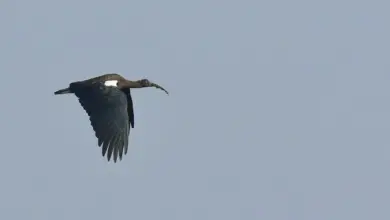
The genus Anser encompasses a fascinating group of birds commonly known as the **gray geese**, a diverse assemblage that includes some species often referred to as white geese. These waterfowl are widespread across the Northern Hemisphere and play important roles in their ecosystems as grazers and prey species. Although “gray geese” may imply a uniform coloration, the genus exhibits a range of plumage hues from various shades of gray to white, often accented with black flight feathers. Their sturdy bodies, distinctive bills, and social behaviors make them a favorite among birdwatchers and wildlife enthusiasts alike. This article explores the taxonomy, distribution, physical characteristics, behavior, breeding, and conservation of these remarkable birds.
Scientific Classification
The genus Anser belongs to the family Anatidae, which includes ducks, swans, and geese. It is primarily made up of medium to large-sized geese commonly referred to as gray geese, although the genus also includes species with white and brown plumage. The genus name Anser originates from Latin, meaning “goose.” Gray geese are closely related to the genus Branta, the so-called black geese, which generally have darker plumage and black legs and feet.
Within Anser, there are several well-recognized species and multiple subspecies. The **Greylag Goose** (Anser anser) is the largest and most widespread member, serving as the type species for the genus. It weighs between 2.5 and 4.1 kilograms (5.5 to 9 pounds) and has a wingspan of about 147 to 180 centimeters (58 to 71 inches). In contrast, the **Ross’s Goose** (Anser rossii), sometimes classified in the related genus Chen, is much smaller, typically weighing 1.2 to 1.6 kilograms (2.6 to 3.5 pounds) with a wingspan near 90 to 115 centimeters (35 to 45 inches).


Members of Anser share several morphological features, such as pink or orange legs and feet and bills that vary in color from pink to orange or black. Their plumage generally consists of gray or white feathers, with prominent black or dark flight feathers on their wings. Many species exhibit white under- and upper-tail coverts, and some have white markings on their heads. The genus Chen, sometimes considered separate, includes white geese like the Snow Goose (Anser caerulescens), which share many traits but are occasionally split taxonomically.
Geographic Range & Distribution
Gray geese within the genus Anser are native to the temperate and subarctic regions of the Northern Hemisphere, with species distributed throughout Europe, Asia, and North America. Their breeding and wintering ranges vary widely, often reflecting adaptations to climate and habitat availability.
The **Greylag Goose** (Anser anser) breeds across much of Europe and parts of Asia, including Iceland, Scandinavia, Finland, and eastern Russia. Populations migrate southward in winter, reaching the British Isles, southern Europe, and parts of central Asia. Subspecies such as the Western Greylag and Eastern Greylag show variations in range, with the Western Greylag predominantly found in Europe, while the Eastern Greylag extends into Asia Minor and western Siberia.
The **Bean Goose** (Anser fabalis) breeds in northern Scandinavia and Russia, with two main subspecies: the Taiga Bean-Goose and the Tundra Bean-Goose. The former breeds in forested taiga regions, while the latter occupies tundra habitats further north. Both migrate to winter in temperate Europe, including the British Isles, Germany, and the Netherlands.
Other notable species include the **Pink-footed Goose** (Anser brachyrhynchus), which breeds in Greenland, Iceland, and Spitsbergen and winters in the British Isles and northern Europe. The **Greater White-fronted Goose** (Anser albifrons) has a broad range from Arctic Europe and Asia to North America, with several subspecies adapting to different habitats. Its wintering range extends into Europe, the United States, and Japan. The **Lesser White-fronted Goose** (Anser erythropus) is a more northern breeder, found in northern Russia and occasionally in northern Europe, with wintering grounds further south in Europe and Asia.
In North America, the **Snow Goose** (Anser caerulescens) is widely distributed, breeding in Arctic Canada and Alaska and migrating south to the United States during winter. The species is known for its large flocks and significant ecological impact on tundra and agricultural habitats.
Physical Description
Gray geese of the genus Anser are robust, medium to large waterfowl with strong, muscular bodies adapted for long-distance flight and terrestrial grazing. Their lengths range from approximately 55 to 90 centimeters (22 to 35 inches), depending on the species, with wingspans generally between 90 and 180 centimeters (35 to 71 inches). Weight varies considerably, with the Greylag Goose among the heaviest, weighing up to 4.1 kilograms (9 pounds), while smaller species like the Ross’s Goose weigh around 1.2 kilograms (2.6 pounds).
Plumage colors are mostly shades of gray, with some species exhibiting white or brown tones. The Greylag Goose typically has pale gray-brown feathers with a lighter face and a characteristic orange-pink bill and legs. The Bean Goose has a browner hue with a more pronounced bill pattern featuring black and orange. The Pink-footed Goose is smaller, with pink feet (as the name suggests) and a shorter bill. White-fronted geese display a distinctive white patch at the base of the bill and dark barring on the belly.
Flight feathers are generally black or dark brown, providing contrast to the lighter body plumage. The white under- and upper-tail coverts are a consistent trait across the genus, aiding in identification during flight. Many species show sexual monomorphism, meaning males and females appear similar, although males are usually slightly larger.
Juvenile geese tend to have duller plumage and less distinct markings, gradually acquiring adult coloration as they mature. These features help the birds blend into their surroundings, particularly during vulnerable early life stages.
Behavior & Diet
Gray geese are highly social birds, often forming large flocks outside the breeding season. They are primarily herbivorous, feeding on grasses, sedges, roots, and grains. During migration and winter, geese frequently forage in agricultural fields, sometimes causing conflicts with farmers due to crop damage. Their strong bills are adapted for grazing and digging up vegetation.
These geese are diurnal, being most active during daylight hours. They often rest in groups near water bodies such as lakes, rivers, and wetlands, which provide safety and roosting sites. Flight is strong and direct, characterized by long, powerful wingbeats and distinctive V-formation flying patterns during migration. This formation reduces wind resistance and conserves energy for long-distance travel.
Vocal communication is an important part of their behavior. Gray geese produce a variety of honks and calls used for maintaining flock cohesion, signaling danger, and during courtship. They are known for their loud, resonant calls, which carry over long distances.
During the breeding season, territoriality increases, and pairs become highly protective of their nesting sites. Outside the breeding season, geese are more tolerant of conspecifics, forming mixed-species flocks in some cases.
Breeding & Reproduction
Gray geese exhibit strong pair bonds, often forming monogamous relationships that can last for several breeding seasons or even for life. Breeding typically occurs in spring and early summer, timed to coincide with the availability of abundant food and optimal weather conditions in their northern breeding grounds. According to RSPB, this species is well documented.
Nests are usually constructed on the ground near water, hidden among vegetation such as reeds or grasses to provide camouflage from predators. The female is primarily responsible for building the nest, which is a shallow depression lined with down feathers plucked from her own body. According to eBird, this species is well documented.
Clutch size varies among species but generally ranges from three to nine eggs. The eggs are pale greenish or buff-colored and measure about 70 by 45 millimeters (2.8 by 1.8 inches). Incubation lasts approximately 25 to 30 days and is undertaken almost exclusively by the female, while the male guards the territory.
After hatching, goslings are precocial — they leave the nest within hours and are capable of swimming and feeding themselves under parental supervision. Both parents play a protective role, leading the young to feeding areas and defending them from predators. Goslings fledge at around 8 to 10 weeks of age but may remain with their parents for several months.
Reproductive success depends on factors such as food availability, predation pressure, and weather conditions. In some species, population dynamics fluctuate widely due to these environmental variables.
Conservation Status
The conservation status of gray geese varies by species and region. Many populations are currently stable or increasing, thanks in part to effective wildlife management and habitat protection. According to the International Union for Conservation of Nature (IUCN), the Greylag Goose (Anser anser) is classified as Least Concern, reflecting its widespread and abundant population.
Similarly, the Bean Goose (Anser fabalis) and Pink-footed Goose (Anser brachyrhynchus) also enjoy stable populations, although habitat loss and hunting pressure remain localized threats. The Greater White-fronted Goose (Anser albifrons) is widespread and not currently at risk, but some subspecies with restricted ranges are monitored closely.
In contrast, the Lesser White-fronted Goose (Anser erythropus) faces significant conservation challenges. It is considered Vulnerable by the IUCN due to habitat degradation, hunting, and disturbance on breeding and wintering grounds. International conservation efforts focus on habitat restoration, protection of key sites, and reducing hunting pressure.
Snow Goose (Anser caerulescens) populations have expanded dramatically in recent decades, sometimes causing ecological concerns due to overgrazing in Arctic breeding areas. This illustrates the complex relationship between wildlife conservation and ecosystem balance.
Overall, gray geese benefit from international agreements such as the Ramsar Convention on Wetlands and migratory bird treaties that promote habitat conservation and sustainable management across their migratory routes.
Interesting Facts
Gray geese have captivated humans for centuries, appearing in folklore, mythology, and even agriculture. Their migratory journeys are among the most impressive in the bird world, with some species traveling thousands of kilometers between breeding and wintering grounds.
One remarkable behavior is their formation flying in a V-shape, which reduces wind resistance and conserves energy, allowing flocks to cover vast distances efficiently. This aerodynamic strategy is studied by scientists and engineers alike for applications in aviation.
In addition to their ecological roles as grazers and prey, gray geese contribute to nutrient cycling in wetland ecosystems through their droppings and foraging activities. They also help shape plant communities by selective feeding.
Several species of gray geese have been domesticated or influenced domestic geese breeds, most notably the Greylag Goose, which is the ancestor of many domestic varieties. This connection highlights the close relationship between humans and these birds.
During migration, geese often congregate in vast numbers at staging areas, providing spectacular wildlife viewing opportunities. These gatherings also make them vulnerable to habitat loss and hunting, underscoring the importance of conserving critical stopover sites.
Finally, gray geese exhibit impressive longevity for wild birds, with some individuals living over 20 years in the wild, showcasing their resilience and adaptability.
In conclusion, the genus Anser represents a diverse and ecologically significant group of waterfowl. Their varied appearances, widespread distribution, complex behaviors, and interactions with humans make them a compelling subject for study and appreciation. Continued conservation efforts are essential to ensure these iconic birds thrive in a rapidly changing world, maintaining their vital roles in wetland ecosystems and enriching the natural heritage of the Northern Hemisphere.