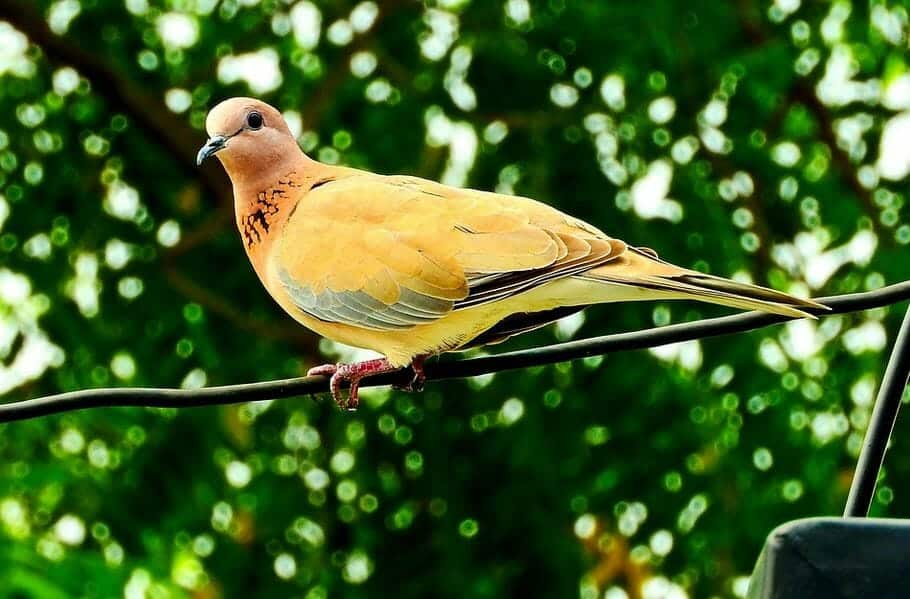
The Charming Hummingbird, also known as the Beryl-crowned Hummingbird, is a striking and relatively elusive species native to Central America. Recognized scientifically as Amazilia decora, this small bird captivates birdwatchers and nature enthusiasts alike with its vivid coloration and delicate flight. It inhabits a narrow range along the Pacific coast of Costa Rica and Panama, favoring forest edges, gardens, and plantations. Despite its limited distribution, the Charming Hummingbird plays an important role in the ecosystems it inhabits, contributing to pollination and adding to the rich biodiversity of neotropical habitats.
Scientific Classification
The Charming Hummingbird belongs to the family Trochilidae, which encompasses all hummingbirds, a diverse group of small, nectar-feeding birds native to the Americas. Its scientific name is Amazilia decora, although taxonomic revisions have at times placed it within the genus Polyerata. Some ornithologists debate whether A. decora is a distinct species or conspecific with the Blue-chested Hummingbird (Amazilia amabilis), given their similar plumage and overlapping ranges on the Caribbean slope. However, most authorities currently recognize the Charming Hummingbird as a separate species due to differences in bill shape, vocalizations, and habitat preferences.
Within its genus, Amazilia species are known for their iridescent feathers and territorial behavior. The name “Amazilia” is derived from a character in a French novel, reflecting the bird’s enchanting appearance. The Charming Hummingbird’s species epithet, decora, translates to “beautiful” or “charming,” aptly describing its vivid plumage and graceful demeanor. Common names vary globally; for example, in Spanish it is called “Amazilia corona de berilo,” while in French it is referred to as “Ariane à front brillant.” These multiple names underscore the bird’s wide recognition among local communities and bird enthusiasts.






Geographic Range & Distribution
The Charming Hummingbird is native to the Pacific lowlands of southern Costa Rica and the adjoining areas of western Panama. Its range extends from approximately the Carara region in Costa Rica southward through the Darien province of Panama. This species prefers subtropical or tropical moist lowland forests, often thriving in secondary growth, forest edges, and even human-altered environments such as coffee plantations and gardens. Its adaptability to these habitats allows it to persist despite ongoing habitat changes in the region.
Within its range, the Charming Hummingbird frequents elevations from sea level up to around 800 meters (2,600 feet), usually avoiding dense primary rainforest interiors. It favors areas where flowering plants are abundant, especially along riparian zones and forest clearings. Although its range is relatively restricted compared to some hummingbird species, local populations can be quite dense where suitable habitat exists. Seasonal movements are not well documented, but the species is largely considered sedentary, maintaining territories year-round within its preferred habitats.
Physical Description
The Charming Hummingbird is a small, elegant bird, typically measuring about 9 to 10 centimeters (3.5 to 4 inches) in length, with a wingspan of approximately 11 to 12 centimeters (4.3 to 4.7 inches). Adults weigh between 4 and 5 grams, placing them among the lighter members of the hummingbird family. This species is notable for its striking coloration: the males display a vivid violet-blue chest and throat patch, contrasting with their iridescent green upperparts and beryl-colored crown feathers, which give the bird its common name.
Females and immature birds tend to have duller plumage, with a greener chest and less iridescence on the crown. The bill is relatively straight and medium-length, typically black with a slight reddish base on the lower mandible, which helps distinguish it from closely related species like the Mangrove Hummingbird (Amazilia boucardi) that has a more curved bill and different throat coloration. The tail is slightly forked, with green feathers edged in dark tones. The overall plumage shimmer varies with light angles due to the microscopic structure of the feathers, a hallmark of hummingbirds that contributes to their jewel-like appearance.
Behavior & Diet
The Charming Hummingbird exhibits typical hummingbird behaviors, characterized by rapid wing beats that produce a humming sound and remarkable agility in flight. It is primarily territorial, defending rich nectar sources vigorously from rivals and other hummingbirds. Males are often seen perched conspicuously while surveying their feeding territory. The species is a versatile feeder, consuming nectar from a wide variety of native flowering plants, including heliconias, guava trees, and coffee blossoms, which are abundant in its habitat.
In addition to nectar, the Charming Hummingbird supplements its diet with small insects and spiders, providing essential protein for energy and growth. It captures these arthropods through hawking—aerial sallies to snatch prey mid-flight—or by gleaning from leaves and flowers. This mixed diet supports the bird’s high metabolism and energetic hovering flight. The species is most active during daylight hours, making frequent visits to flowers for nectar and displaying dynamic foraging behavior.
Breeding & Reproduction
Breeding in the Charming Hummingbird occurs primarily outside the driest months of the year, with the most active period spanning from late rainy season into the dry season. Males engage in lekking behavior, where up to a dozen individuals gather in communal display areas known as leks. Here, they perform elaborate aerial dances and vocalizations to attract females. These displays involve rapid wing beats, hovering, and flashing their iridescent plumage to catch the attention of potential mates. According to RSPB, this species is well documented.
After mating, the female assumes full responsibility for nest building and chick rearing. She constructs a delicate, cup-shaped nest primarily from plant fibers, spider silk, moss, and lichen, which provide both strength and camouflage. The nest is typically placed on a thin horizontal branch or shrub, usually 1 to 3 meters above the ground in a sheltered spot to protect from predators and weather. Spider webbing allows the nest to stretch as the chicks grow, a common adaptation among hummingbirds. According to eBird, this species is well documented.
The female lays a clutch of two tiny white eggs, each measuring approximately 12 millimeters long. She incubates the eggs alone for about 15 to 18 days until they hatch. Hatchlings emerge blind, naked, and helpless, relying entirely on their mother for warmth and nourishment. The female feeds them regurgitated nectar and insects, continuing care for another three weeks until the fledglings are strong enough to leave the nest. During this period, the female remains highly protective, defending the nest from intruders.
Conservation Status
The International Union for Conservation of Nature (IUCN) currently lists the Charming Hummingbird as a species of Least Concern, reflecting a relatively stable population within its restricted range. However, this status does not imply immunity from threats. Habitat loss due to deforestation, agricultural expansion, and urban development in Costa Rica and Panama poses ongoing risks. The bird’s dependence on forest edges and secondary woodlands makes it somewhat resilient, but large-scale habitat degradation could lead to population declines.
Conservation efforts in the region, including protected areas like Carara National Park in Costa Rica, provide vital refuges that help sustain local populations. Additionally, the Charming Hummingbird’s presence in coffee plantations suggests it can coexist with certain types of sustainable agriculture when native vegetation is preserved. Monitoring the species’ status and promoting habitat-friendly farming practices will be essential to ensure its long-term survival. Its role as a pollinator also highlights its ecological importance beyond mere species counts.
Interesting Facts
One fascinating aspect of the Charming Hummingbird is its lekking behavior, which is relatively uncommon among hummingbirds. These communal courtship displays offer a rare glimpse into the complex social interactions of these tiny birds. During leks, the vibrant males produce a chorus of chirps and buzzes, often synchronized with their acrobatic flights, creating a spectacular natural performance for observers lucky enough to witness it.
Another intriguing feature is the elasticity of the nest. Thanks to spider silk integration, the nest can expand to accommodate growing chicks, a remarkable evolutionary adaptation that balances protection and flexibility. This unique nest structure reduces the need for the female to frequently rebuild or relocate the nest, conserving energy during the demanding breeding season.
Moreover, the Charming Hummingbird’s iridescent crown feathers can appear to change color depending on the angle of sunlight, shifting from green to a brilliant beryl shade. This optical effect results from the microscopic arrangement of feather barbules that manipulate light, a common but mesmerizing trait among hummingbirds. This shimmer not only aids in courtship but may also play a role in territorial signaling.
In summary, the Charming Hummingbird (Amazilia decora) is a jewel of Central America’s Pacific lowlands, combining stunning beauty, fascinating behavior, and ecological importance. Its vivid iridescence, agile flight, and intricate breeding habits make it a favorite among birdwatchers and researchers alike. While currently stable, ongoing conservation efforts remain vital to preserving the habitats that sustain this enchanting species for future generations to admire and study.